
Leonhard Florian Seidl
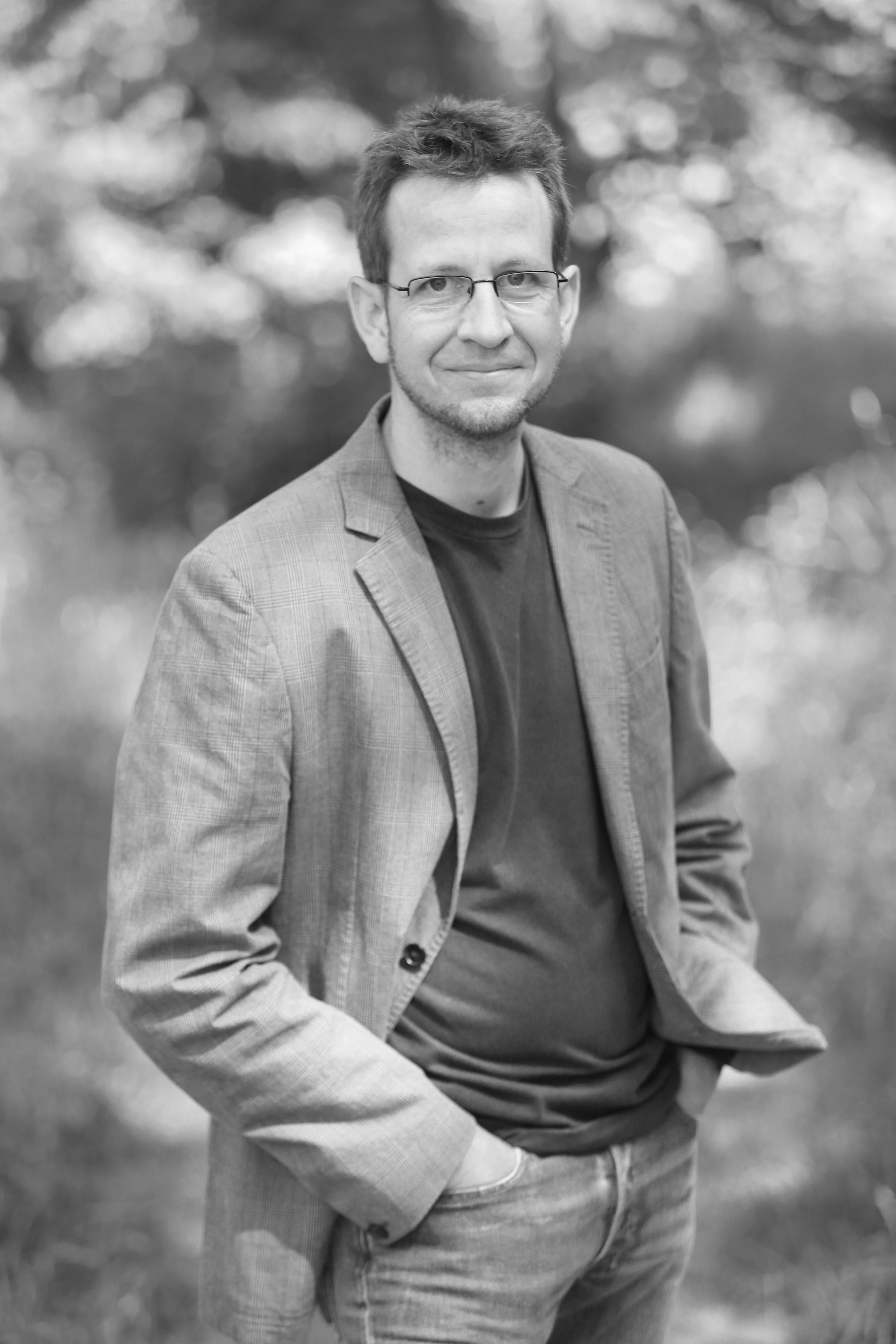
Image from Wikipedia
Image from Wikipedia
Leonhard Florian Seidl – literary energy, political awareness, and principled nature writing
An author between storytelling, intervening, and observing
Leonhard Florian Seidl, born in 1976 in Munich, is one of the prominent voices in contemporary literature in Bavaria. His work combines social analysis, criminal suspense, and nature writing into a distinct literary style that never settles for mere surface. He works as a writer, journalist, editor, moderator, organizer, lecturer in creative writing, and social educator. ([de.wikipedia.org](https://de.wikipedia.org/wiki/Leonhard_Florian_Seidl))
Biographical roots and professional influence
Seidl grew up in Isen, Upper Bavaria, and initially began his professional path in nursing before studying social pedagogy. Later, he worked in elder and health care and developed a keen, empathetic observational skill for social realities that continues to shape his prose today. His training and practice in the social field form the foundation of a literature that does not abstract people but instead portrays them in their conflicts, environments, and political tensions. ([literaturportal-bayern.de](https://www.literaturportal-bayern.de/autorenlexikon?pnd=1014423228&task=lpbauthor.default))
Additionally, Seidl deepened his literary profile through studies and further training in literary writing and modern German literary studies, focusing on nature writing, among other topics. This combination of social experience and aesthetic reflection makes his texts particularly resilient: they are not only engaged but also formally consciously crafted. This lies at the core of his authority as a contemporary author. ([textartelier.de](https://www.textartelier.de/leben/))
The literary breakthrough: from early novels to a clear stance
Seidl's debut novel Mutterkorn was published in 2011, marking a clear thematic line early on: right-wing violence, youth culture, social fractures, and political radicalization. The novel was later reissued, underscoring its lasting presence in the literary field. Even with this early work, Seidl showed that he does not shy away from the dark zones of the present but takes them seriously as literary material. ([de.wikipedia.org](https://de.wikipedia.org/wiki/Leonhard_Florian_Seidl))
This was followed by Genagelt and Viecher, before Fronten reached a new level in 2017. The novel is inspired by a true case from 1988 in the Upper Bavarian village of Dorfen and was dramatized and premiered in Fürth in 2019. This development showcases Seidl's ability to transform real conflicts into a dense narrative form without diminishing the political core. ([literaturportal-bayern.de](https://www.literaturportal-bayern.de/autorenlexikon?pnd=1014423228&task=lpbauthor.default))
Social critique as literary dramaturgy
Seidl's work thrives on the connection between suspense and analysis. His texts revolve around right-wing extremism, Reichsbürger ideology, anarchy, images of home, democratic responsibility, and the question of how societies tip into language, rituals, and silence. In sources, his writing is repeatedly described as engaged, formally ambitious, and as a "literary early warning system." This accurately captures the tone of his books: they aim not to calm but to draw attention. ([literaturportal-bayern.de](https://www.literaturportal-bayern.de/autorenlexikon?pnd=1014423228&task=lpbauthor.default))
In addition, Seidl is widely active in journalism. He has written for publications such as taz, Süddeutsche Zeitung, the Wednesday series of Fürther Nachrichten, and other newspapers and literary magazines. This journalistic presence significantly boosts his authority far beyond his novels, demonstrating that he engages with societal debates not only in a literary way but also in an essayistic and journalistic manner. ([kulturmaschinen.com](https://kulturmaschinen.com/autorinnen/leo-seidl/))
Nature Writing, landscape, and the quiet power of observation
In recent years, Seidl has sharpened his profile as a nature writer. In 2025, Beim Anschüren des Eisvogels. Nature Writing oder vom Schreiben aus dem Gelände was released, a volume that reflects his literary work rooted in landscape, residences, and direct experiences with nature. The texts connect personal experiences with poetic narratives and a sensitive perception of place, time, and memory. ([de.wikipedia.org](https://de.wikipedia.org/wiki/Leonhard_Florian_Seidl))
His nature writing did not emerge in a vacuum but stemmed from residencies and scholarships, such as in Thayatal/Podyjí, Ventspils, Abenberg, Rothenburg ob der Tauber, and in the Gesäuse National Park. These stages illustrate an artistic development that does not lead away from political literature but instead expands it to include ecological and landscape dimensions. Seidl does not read nature romantically but as a space of experience where history, language, and the present intertwine. ([kulturmaschinen.com](https://kulturmaschinen.com/autorinnen/leo-seidl/))
Discography, work overview, and artistic breadth
Even though Leonhard Florian Seidl is not a musician, his work possesses a relevant "work dramaturgy" for author profiles, resembling a discography in its clarity. His central publications include Mutterkorn (2011), Genagelt (2014), Viecher (2015), Fronten (2017), Der falsche Schah (2020), Vom Untergang (2022), the travel guide 111 Orte in der Frankenhöhe, die man gesehen haben muss (2023), and Beim Anschüren des Eisvogels (2025). Additionally, there are editions, essays, short prose, audioplay adaptations, and a libretto. ([de.wikipedia.org](https://de.wikipedia.org/wiki/Leonhard_Florian_Seidl))
This diversity is part of his artistic profile. Seidl works not only as a novelist but also as an editor and essayist, for example with Fritz Oerter: Lebenslinien or Literatur und ökologische Praxis. His literature thus moves between narrative form, political sharpness, and cultural-historical contextualization. This versatility makes him particularly exciting for literature enthusiasts, cultural critics, and readers who appreciate social friction. ([de.wikipedia.org](https://de.wikipedia.org/wiki/Leonhard_Florian_Seidl))
Critical reception and awards
Seidl has received numerous awards for his work. Some key highlights include the Hans Lienhardt Literature Prize, the Literature Prize of the Buchmesse im Ried, the Hermann-Kesten Scholarship, the Culture Prize of the City of Fürth, and the support scholarship from the Free State of Bavaria. In addition, he has held fellowships at various literary houses and residency programs, further solidifying his position in the literary scene. ([de.wikipedia.org](https://de.wikipedia.org/wiki/Leonhard_Florian_Seidl))
Reception particularly emphasizes his connection between linguistic precision and social sharpness. A central judgment regarding the award in Fürth describes his novels as linguistically and formally ambitious and highlights his importance as a voice of contemporary literature. Individual press comments also emphasize how convincingly Seidl intertwines social and political tones with narrative movement. ([textartelier.de](https://www.textartelier.de/leben/))
Public influence, engagement, and cultural impact
Seidl is not only an author but also politically active in cultural matters. He has been involved in associations, served as the deputy chair of the VS in Middle Franconia, later as the chair of the VS Middle Franconia, and from February 2026, as the chair of the Association of German Writers in Bavaria. Moreover, he is a member of PEN-Zentrum Deutschland, PEN Berlin, the author group Wortwerk, and the New Society for Literature Erlangen. These networks firmly anchor him in the literary public sphere. ([de.wikipedia.org](https://de.wikipedia.org/wiki/Leonhard_Florian_Seidl))
His cultural influence is further reflected in the thematic consistency of his work. Whether it is about right-wing violence, home, resistance, ecological practice, or nature writing: Seidl writes literature that not only accompanies debates but often drives them forward. This is where his uniqueness lies as an author with a clear stance and high aesthetic control. ([de.wikipedia.org](https://de.wikipedia.org/wiki/Leonhard_Florian_Seidl))
Conclusion: An author with presence, depth, and literary significance
Leonhard Florian Seidl is an author who does not merely illustrate the present but dissects it. His texts intertwine social awareness, formal discipline, and a remarkable closeness to real conflicts. Those seeking German-speaking literature that combines suspense, critique, and poetic precision will find in Seidl one of the most compelling voices of his generation. A live reading appointment or event with him promises not only literature but intellectual friction and lasting impressions. ([kulturmaschinen.com](https://kulturmaschinen.com/autorinnen/leo-seidl/))
Official channels of Leonhard Florian Seidl:
- Instagram: https://www.instagram.com/leonhard.f.seidl/?hl=de
- Facebook: https://www.facebook.com/people/Leonhard-F-Seidl/100000512691543
- YouTube: no official profile found
- Spotify: no official profile found
- TikTok: no official profile found
Sources:
- Wikipedia – Leonhard Florian Seidl
- Textartelier – Life / Vita of Leonhard F. Seidl
- Kulturmaschinen Publishing – Leonhard F. Seidl
- Literaturportal Bayern – Leonhard F. Seidl
- Sonntagsblatt – Between Kingfisher and Resistance: The Writer Leonhard F. Seidl
- ORF Ö1 – Nature Writing: Nature to Revisit
- Verbrecher Verlag – Leonhard F. Seidl