
Julian Prégardien
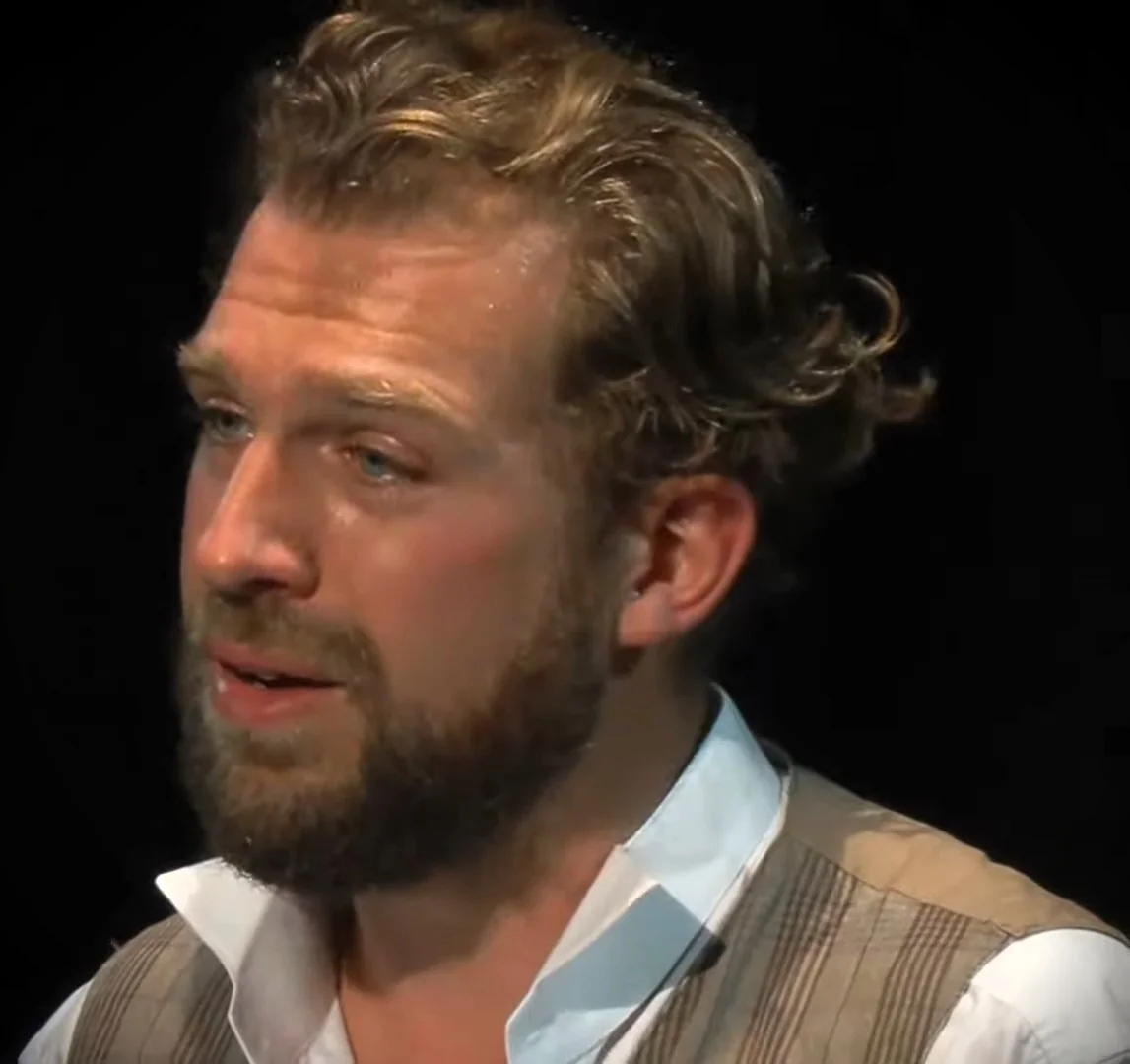
Image from Wikipedia
Image from Wikipedia
Julian Prégardien: The Lyrical Tenor between Bach, Schubert, and the Art of Song
An Artist Portrait that Unites Opera, Concert, and Song at the Highest Level
Julian Prégardien is one of the most distinctive German tenors of his generation, having established himself as a lyrical tenor with a particular brilliance in concert and song settings. Born on July 12, 1984, in Frankfurt am Main, he grew up in a musically influenced environment and developed an early affinity for choral tradition, vocal culture, and historically informed performance practice. His artistic profile combines stylistic finesse, text-oriented interpretation, and a stage presence that is especially compelling in interpretations of Bach and Schubert. ([en.wikipedia.org](https://en.wikipedia.org/wiki/Julian_Pr%C3%A9gardien?utm_source=openai))
Musical Roots and Education
Prégardien comes from a musical family; his father, Christoph Prégardien, is a renowned tenor himself, and this familial influence forms an important resonance space for his development. Growing up in Limburg, he initially sang with the Limburger Domsingknaben and gained early experience in ensemble culture, precise intonation, and vocal discipline. Before studying at the Freiburg University of Music from 2005 to 2009 under Reginaldo Pinheiro, he was already involved in ensembles such as Collegium Vocale Gent and the Stuttgart Chamber Choir. ([en.wikipedia.org](https://en.wikipedia.org/wiki/Julian_Pr%C3%A9gardien?utm_source=openai))
This early connection between choral experience and professional soloist work continues to shape his music career today. Those who listen to Prégardien experience a singer who does not rely solely on pure sound beauty but emphasizes linguistic interpretation, musical architecture, and transparent line performance. Particularly in classical vocal music, this approach grants him an authority derived from education, repertoire knowledge, and stylistic confidence. ([machreich-artists.com](https://www.machreich-artists.com/en/artist/julian-pregardien?utm_source=openai))
Career Beginnings and Artistic Breakthrough
Early stages of his career included operatic and concert appearances within the realm of historically informed performance practice. In 2008, he appeared as Varo in Gluck's Ezio at the Theater an der Wien; that same year, he took on the role of Nencio in Haydn's L’infedeltà delusa in a touring production for the Festival d’Aix-en-Provence. These performances marked a career beginning not through quick mainstream success but through precise role choices and musical credibility. ([en.wikipedia.org](https://en.wikipedia.org/wiki/Julian_Pr%C3%A9gardien?utm_source=openai))
His profile quickly sharpened in the interplay of opera, oratorio, and song. On the opera stage, he has been seen at important venues and festivals, including the Salzburg Festival, the Bavarian State Opera, the Festival d’Aix-en-Provence, and the Opéra Comique in Paris. He made his debut in Salzburg in 2018 as Narraboth in Strauss’ Salome, followed by other Mozart and Strauss roles that showcase his ability to infuse youthful tenor roles with sonic elegance and dramatic concentration. ([machreich-artists.com](https://www.machreich-artists.com/en/artist/julian-pregardien?utm_source=openai))
Bach, Schubert, and the Great Art of Song
Julian Prégardien is particularly well-anchored in the major spiritual works of Johann Sebastian Bach. He is regarded as a sought-after interpreter of the evangelist in the passions and has made a name for himself internationally in this role. His collaborations with ensembles such as Collegium Vocale Gent, Pygmalion, and the Gewandhaus Orchestra underscore how consistently he connects historically informed sound ideas with expressive narrative power. ([en.wikipedia.org](https://en.wikipedia.org/wiki/Julian_Prégardien?utm_source=openai))
In song performance, he develops a personal artistic signature. Schubert is not merely repertoire for him but the aesthetic focus: in 2023, he dedicated a noteworthy concert series in Vienna to the 200th anniversary of Die schöne Müllerin, which later evolved into the festival "Liedstadt." This project reflects Prégardien's interest in bringing art song out of the niche and transforming it into new, vibrant performance formats. ([machreich-artists.com](https://www.machreich-artists.com/en/artist/julian-pregardien?utm_source=openai))
Discography: A Repertoire from Schubert to Bach
Prégardien's discography presents a clear artistic profile: song, oratorio, and chamber music form the center, not spectacular opera events. According to management and streaming catalogs, Winterreise, Schwanengesang, and Schumann's Dichterliebe are among his significant releases; in addition, there are recordings of Bach passions and Mozart repertoire. His debut album An die Geliebte was released in 2014, followed by further recordings that document his preference for poetically condensed formats. ([machreich-artists.com](https://www.machreich-artists.com/en/artist/julian-pregardien?utm_source=openai))
Especially significant is his collaboration with renowned partners such as Sandrine Piau, Eric Le Sage, Kristian Bezuidenhout, Raphaël Pichon, and the Pygmalion Ensemble. The recording of Schubert's Die schöne Müllerin published by harmonia mundi in 2024 marks another highlight in his development, as it encapsulates song interpretation, historical sound aesthetics, and dramatic precision in a compact space. Thus, Prégardien's repertoire is not only extensive but also consistently curated. ([machreich-artists.com](https://www.machreich-artists.com/en/artist/julian-pregardien?utm_source=openai))
Current Projects and Artistic Present
In the 2025/26 season, Julian Prégardien will perform as Artist in Residence at the Wiener Konzerthaus, featuring his own programs under the title Schubert für alle. His current projects include recitals with Sir András Schiff, concerts with the Vienna Symphony and RSO Vienna, as well as further appearances with the Camerata Salzburg, the Balthasar Neumann Ensemble, and the Gewandhaus Orchestra. This dense schedule confirms his status as a sought-after concert artist with a wide stylistic range. ([machreich-artists.com](https://www.machreich-artists.com/en/artist/julian-pregardien?utm_source=openai))
In 2025, he returned to the Salzburg Festival, among other events in a semi-staged production of Zaide oder der Weg des Lichts. Meanwhile, song recitals and chamber music projects remain a core aspect of his work, as does the engagement with Schubert, Bach, Beethoven, and Mahler. This illustrates a music career that does not think in isolated events but in long-term artistic lines. ([machreich-artists.com](https://machreich-artists.com/de/kuenstler_in/julian-pregardien?utm_source=openai))
Style, Reception, and Cultural Influence
His artistic development represents a new generation of tenors who treat song not as a minor subject but as a central place of musical reflection. Critical portraits and management biographies describe him as a leading voice of his generation, particularly in the fields of Bach and Schubert. The combination of vocal clarity, emotional intelligence, and historically informed interpretation makes him interesting to music press, promoters, and audiences alike. ([machreich-artists.com](https://www.machreich-artists.com/en/artist/julian-pregardien?utm_source=openai))
Culturally, Prégardien also acts as a mediator: he brings art song into new formats, expands the reception spaces of classical vocal music, and connects concert halls, festivals, and educational work. As a professor at the University of Music and Theatre Munich since 2017, as well as a long-time interpreter connected to academic and artistic institutions, he embodies expertise not only on stage but also in imparting knowledge. This dual role as a singer and creative figure strengthens his authority in the classical music scene. ([machreich-artists.com](https://www.machreich-artists.com/en/artist/julian-pregardien?utm_source=openai))
Conclusion: A Tenor with Substance, Depth, and Presence
Julian Prégardien impresses because he uniquely combines technical sovereignty, textual accuracy, and musical intelligence. His repertoire ranges from Bach to Schubert to Mozart, but his true strength lies in the intensity with which he shapes each phrase and gives every work an inner dramaturgy. Those who experience him live hear not a decorative tenor but an artist who reinvigorates classical song and significant vocal music with contemporary presence. ([machreich-artists.com](https://www.machreich-artists.com/en/artist/julian-pregardien?utm_source=openai))
His artistic career demonstrates how vibrant classical music can be when interpretation, repertoire, and communication converge at the highest level. Especially in concert and song evenings, the full depth of his music career unfolds, making a live experience with Julian Prégardien exceptionally rewarding for lovers of high-caliber vocal art. ([machreich-artists.com](https://www.machreich-artists.com/en/artist/julian-pregardien?utm_source=openai))
Official Channels of Julian Prégardien:
- Instagram: No official profile found
- Facebook: No official profile found
- YouTube: No official profile found
- Spotify: No official profile found
- TikTok: No official profile found
Sources:
- Julian Prégardien - Official Website
- Machreich Artists Management - Julian Prégardien Biography
- Machreich Artists Management - Julian Prégardien Biography in German
- Machreich Artists Management - Artist in Residence 25-26 at the Wiener Konzerthaus
- Machreich Artists Management - New Album on Harmonia Mundi
- Machreich Artists Management - Liedstadt Festival
- Wikipedia - Julian Prégardien
- Apple Music - Julian Prégardien
- Konzerthaus Dortmund - Media Library Julian Prégardien
- University of Music and Theatre Munich - Prof. Julian Prégardien
Upcoming Events
Concert: Prégardien Father & Son – Christoph & Julian Prégardien, Michael Gees
Schumannfest 2026: Christoph & Julian Prégardien
Song Evening Christoph & Julian Prégardien
Christoph & Julian Prégardien – Opening Concert Schumannfest
Song Evening Christoph & Julian Prégardien
Schumannfest 2026: Homelands
Schumannfest 2026: Christoph & Julian Prégardien
LIEDSTADT - FINAL CONCERT
Island Concerts - Chamber Music on Herrenchiemsee IV