
Helmfried von Lüttichau
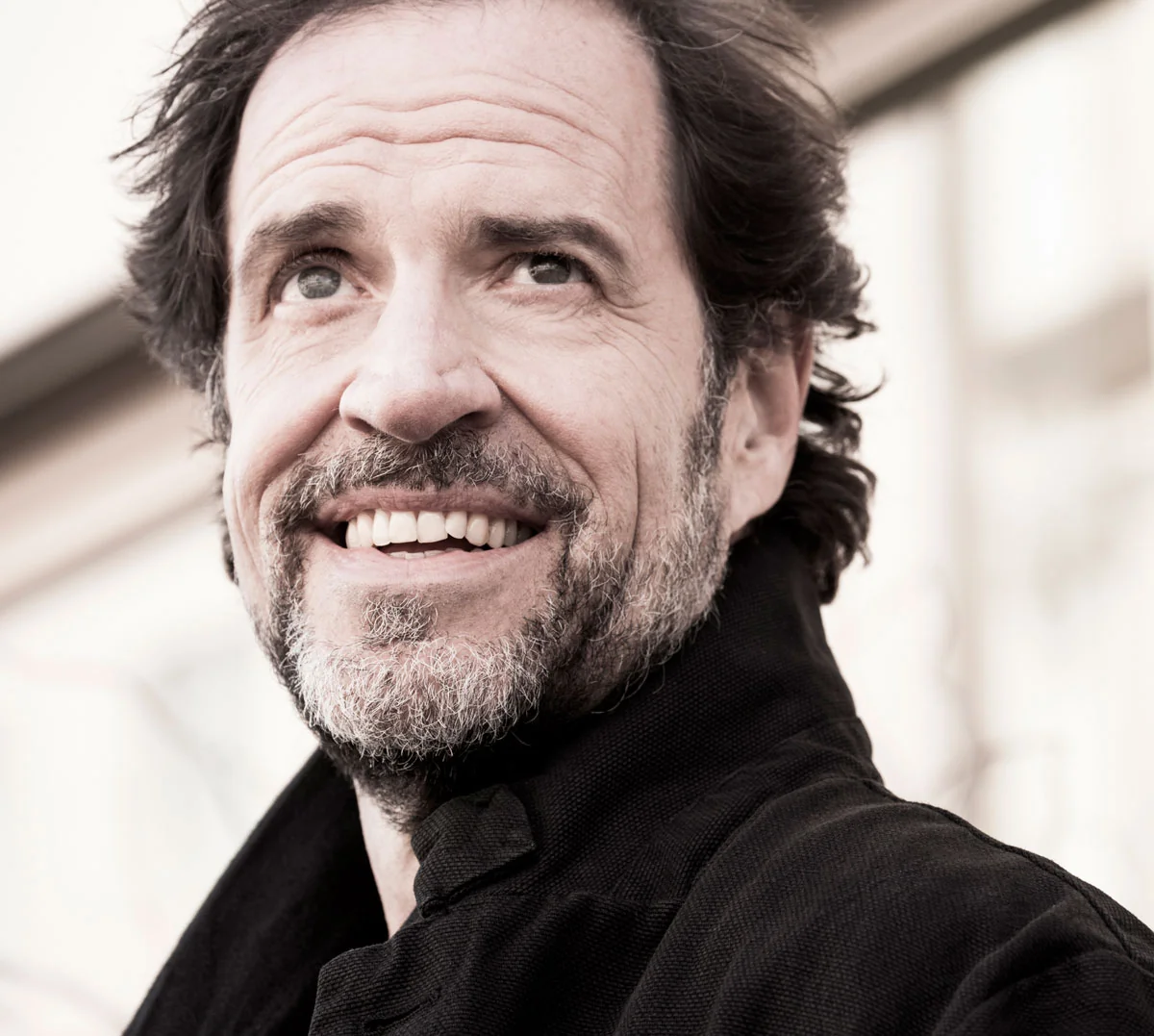
Image from Wikipedia
Image from Wikipedia
Helmfried von Lüttichau – Actor, Poet, Stage Artist: The Multifaceted Portrait of a Late Audience Favorite
Between Screen, Poetry, and Live Stage: Why Helmfried von Lüttichau Fascinates
Helmfried von Lüttichau represents a music career in the broader sense of the performing arts: an artistic development that condenses acting, language, rhythm, and timing into a distinctive stage presence. Born in Hannover in 1956, he shaped a whole generation of series with comedic finesse and laconic precision – as both a poet and solo artist he has honed his voice far beyond television. While many know him as Johannes "Hansi" Staller from the cult series "Hubert und Staller," his current work demonstrates how an experienced artist breaks genre barriers, rethinks formats, and convincingly engages both audience and press.
Early Years and Training: Craft Before Glamour
The artistic biography of Helmfried von Lüttichau begins at the Otto-Falckenberg-Schule in Munich, where he received the tools for a long music career within the scope of a performing arts career from 1977 to 1980. His first professional stops took him to renowned stages: Theater Wuppertal, Schauspiel Frankfurt, Freie Volksbühne Berlin, and particularly the Nationaltheater Mannheim shaped his repertoire in text work, role composition, and vocal projection. This school of the stage – precise timing, breath control, ensemble culture – later became the foundation of his distinctive performances in front of the camera.
From Ensemble to Screen Landscape: The Path to Television
Since the mid-1980s, the focus shifted towards film and television productions. Lüttichau established himself in series and TV films without completely leaving stage work behind. His artistic development here shows a seasoned transition between role profiles: ironically flawed authority figures, quirky protagonists, slyly obstinate characters. In productions like "Der letzte Bulle," "Alles was recht ist," "München Mord," or "Der Beischläfer," he demonstrated timing, subtext work, and precisely placed pauses – dramaturgical tools that make his performances recognizable.
Breakthrough and Cult Status: "Hubert und Staller"
Lüttichau experienced his breakthrough in popular culture alongside Christian Tramitz. As Johannes Staller, he crafted a character that balances slapstick and laconicism, physical comedy and fine linguistic sensibility – an art of understatement that excited both critics and audiences. The series success generated high ratings, shaped prime time on ARD, and secured Lüttichau as the face of an entire format generation. At the same time, he remained artistically mobile: his later departure in 2018 followed a desire to break routines and explore new spaces for expression – a seasoned artistic blueprint that prioritizes authorship over mere series presence.
Award-Winning Authority: Romy 2018
The audience award Romy 2018 in the category "Most Popular Actor Series/Show," which he received together with Christian Tramitz, marks a culmination of recognition. It honors not only ratings but quality: finely crafted dialogue delivery, pointed comedic counterpoints, and the assuredness of keeping ensemble chemistry alive across seasons. This award underscores the authority Lüttichau has earned in the German-speaking TV landscape.
Solo Programs and Poetry: Condensed Language, Condensed Stage
With "plugged" (tour starting 2021), Lüttichau expanded his repertoire towards solo cabaret – a format where his art of condensation between poetry, prose, and music rhythm particularly resonates. The program has been performed on numerous stages over the years, refining his signature as an author and performer: linguistic music, everyday observations, poetically crafted vignettes. In 2012, his volume "Was mach ich wenn ich glücklich bin" was released – lines that resonate like well-placed beats: pointed, melodic in the flow of language, precise in echo. The expansion of his stage presence to solo shows a musician who composes dramaturgy, arrangement, and performance seamlessly.
“Weil’s raus muss”: New Program, New Energy
In February 2026, Lüttichau will embark on a new live phase with "Weil’s raus muss – The Second Program." The title is program: a distillation from four years of touring experience, grown from hundreds of performances, bringing together humor, wisdom, and the musical pulse of his language. Initial preview performances and rehearsals on Bavarian stages confirm the persistent demand. With this, Lüttichau affirms his status as a live artist who not only entertains the audience but touches them in the best sense – with texts that resonate and punchlines that breathe.
Role Diversity 2024–2025: Cinematic Presence
Lüttichau remains present in front of the camera as well. In 2024, he stood in front of the camera for the multi-part "Sturm kommt auf" (director: Matti Geschonneck) – a collaboration that underscores his precision in the dramatic field. In 2025, engagements in "Der Alte" and "Der letzte Bulle" (new productions) will continue to showcase the wide range of his character roles; concurrently, "Jennerwein" is in preparation or filming as a film project. These projects show an actor who can combine comedic roots with a serious tone – a stylistic dual talent rarely seen so organically in German television.
Style and Method: Timing, Tone, Texture
How can the lasting impact of his characters be explained? Lüttichau shapes roles through pitch, pauses, and tonal colors. He musically modulates sentences: held notes, syncopations, a conscious use of crescendo and decrescendo in his voice. This musical interpretation of language gives even ordinary dialogues a carrying dramaturgy. Added to this is his physical arrangement: small gestures as off-beats, a glance as a fermata, a walk with buoyant lightness. In total, a composition emerges that addresses listening habits – and productively blurs the line between acting and "the music of language."
Collaborations and Ensemble Culture
Whether in "Tramitz and Friends," in crime series, or in the arthouse field: Lüttichau works in the ensemble like a finely attuned musician. He reacts, mirrors, sets counterpoints – and allows partners space. This quality of orchestrating collaboration is a key to his popularity with directors and colleagues. It also explains why his departure from "Hubert und Staller" was emotionally charged yet artistically consistent: An ensemble player who timely opens new spaces keeps his instrument fresh.
Reception: Audience Favorite with Depth
The critical reception often focuses on his "coolness" in understatement and the poetic condensation of his solo work. Reports and features – such as portraits in the BR environment – highlight that his fame started relatively late and consolidated in a mature phase. For cultural classification, this chronology is crucial: It explains why his later work appears so concentrated, reflective, and yet playfully vibrant. Lüttichau brings together experience, expertise, and artistic authority – a combination that builds trust.
Cultural Influence and Continuity
Serially, Lüttichau shaped the tonal quality of humorous crime stories in Germany. His Staller figure set standards for the "light" investigative genre: dialogically musical, without tipping into crudeness; humane, without becoming pathetic. In live culture, he shows how poetry, prose, and theatrical storytelling can engage an audience in times of fragmented attention. This connection between media presence and live intimacy grants his work cultural sustainability – relevant for viewers, broadcasters, stages, and emerging artists.
Personal Notes: Biographical Grounding
Lüttichau's trustworthiness includes openness about formative life phases, including difficult ones. That after years of a steady series rhythm, he intentionally started anew – with stage, poetry, and shifting roles – added extra depth to his art. The clarity with which he explains his decisions reinforces the image of an artist who takes responsibility for his own development and thus meets the audience in a credible way.
EEAT in Practice: Experience, Expertise, Authority, Trust
Experience: Years of stage work, prominent series roles, extensive live tours – his music career in the context of a performing artist's biography shows traceable stations, role profiles, and artistic evolution. Expertise: Text and voice modulation, dramatic condensation, precise timing – a repertoire that integrates acting, speech composition, and punchline arrangement. Authority: Audience awards, leading roles, engagements with renowned broadcasters and directors; agency and festival references underscore his rank. Trustworthiness: Verifiable data, official sources, transparent project communication – a way of working that demonstrates consistency and quality.
Conclusion: Why You Should Experience Helmfried von Lüttichau Now
Helmfried von Lüttichau is more than a cult figure of the early evening: He is an author of the moment, who makes music out of language and gains attitude from music. His new solo "Weil’s raus muss" combines stage presence, poetic precision, and the lightness of an artist who has seen much – and knows even more to say. Anyone wishing to experience the vibrant connection between humor, poetry, and fine acting should see him live: Here plays someone who takes his audience seriously while simultaneously seducing them to laughter.
Official Channels of Helmfried von Lüttichau:
- Instagram: No official profile found
- Facebook: No official profile found
- YouTube: No official profile found
- Spotify: No official profile found
- TikTok: No official profile found
Sources:
- Official Website – Helmfried von Lüttichau
- BR Television – Lebenslinien: "Helmfried von Lüttichau – Solo für Staller" (06.09.2023)
- BR Program – "Hubert und Staller" (Cast & Series Context)
- Kurier – ROMY 2018: All Winners at a Glance
- Kurier – Romy Award Winners 2018 (Audience Awards: Tramitz & von Lüttichau)
- Wikipedia – Helmfried von Lüttichau (Biographical Data)
- IMDb – Biography & Facts
- Schauspielervideos – Profile & Current Projects (2024–2025)
- Deine Perlen – Agency Profile & Showreel 2024
- Agentur Knoch – Solo Programs "plugged" & "Weil’s raus muss" (Start February 2026)
- Passauer Neue Presse – Bavaria Tour & New Solo (22.02.2026)
- Wikimedia Commons – Images & Metadata
- Wikipedia: Image and Text Source
Upcoming Events
Helmfried von Lüttichau – Because It Has to Come Out - The Second Program
Helmfried von Lüttichau: It Has to Come Out
Helmfried von Lüttichau live - It has to come out in Hallstadt
Helmfried von Lüttichau – It Has to Come Out
Helmfried von Lüttichau - Because it has to come out - The second program
Helmfried von Lüttichau - It Has to Come Out
Helmfried von Lüttichau – It has to come out
Helmfried von Lüttichau live: It has to come out
Comedy of the Highest Class with Helmfried von Lüttichau