
Bastian Pusch
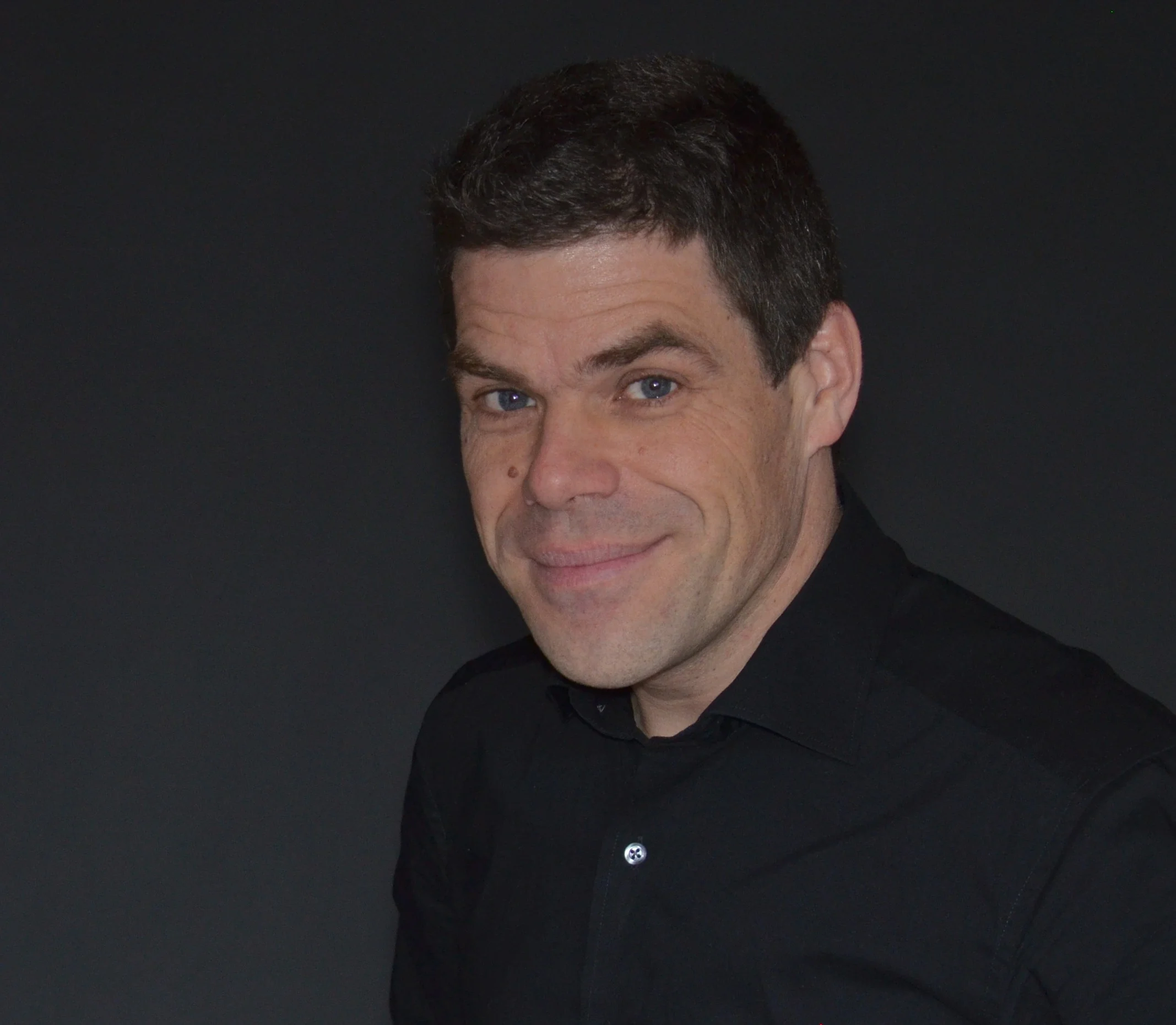
Image from Wikipedia
Image from Wikipedia
Bastian Pusch: Munich Musician, Arranger, and Stage Persona between Jazz, Chanson, Comedy, and Musical Theater
An Artist Profile Full of Playfulness, Precision, and Musical Imagination
Bastian Pusch, born in 1970 in Erlangen and artistically based in Munich, is one of those versatile musicians whose work cannot be reduced to a single genre. For over 25 years, he has worked as a freelance pianist, singer, composer, and arranger, combining concert practice, teaching, choral work, and stage music into an unusually broad musical career. His profile is characterized by stylistic flexibility, clear craftsmanship, and a stage presence that effortlessly shifts between virtuosity and humor. ([bastianpusch.de](https://www.bastianpusch.de/infos/))
Biographical Background: Erlangen, Munich, and the Path to Versatility
Bastian Pusch's artistic journey does not begin in an ivory tower, but in the midst of practical music work. Wikipedia describes him as a German musician, composer, and arranger from Munich; his professional development early on shows a strong affinity for ensemble work, pop, soul, and improvisation. In the 1990s, he was active as a keyboardist in the soul band Soulfood, later under the name Ecco DiLorenzo and his Innersoul, laying a foundation that brings together soul feeling, groove, and musical flexibility. ([de.wikipedia.org](https://de.wikipedia.org/wiki/Bastian_Pusch))
This early phase is important as it explains Pusch's later work: he always thinks of music in terms of interaction. Whether band, theater, choir, or orchestra, his biography does not follow a linear pop star model but rather a curated path between live entertainment, professional arranging skills, and educational responsibility. This very mix makes him appealing to diverse audiences and interesting to music lovers who want to read not just songs but musical biographies. ([de.wikipedia.org](https://de.wikipedia.org/wiki/Bastian_Pusch))
Teaching, Choral Leadership, and Musical Responsibility
Since 1999, Bastian Pusch has held a teaching position for big band at the Munich University of Applied Sciences. This continuity shows that his work is rooted not only in performance but also in education. Those who teach big band practice must master not only chords and voicings but also sound balance, arrangement technique, and the art of leading large ensembles with vitality. ([bastianpusch.de](https://www.bastianpusch.de/infos/))
Since 2007, he has also been directing the Gospel Choir St. Lukas in Munich. This leads to a second focus of his work: choral sound culture, repertoire maintenance, and the connection of spiritual tradition with modern musical energy. The current website continues to showcase the choir as an active project; specific dates with the Gospel Choir St. Lukas are confirmed for 2026. This underscores that Pusch's music career is not a finished chapter but an ongoing practice on stage and in the rehearsal room. ([bastianpusch.de](https://www.bastianpusch.de/infos/))
Career Highlights: From TV Productions to International Orchestra Projects
A look at the stages of his career reveals a musician who confidently navigates between popular music, television, and sophisticated commissioned works. Between 1999 and 2001, Pusch worked as a keyboardist and musical director for the Bullyparade on Pro7, and from 2002 to 2012 as a pianist at the Fastfood Theater in Munich. He also contributed to the music show Singing Bee, along with a long-standing band and theater practice that earned him a reputation as a reliable, humorous, and stylistically open stage musician. ([de.wikipedia.org](https://de.wikipedia.org/wiki/Bastian_Pusch))
Notably, his work for high-profile projects stands out: in 2012, he composed for Herbie Hancock and the Schleswig-Holstein Festival Orchestra during a television gala celebrating Lang Lang's 30th birthday, followed by piano arrangements for Lang Lang and the San Diego Symphony Orchestra in 2013. His own website describes these collaborations as highlights of his work and cites them as examples of his composition and arranging practice at an international level. Thus, Pusch operates not only within the regional cultural space but also in the intersection of classical music, jazz, and orchestral large forms. ([bastianpusch.de](https://www.bastianpusch.de/infos/))
Note-less: Improvisation as a Stage Experience
Since 2015, the duo program "Notenlos durch die Nacht – The Extra Class Request Concert" with Andreas Speckmann has been a central part of his artistic profile. The official project page describes the format as both duet and duel: two pianos, two voices, no sheet music, no playback, but spontaneous improvisation through classical, jazz, musical, and pop. The audience determines the pieces by shouting, giving each evening a different dramaturgy. ([de.wikipedia.org](https://de.wikipedia.org/wiki/Bastian_Pusch))
This concept fits Pusch's artistic temperament perfectly. It combines improvisational artistry with entertainment, virtuosity with communication, and depth of repertoire with wit. The current dates on his website show that "Notenlos" continues to perform regularly on stage in 2025 and 2026, including in Munich, Babenhausen, Meckenbeuren, and Freising. This format remains a vibrant example of audience-oriented concert culture with a high musical standard. ([bastianpusch.de](https://www.bastianpusch.de/termine/?utm_source=openai))
Compositions, Arrangements, and Stage Music
A central area of Pusch's work is composition and arranging. The website lists a wide range: big band charts, pieces for mixed choirs and gospel choirs, brass scores, lead sheets, as well as arrangements for jazz, funk, soul, and swing ensembles. This diversity not only shows stylistic openness but also clear expertise in arrangement technique, form design, and instrumental balance. ([bastianpusch.de](https://www.bastianpusch.de/infos/arbeiten/))
His documented works include compositions like "Hymnus" and "Tarantella" for the classical brass ensemble Harmonic Brass, as well as the St. Lukas pieces "Warum nicht München?", "Walzer für den öffentlichen Nahverkehr," and "Spezialitäten." Such titles point to a signature that combines musical precision with irony, local color, and scenic thinking. Pusch writes music that does not just sound, but draws characters, opens spaces, and shapes audience moments. ([bastianpusch.de](https://www.bastianpusch.de/infos/arbeiten/))
Musical Theater, Children’s Culture, and Stage Music for Family Audiences
Since the 2010s, Pusch has significantly expanded his repertoire towards musical theater and children's culture. His website lists premiered musicals including "Innenkabine mit Balkon" from 2014, "Die Olchis feiern Weihnachten," "Der kleine Rabe Socke," "Das geheime Olchi-Experiment" from 2017, and "Eddi, das Erdmännchen" from 2019. These works demonstrate a special ability to combine musical dramaturgy with narrative clarity. ([bastianpusch.de](https://www.bastianpusch.de/infos/))
Collaboration with Erhard Dietl on songs and stage music for the children's book series "Die Olchis" also falls within this field. In children's and family music, memorability is not solely important; balancing clarity, characterization, and recognizability is essential. Therefore, Pusch's works in this area act like carefully placed building blocks of a stage culture that takes both young and adult listeners seriously. ([de.wikipedia.org](https://de.wikipedia.org/wiki/Bastian_Pusch))
Discography and Musical Versatility
The official website features its own discography and points to other band projects. For example, the project "Groovepolizei," a quartet active between 1995 and 2000 that blended soul, funk, and hip-hop with German lyrics, released an album that is also available on the website via Spotify. Additionally, there are releases and recordings surrounding "Weite," a 2013 CD with Gisela Auspurg that merges jazz, classical, minimal music, and pop. ([bastianpusch.de](https://www.bastianpusch.de/infos/))
This discography is less focused on individual hit singles than on projects, ensembles, and formats. Its uniqueness lies here: Bastian Pusch does not operate in the mode of the classic chart artist but as a musical creator with many roles. His recordings and productions document an artist who moves between studio, stage, and scores while maintaining a consistent signature across different styles. ([bastianpusch.de](https://www.bastianpusch.de/infos/))
Critical Reception, Awards, and Cultural Influence
The available sources illustrate a musician whose recognition arises more from long-term work on quality and versatility than from loud award lists. Wikipedia notes the Orff Medal in 2005 as an award. This honor is fitting for an artist who takes educational work, ensemble culture, and musical mediation seriously. ([de.wikipedia.org](https://de.wikipedia.org/wiki/Bastian_Pusch))
His cultural influence primarily lies in bridging popular and serious music, entertainment, and substance. Pusch can handle big names and large stages without reducing his work to prestige. At the same time, he anchors himself in Munich as an active choir conductor, university lecturer, and theater musician, making his significance extend beyond individual productions. This reliability makes him an interesting figure in the German music landscape. ([bastianpusch.de](https://www.bastianpusch.de/infos/))
Current Projects and Artistic Presence
The website confirms that Bastian Pusch is currently involved in several projects. Besides "Notenlos," he is engaged with the Gospel Choir St. Lukas, the Big Band of Munich University, and the online choir project PopUpChoir. Specific appearances are scheduled for 2026 in Munich, Babenhausen, Meckenbeuren, and Freising, which clearly affirm his active stage presence. ([bastianpusch.de](https://www.bastianpusch.de/infos/))
Thus, Pusch remains an artist who productively links tradition and the present. He composes, arranges, directs, improvises, and performs in formats that seek direct contact with the audience. Those following his work experience a musician who understands musical development as a living practice and not as a finished biography. ([bastianpusch.de](https://www.bastianpusch.de/infos/))
Conclusion: Why Bastian Pusch Remains Worth Listening to and Experiencing
Bastian Pusch is exciting because he embodies the rare combination of virtuosity, humor, stylistic openness, and professional precision. His musical career traverses soul, jazz, choir, theater, musical, and improvisation without losing a coherent thread: musical personality. Those who experience him live do not see just a mere accompanist or arranger, but a stage artist who forms a true event from ideas, voices, and sound colors. ([bastianpusch.de](https://www.bastianpusch.de/infos/))
Especially in times of standardized live formats, this versatility is refreshing. Pusch stands for music as communication, as craftsmanship, and as play with the moment. Anyone with the opportunity should experience him on stage – in "Notenlos," with the choir, or in one of his musical theater projects. It is precisely there that the full range of an artist unfolds, who has built his career consistently on music, curiosity, and stage passion. ([bastianpusch.de](https://www.bastianpusch.de/termine/?utm_source=openai))
Official Channels of Bastian Pusch:
- Instagram: No official profile found
- Facebook: No official profile found
- YouTube: No official profile found
- Spotify: No official profile found
- TikTok: No official profile found
Sources:
Upcoming Events
The Munich Singalong
Notenlos - The Exceptional Request Concert