
Regula Mühlemann
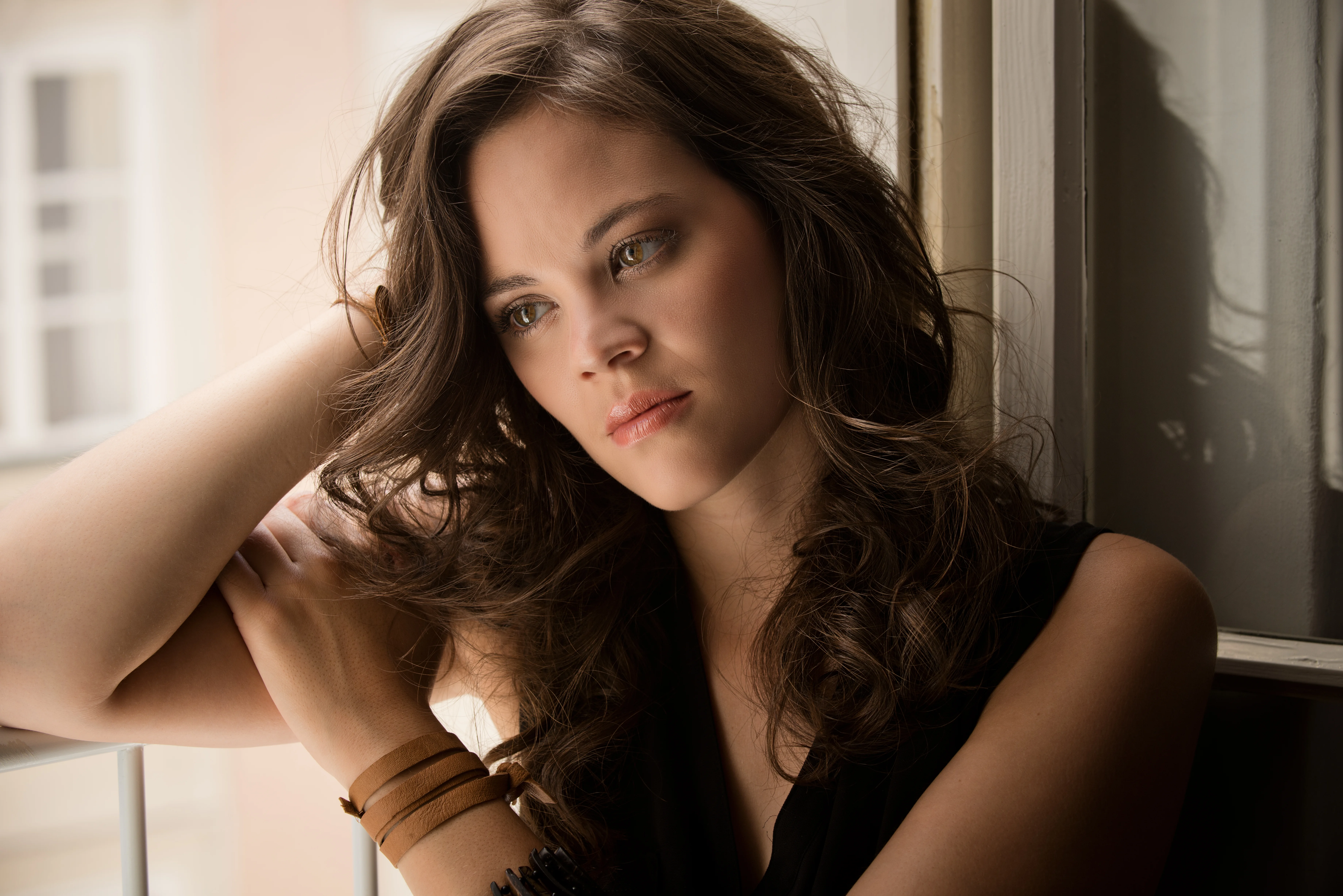
Image from Wikipedia
Image from Wikipedia
Regula Mühlemann – The Swiss Soprano Voice That Shines in Opera and Art Song
From Lucerne to the Major Stages: Why Regula Mühlemann Inspires the Classical Scene
Regula Mühlemann, born on January 7, 1986, near Lucerne, is one of the defining soprano voices of her generation. Her music career intertwines a sensitive ear for sound with a charismatic stage presence – from Mozart and Italian Belcanto to concert works by Mahler, Beethoven, and Haydn. Trained at the Lucerne School of Music under Prof. Barbara Locher, she developed an artistic signature early on that balances lyrical brilliance, intelligent text handling, and precise vocal technique. Today, she is heard in leading opera and concert venues, captivating audiences and critics alike with a timbre that blends lightness and depth.
Biographical Roots: Education, Early Roles, and Cinematic Discoveries
Growing up in Adligenswil near Lucerne, Mühlemann received her vocal training at the Lucerne University of Applied Sciences and Arts, graduating with honors. Early in her studies, she gained stage experience at the Lucerne Theater. She was shaped by roles that demand a fine sense of Mozartian line, including Barbarina (Le nozze di Figaro), Papagena (Die Zauberflöte), and other roles from the Baroque and pre-Classical repertoire. Her first major media breakthrough came with the film production Hunter’s Bride (Der Freischütz), where she attracted attention in 2011 as Ännchen – a cinematic calling card that exposed her energetic yet naturally breathing tone to a broad audience.
Career Progression: From Salzburg to Vienna and Milan – and Back to Zurich
After her early notable success, invitations to prestigious houses followed: the Easter Festival in Baden-Baden, Aix-en-Provence, and the Salzburg Festival. Guest performances took her to the Vienna State Opera, the Opéra de Monte-Carlo, La Scala in Milan, and the Théâtre des Champs-Élysées. These stops demonstrate the consistent artistic development of an artist who combines repertoire competence with stylistic assurance. In 2025, she made her role debut at the Staatsoper Berlin as Sophie in Der Rosenkavalier – a step that underscores her competence in the late Romantic repertoire and affirms the continuity of her career.
Highlights of the 2025/26 Season: New Roles, Tours, and Prominent Concert Projects
The 2025/26 season opens for Mühlemann with a significant role profile in the Mozart repertoire: her debut as Konstanze in Die Entführung aus dem Serail at the Semperoper Dresden. She returns as Konstanze to the Bavarian State Opera, performs as Adele (Die Fledermaus) at the Zurich Opera, and brings her lyrical-virtuoso side into play as Gilda (Rigoletto) at La Scala in Milan. Concert-wise, she can be heard with the Lucerne Symphony Orchestra in New Year’s concerts; together with Le Folia Baroque Orchestra, she showcases a Cleopatra program across several European cities. Furthermore, she performs Mozart’s Exsultate, jubilate, Pergolesi’s Stabat mater, Haydn’s Creation, and the Mozart Requiem in esteemed halls across Zurich, Paris, Bern, Dijon, and Hamburg.
Stage Presence and Style Analysis: Colors, Phrasing, Articulation
Characteristic of Mühlemann's artistic development is the combination of technical sovereignty and text-driven articulation. Her voice possesses a silvery-bright timbre that remains slim and focused in the higher ranges without losing core. In Mozartian roles, she excites with buoyant agogics, even legato, and elegant coloratura. In art song – from Schubert to Strauss – she exhibits differentiated dynamic curves, careful breath management, and a clear diction that makes semantic weight audible. In concert literature – such as Mahler 4 – she utilizes the bright core of her voice for a chamber-musically radiant line that integrates organically into the orchestral fabric.
Collaboration with Influential Conductors and Orchestras
Mühlemann regularly collaborates with prominent conductors such as Daniel Barenboim, Riccardo Chailly, Zubin Mehta, Sir Simon Rattle, Franz Welser-Möst, Ivor Bolton, and Thomas Hengelbrock. These artistic partnerships also influence repertoire decisions: ranging from Baroque aria programs with specialized ensembles to major symphonies (Beethoven 9, Missa solemnis, Mahler 4). During orchestral tours and festivals – including the Lucerne Festival and the Salzburg Festival – she positions herself as a soprano who adeptly transitions between operatic and concert stages.
Discography: Prominent Albums, Clear Dramaturgies
In her discography, Mühlemann shows a coherent program design. The debut album Mozart Arias (Sony Classical, 2016) focuses on the vocal ergonomics of Mozart singing, supported by clearly profiled recitatives and aria scenes. Cleopatra – Baroque Arias (Sony Classical, 2017) links Baroque character psychology with stylistically informed ornamentation aesthetics; the album was awarded an OPUS KLASSIK. Lieder der Heimat – Songs from Home (2019) documents her seriousness in the art song repertoire and cultural anchoring. With Mozart Arias II (2020), she continues her exploration of Mozart's female characters, this time with more mature tempo and color differentiations. Fairy Tales (2022) collects "magical" repertoire treasures – from Baroque brilliance to late Romantic shades – and was again honored with an OPUS KLASSIK in 2023. These recordings combine composition, arrangement, and production into clearly perceivable dramaturgies that make artistic development audible.
Awards, Reception, and Authority
Multiple acclaimed releases underline the authority of this soprano: OPUS KLASSIK honors in 2018, 2021, and 2023 document a continuous excellence in voice, repertoire, and interpretation. Press resonance – from the British daily press to the German-speaking feuilleton landscape – repeatedly emphasizes the naturalness of her tone, the radiant highs, and the intelligent role characterization. This critical reception, paired with engagements at leading houses, adds weight and reference character to her discography and stage activity.
Repertoire Focus: Mozart, Belcanto, and Beyond
At the center of her genre spectrum is Mozart: Pamina, Susanna, Konstanze, Blonde – roles that require precision in coloratura, flexibility in mezzavoce, and expressive intensity. Additionally, Mühlemann shines as Adina (L’elisir d’amore) and Gilda (Rigoletto) in Belcanto, where line control and lyrical brilliance are in demand. Concert-wise, she demonstrates a stylistically informed yet slenderly focused sound in Bach cantatas, Pergolesi’s Stabat mater, Haydn’s Creation, and Beethoven 9. In Mahler's Fourth, she unfolds a chamber-musical transparency that places text and melody in a poetic suspended state.
Opera and Concert Projects: From Der Rosenkavalier to Exsultate, jubilate
With her role profile of Sophie in Der Rosenkavalier, Mühlemann solidified her presence in the late Romantic repertoire in 2025. Concurrently, concerts with leading orchestras shape the seasons: Mozart’s Exsultate, jubilate and Pergolesi’s Stabat mater alongside prominent ensembles, Haydn’s Creation in storied halls, and interpretations of Mozart’s Requiem that connect the sacred tone with clear line construction. These projects showcase an artist who perceives repertoire maintenance as a continuous artistic refinement – bridging historical performance practice and today's sound aesthetics.
Film, Media, and Access for a Broad Audience
Apart from the stage, Mühlemann intentionally seeks media dialogue: film adaptations (e.g., Der Freischütz/Hunter’s Bride) and curated video highlights open her repertoire to an audience outside the opera house. In livestream formats and carefully produced video clips, composition, interpretation, and artistic context become transparent – a building block of contemporary communication that strengthens the artist's credibility.
Cultural Influence: Between Tradition and Contemporary Narration
Mühlemann's artistic language connects traditionally grounded stylistic knowledge with contemporary narration. Her song programs anchor folk song proximity and poetry within an art song framework; her opera roles emphasize narrative clarity, psychological differentiation, and a speaking legato. Thus, she acts as an ambassador for a classical understanding that synthesizes expertise, experience, and accessibility – winning new listeners for opera and art song.
Voices of the Fans
The reactions of fans clearly show: Regula Mühlemann delights people around the world. On Instagram, a listener writes: “This voice lights up every hall!” Another comment emphasizes: “So much color, so much expression – goosebumps in every phrase.” Such feedback reflects what concert critiques confirm: the rare blend of technical brilliance and human closeness.
Conclusion: Why You Must Experience Regula Mühlemann
Regula Mühlemann unites stylistic sovereignty, dramaturgical intelligence, and a unique sound profile. In her discography, curated repertoire selection meets top-notch partners; on stage, she intertwines precision, warmth, and natural radiance. Those who want to understand how Mozart can sound today, how art song tells stories, and how concert repertoire moves should experience this soprano live – where her art resonates most directly.
Official Channels of Regula Mühlemann:
- Instagram: https://www.instagram.com/regulamuehlemann/
- Facebook: No official profile found
- YouTube: No official profile found
- Spotify: No official profile found
- TikTok: No official profile found
Sources:
- Regula Mühlemann – Official Website
- Regula Mühlemann – About
- Lucerne Festival – Artist Profile Regula Mühlemann
- Salzburg Festival – Artist Profile Regula Mühlemann
- Presto Music – Discography & Artist Profile
- Operabase – Concert Program with NDR Elbphilharmonie Orchestra
- SWR Kultur – Lunchtime Concert (Festival Strings Lucerne, Program with Regula Mühlemann)
- Wikipedia: Image and Text Source