
Kurt Elling
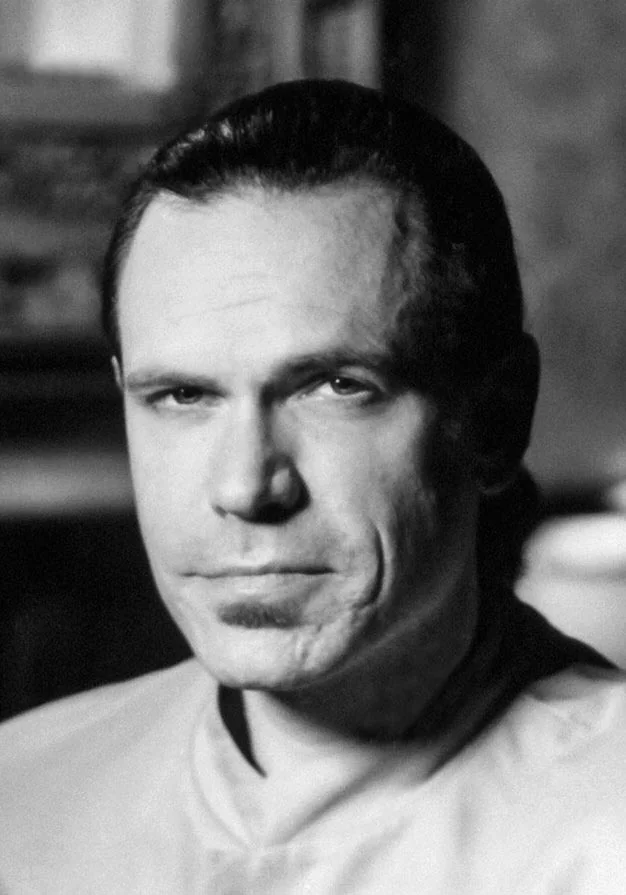
Image from Wikipedia
Image from Wikipedia
Kurt Elling: The Great Jazz Baritone Between Elegance, Risk, and Poetic Power
A jazz singer who reinterprets standards and gives modern vocal jazz a distinctive voice
Kurt August Elling, born on November 2, 1967, in Chicago, is one of the most influential jazz singers of his generation. The American baritone has earned a top position in international vocal jazz with his technical prowess, deep understanding of lyrics, and an extraordinary narrative stage presence. He received Grammy Awards in 2010 and 2021, and his official artist page describes him as a two-time Grammy winner with a distinct and stylistically open body of work. ([kurtelling.com](https://kurtelling.com/about/?utm_source=openai))
Elling represents a music career that never settles for mere mastery. His art combines jazz tradition, poetic writing, vocal improvisation, and a clear sense of dramaturgy. This is precisely the tension that has made him a reference figure for both critics and audiences for years. ([kurtelling.com](https://kurtelling.com/about/?utm_source=openai))
Biographical Roots: Chicago as an Artistic Fertile Ground
Chicago shapes Kurt Elling not only biographically but also aesthetically. The city represents jazz history, urban energy, and musical openness in his career, and this combination is reflected in his development. From an early age, he cultivated an approach to jazz that melds stylistic awareness and intellectual curiosity with direct emotional communication. ([kurtelling.com](https://kurtelling.com/about/?utm_source=openai))
Elling's official artist profile emphasizes that his work goes far beyond singing. He writes, conducts, produces, and shapes projects with a theatrical perspective, including large-scale commissions for the Steppenwolf Theatre Company and the city of Chicago. This showcases an artist who not only interprets but also shapes, organizes, and embeds content within a broader cultural narrative. ([kurtelling.com](https://kurtelling.com/about/?utm_source=openai))
The Breakthrough: From Jazz Club to International Acclaim
His rise began in the 1990s and quickly evolved from a scene recommendation to international recognition. His official page emphasizes that Elling has been touring and recording for over 25 years, performing in more than 70 countries, and regularly collaborating with leading orchestras and big bands. This reach explains why he is no longer seen as a niche artist but as a global presence in jazz vocals. ([kurtelling.com](https://kurtelling.com/about/?utm_source=openai))
Both early and later recordings showcase the same core: Elling does not treat standards as museum pieces but as living material. The official biography notes his work with lyrics, vocalese, spoken word, and improvisational extensions — handwriting that has expanded jazz vocals both thematically and technically. The Chicago Tribune and other media praised his ability to charge familiar forms with new urgency. ([kurtelling.com](https://kurtelling.com/about/?utm_source=openai))
Musical Development: Between Standards, Vokalese, and Lyrical Reinterpretation
Elling's musical development does not follow a linear genre logic but rather an artistic principle of transformation. The official texts about his releases describe his range from bebop to pop to neo-soul, from standards to political and literary song concepts. This versatility makes him a singer who not only masters pitches but layers meanings. ([kurtelling.com](https://kurtelling.com/product/superblue/))
His handling of text and arrangement is particularly striking. Elling often works with newly written lyrics to existing compositions, emphasizing strong rhythmic presence, precise phrasing, and a language that bridges jazz history, literature, and contemporary relevance. The official website refers to a "signature style" characterized by contemporary beat lyricism and vocalese innovation. ([kurtelling.com](https://kurtelling.com/about/?utm_source=openai))
Discography: Important Albums and Artistic Milestones
Central to Elling's discography are Flirting With Twilight, The Messenger, Passion World, Upward Spiral, The Questions, Secrets Are The Best Stories, SuperBlue, and recent projects related to Wildflowers and In The Brass Palace. The official page announces Wildflowers, Vol. 3 for August 2025, while the album with Bob Mintzer and the WDR Big Band project …in the Brass Palace is slated for February 2026. ([kurtelling.com](https://kurtelling.com/about/?utm_source=openai))
The discography reveals an artist who never relies on repetition. SuperBlue marked 2021 with a funk-driven, groove-oriented phase featuring Charlie Hunter, Corey Fonville, and DJ Harrison, while SuperBlue: Guilty Pleasures, Vol. 2 continues this trend with a bolder, genre-blending approach in 2025. The official description discusses newly interpreted songs, a powerful rhythm section, and arrangements that deliberately blur genre boundaries. ([kurtelling.com](https://kurtelling.com/product/superblue/))
Elling's earlier and mid-career phases remain significant as well. Upward Spiral was created in 2016 with Branford Marsalis, Joey Calderazzo, Eric Revis, and Justin Faulkner; The Questions in 2018 connected social and political themes with a grand studio jazz gesture; and Secrets Are The Best Stories in 2020 returned to a more narrative and morally charged form of jazz singing. These releases form the core of his artistic authority. ([kurtelling.com](https://kurtelling.com/product/upward-spiral/?utm_source=openai))
Current Projects: Broadway, New Releases, and International Tours
Elling's recent phase is notably multifaceted. His official website reports that in 2025 he will join the Broadway production Hadestown, where he has been announced as Hermes. At the same time, the site points to new releases with Christian Sands and Bob Mintzer, as well as an active touring schedule with stops in France, Poland, the UK, and other countries. ([kurtelling.com](https://kurtelling.com/?utm_source=openai))
Elling also remains prominent outside the USA. A recent tour note mentions joint concerts with Charlie Hunter, while Music Works International promoted a Latin American tour for 2025, describing Elling as a singer with a special stylistic range. This confirms his status as an internationally sought-after live artist whose career is not limited to studio work. ([kurtelling.com](https://kurtelling.com/?utm_source=openai))
Style and Reception: Why Critics Consider Him an Exceptional Artist
The reception of Kurt Elling has been remarkably consistent for years. His official page references a statement from the New York Times describing Elling as the outstanding male jazz vocalist of his time; the Guardian praised him as "Sinatra with superpowers." Such attributions reflect not only prestige but also recognition of his vocal control, timbre, and creative intelligence. ([kurtelling.com](https://kurtelling.com/about/?utm_source=openai))
His accolades reinforce this position. According to the official biography, he has won two Grammy Awards, received 17 Grammy nominations, led various DownBeat critic and reader polls for over two decades, and won numerous Jazz Journalists Association Awards as "Male Vocalist of the Year." These numbers describe not just success but a lasting dominance within the genre. ([kurtelling.com](https://kurtelling.com/about/?utm_source=openai))
Cultural Influence: Jazz as Language, Not as Stylistic Boundary
Elling's influence extends beyond the jazz scene. His collaboration with theater, poetry, political songwriting, and large orchestral formats shows an artist who understands jazz as a cultural argument. In projects like Lighting the Beacon or The Questions, he intertwines musical form with social and moral reflection, which gives his art a unique depth. ([kurtelling.com](https://kurtelling.com/lighting-the-beacon/?utm_source=openai))
As a collaborator, Elling also leaves a significant mark. He has worked with Branford Marsalis, Danilo Pérez, Fred Hersch, Charlie Hunter, the Yellowjackets, and international orchestras such as the WDR Big Band, the BBC Concert Symphony, and the New York Philharmonic. These partnerships showcase a singer who broadens the role of the frontman and continually explores new sonic spaces. ([kurtelling.com](https://kurtelling.com/about/?utm_source=openai))
Conclusion: A Jazz Artist for the Present and the Future
Kurt Elling remains exciting because he does not manage jazz singing but transforms it. His voice combines virtuosity with narrative precision, his discography spans from standards to poetic reinterpretations to funky band projects, and his stage presence carries the same blend of intelligence, risk, and warmth. Anyone wishing to understand how vibrant modern vocal jazz can sound will find in Elling one of its most coherent representatives. ([kurtelling.com](https://kurtelling.com/about/?utm_source=openai))
Especially in live performances, this art unveils its full power. Kurt Elling is a singer who fills spaces with meaning and transforms songs into experiences. To experience him on stage is to hear jazz as a contemporary art form. ([kurtelling.com](https://kurtelling.com/?utm_source=openai))
Official Channels of Kurt Elling:
- Instagram: https://www.instagram.com/kurtelling/
- Facebook: No official profile found
- YouTube: No official profile found
- Spotify: https://open.spotify.com/artist/1UhC1mCcd9SFXLibHhMX61
- TikTok: No official profile found
Sources:
- Kurt Elling - About & Biography
- Kurt Elling - Official Website
- Kurt Elling - SuperBlue
- Kurt Elling - SuperBlue: Guilty Pleasures, Vol. 2
- Kurt Elling - Wildflowers, Vol. 2
- JazzTimes - The Ever-Expansive Kurt Elling Goes to Broadway, and Much More
- Music Works International - Kurt Elling Latin American Tour 2025
- Spotify - Kurt Elling
- Wikipedia: Kurt Elling