
Jim Jarmusch
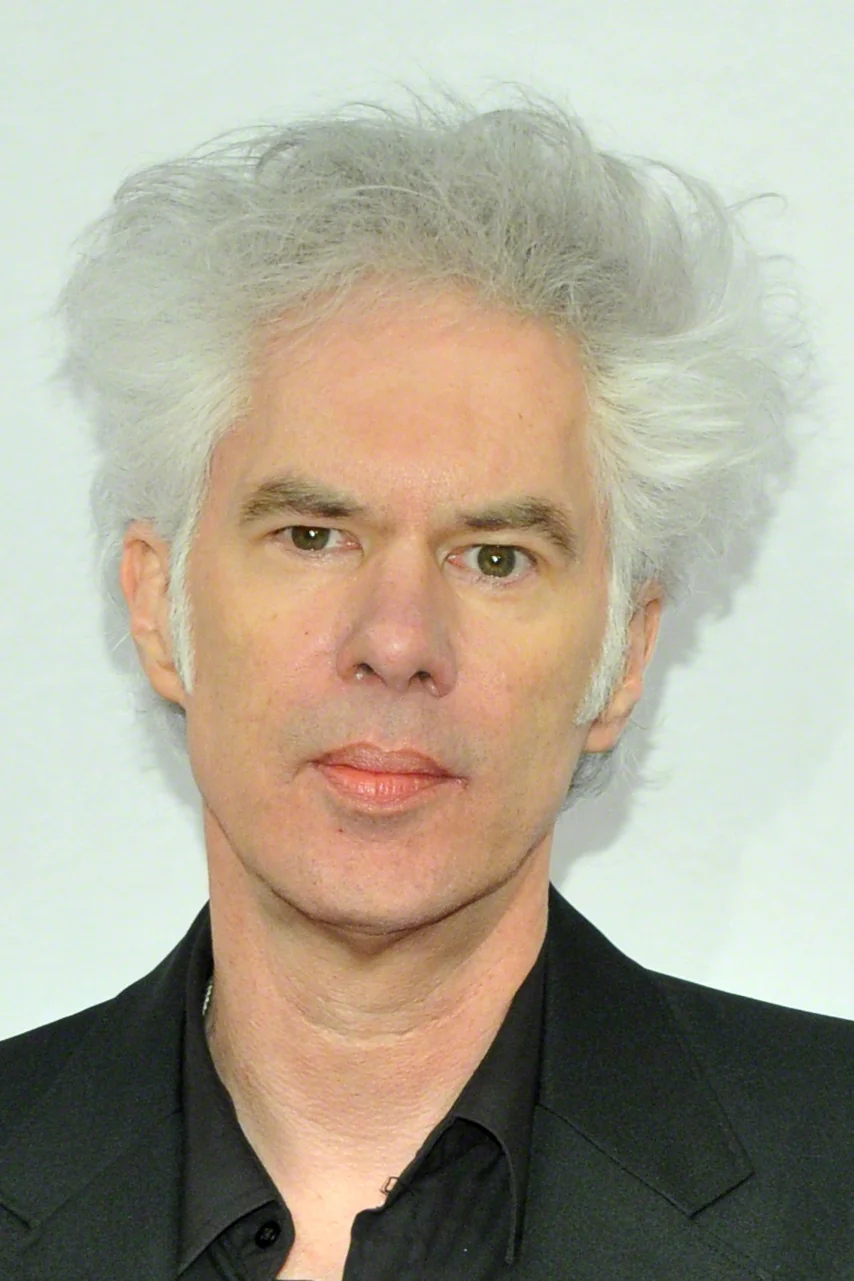
Image from Wikipedia
Image from Wikipedia
Jim Jarmusch: The Master of Independent Cinema Between Minimalism, Coolness, and Sound Art
An Auteur Who Redefined American Cinema
Jim Jarmusch is one of those rare directors whose name has long stood for a certain attitude: against the mainstream, for rhythm, atmosphere, and quirky characters. Born on January 22, 1953, in Cuyahoga Falls, Ohio, he evolved from a literature-enthusiast student into a defining U.S. independent filmmaker, actor, musician, and producer. His music career as part of SQÜRL and his film career have intertwined for decades, shaping a distinct artistic cosmos. ([en.wikipedia.org](https://en.wikipedia.org/wiki/Jim_Jarmusch))
Jarmusch’s work thrives on laconic humor, precise observation, and a visual language that seems casual yet is incredibly focused. With films like Stranger Than Paradise, Down by Law, Dead Man, Ghost Dog: The Way of the Samurai, and Paterson, he made history in independent cinema. His career connects arthouse aesthetics, cultural references, musical sensitivity, and a consistently unique voice that still draws international attention. ([en.wikipedia.org](https://en.wikipedia.org/wiki/Jim_Jarmusch))
Early Years: From Ohio to New York
Jarmusch grew up in Ohio and arrived at filmmaking through literature and art history. After graduating high school in 1971, he moved to Chicago, studying at the Medill School of Journalism at Northwestern University, and later transferred to Columbia University, where he took courses in English and American literature. There, he found himself in an intellectual environment that significantly foreshadowed his later inclination towards poetic, fragmented narrative forms. ([en.wikipedia.org](https://en.wikipedia.org/wiki/Jim_Jarmusch))
After graduating in 1975, he returned to New York and initially worked as a musician. This experience is central to his art, as Jarmusch often thinks about films like compositions: with pauses, repetitions, motifs, and moods rather than conventional dramaturgy. This distinct artistic development early on set him apart from many colleagues in the U.S. film scene. ([en.wikipedia.org](https://en.wikipedia.org/wiki/Jim_Jarmusch))
The Breakthrough with Stranger Than Paradise
International recognition came in 1984 with Stranger Than Paradise, which won the Caméra d’Or at Cannes. The work is considered a key text of American independent cinema and was described by critics as a film that fundamentally changed the understanding of Independent Cinema. This success established Jarmusch as an auteur of cult status and made his reduced, dry narrative style a hallmark. ([festival-cannes.com](https://www.festival-cannes.com/en/artist/jim-jarmusch))
In the following years, Jarmusch solidified this profile with Down by Law and Mystery Train. Both films expanded his universe of outsiders, urban fringes, and poetic absurdity. Jarmusch’s cinema never feels loud but rather precise: it relies on timing, gaze, tone, and the silence between dialogues. ([festival-cannes.com](https://www.festival-cannes.com/en/artist/jim-jarmusch))
The Stylistic Principle: Minimalism, Pop Culture, and Controlled Irony
Jarmusch’s style is immediately recognizable: decelerated scenes, elliptical storytelling, dry humor, and a strong affinity for music, subculture, and urban margins. In Dead Man, he shifted this signature into a mythologically charged Western garb, while Ghost Dog: The Way of the Samurai intertwined American gangster and samurai motifs. His films combine genre elements with philosophical emptiness, cultural friction, and an almost musical precision of the moment. ([festival-cannes.com](https://www.festival-cannes.com/en/artist/jim-jarmusch))
This controlled irony and the commitment to the understated have made him one of the most influential independent filmmakers of his generation. Critics have repeatedly described him as an uncompromising auteur with urban coolness and a keen eye for "minutely observed detail." It is this mixture of laconicism and style consciousness that explains why his films maintain lasting relevance both cinematically and culturally. ([en.wikipedia.org](https://en.wikipedia.org/wiki/Jim_Jarmusch))
Significant Films and International Recognition
For decades, Jarmusch has regularly competed at major festivals. Cannes lists his significant works as Stranger Than Paradise, Down by Law, Mystery Train, Dead Man, Broken Flowers, Only Lovers Left Alive, Paterson, and The Dead Don’t Die. Additionally, he received accolades such as the Grand Prix for Broken Flowers at the 2005 Cannes Film Festival and the Golden Lion for Father Mother Sister Brother at the 82nd Venice Biennale in 2025. ([festival-cannes.com](https://www.festival-cannes.com/en/artist/jim-jarmusch))
These festival successes are more than trophies. They mark a career that consistently emphasizes independence while still gaining global recognition. Jarmusch demonstrates that artistic consistency and international visibility do not have to be opposites but can indeed reinforce each other. ([festival-cannes.com](https://www.festival-cannes.com/en/artist/jim-jarmusch))
Musical Development: SQÜRL, Soundtracks, and Experimental Sound Spaces
As a musician and composer, Jarmusch has also developed a distinctive profile. Through SQÜRL, the project with Carter Logan, several releases and soundtracks emerged, including Only Lovers Left Alive, Paterson, The Dead Don’t Die, Some Music for Robby Müller, Music for Man Ray, and the 2023 release Silver Haze. SQÜRL describes itself as a New York band with a penchant for distorted guitars, loops, feedback, and imaginary film scores. ([squrlworld.com](https://www.squrlworld.com/about-sqrl))
The musical signature ranges from psychedelic rock to drone to ambient textures. On the official SQÜRLWORLD website, the band's evolution is described as a continuous exploration of country, noise, and psychedelia; for Only Lovers Left Alive, the group collaborated with Jozef van Wissem and received a Cannes Soundtrack Award from a critics' consortium. This not only showcases Jarmusch as a director but as a sound artist with a keen sense for atmosphere and production. ([squrlworld.com](https://www.squrlworld.com/about-sqrl))
Current Projects and New Releases
In 2025, Jarmusch remained highly active artistically. His film Father Mother Sister Brother won the Golden Lion at the Venice Film Festival, and the accompanying film score was released on December 24, 2025, as a 16-track album Father Mother Sister Brother (Original Music from the Film) on Sacred Bones Records; Jarmusch composed the music together with Anika. This continues his blend of film and music at a current level. ([apnews.com](https://apnews.com/article/441dd2ad0b2346e5edebb3955e16c979))
The public perception impressively confirmed this phase: AP reported on Jarmusch's win of the main prize in Venice while festival and industry sources described the film as a return to his arthouse-influenced form. This is significant for his artistic development as it shows how adeptly he navigates between cinema, composition, and the international festival circuit even later in his career. ([apnews.com](https://apnews.com/article/441dd2ad0b2346e5edebb3955e16c979))
Cultural Influence: From Indie Pioneer to Living Reference
Jim Jarmusch is now more than just a director. He is regarded as a key figure in U.S. independent film, whose work has profoundly shaped the language of arthouse cinema. His films have influenced a generation of filmmakers by demonstrating that significant artistic impact is possible even with small budgets, open forms, and a clear stance. ([en.wikipedia.org](https://en.wikipedia.org/wiki/Jim_Jarmusch))
His cultural influence extends far beyond the film industry. Jarmusch represents an image of the artist who does not conform to the market but builds his own world: with music, fashion, literature, pop culture, and a distinctive presence in interviews, festival appearances, and side projects. It is precisely this blend of authority, individuality, and stylistic clarity that makes him a lasting reference in present-day culture. ([en.wikipedia.org](https://en.wikipedia.org/wiki/Jim_Jarmusch))
Conclusion: Why Jim Jarmusch Continues to Fascinate
Jim Jarmusch fascinates because he understands art not as an effect, but as an attitude. His films and sound works connect minimalism with depth, pop with poetry, and skepticism with humor. Experiencing Jarmusch means encountering an artist who has maintained a radically unique signature over the decades, which makes him consistently feel fresh. ([festival-cannes.com](https://www.festival-cannes.com/en/artist/jim-jarmusch))
His greatness lies in the calmness of his direction, the rhythm of his editing, the musical structure of his images, and the consistency of his path. Those who experience him live during discussions, festival appearances, or musical projects do not see a nostalgic myth but rather a vibrant auteur shaping the present. Jim Jarmusch remains a recommendation for all who love cinema as an art form and music as an extension of cinematic imagination. ([apnews.com](https://apnews.com/article/441dd2ad0b2346e5edebb3955e16c979))
Official Channels of Jim Jarmusch:
- Instagram: no official profile found
- Facebook: no official profile found
- YouTube: no official profile found
- Spotify: no official profile found
- TikTok: no official profile found
Sources:
- Wikipedia – Jim Jarmusch
- Festival de Cannes – Jim JARMUSCH
- AP News – Father Mother Sister Brother wins top prize at the Venice Film Festival
- SQÜRLWORLD – About SQÜRL
- SQÜRLWORLD – Official Band Page
- Wikipedia – Father Mother Sister Brother (Original Music from the Film)
- SQÜRLWORLD – Releases and Social Notes
Upcoming Events
Father Mother Sister Brother by Jim Jarmusch
Cinema is Program: Father Mother Sister Brother (Subtitled)
Cinema is Program: Father Mother Sister Brother
FATHER MOTHER SISTER BROTHER – Obenkino Cottbus
FATHER MOTHER SISTER BROTHER – Obenkino Cottbus
Picture Book Theater: Jim is in a Bad Mood
Father Mother Sister Brother
Father Mother Sister Brother
Father Mother Sister Brother