
Asmik Grigorian
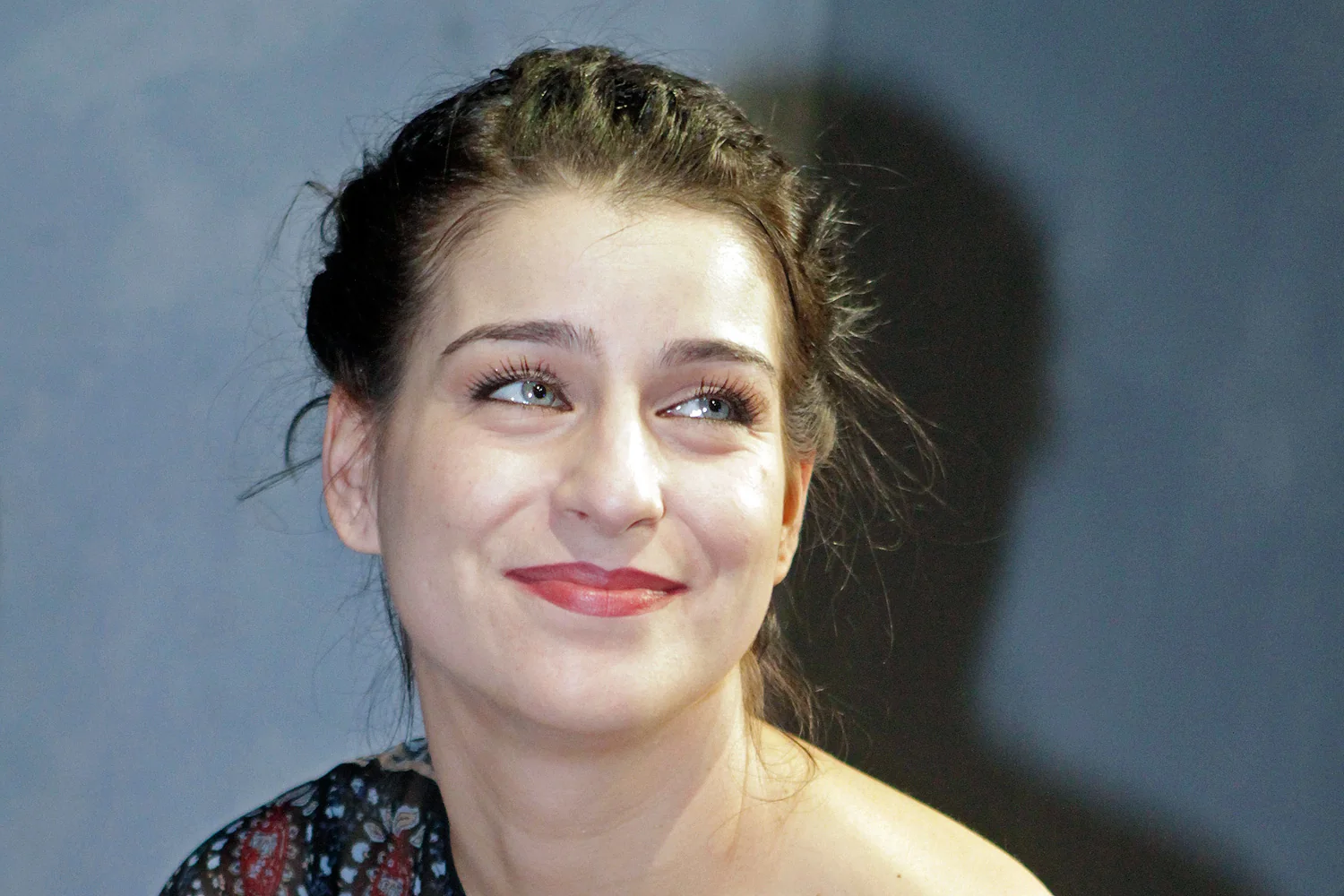
Image from Wikipedia
Image from Wikipedia
Asmik Grigorian: The soprano who transforms opera into emotion, risk, and the present
An artist with dramatic charisma and international presence
Asmik Grigorian, born on May 12, 1981, in Vilnius, is one of the most distinctive soprano voices of our time. Her career combines Lithuanian operatic tradition, international stage presence, and a rare blend of vocal intensity and dramatic authenticity. Since her debut, she has established herself as an interpreter of great dramatic female characters and is engaged at the leading opera houses around the world. ([asmik-grigorian.com](https://www.asmik-grigorian.com/bio?utm_source=openai))
Biography: Background, musical environment, and the path to the opera stage
Grigorian's musical biography has been closely tied to the history of opera from the very beginning. She comes from an environment where singing is not just a profession but an artistic heritage; the official artist biography references her family and early influence from the operatic field. Her stage debut dates back to 2004 when she performed as Desdemona in Batumi, shortly followed by other early milestones, including her international debut in 2005 in Kristiansand, Norway, as Donna Anna. ([asmik-grigorian.com](https://www.asmik-grigorian.com/bio?utm_source=openai))
The decisive step in her musical career came during a phase when she not only took on roles but also shaped herself as a complete stage personality. In 2006, she became a founding member of the Vilnius City Opera, where she developed a wide repertoire spanning Puccini, Verdi, Tchaikovsky, and musical theater. This phase sharpened her profile as a singer, showing her interest in both great Verismo moments and psych psychologically complex roles. ([asmik-grigorian.com](https://www.asmik-grigorian.com/bio?utm_source=openai))
The artistic breakthrough: Salzburg as a turning point
The international breakthrough came with a particularly lauded Salome performance in Salzburg, which visibly accelerated her career and solidified her reputation as a dramatic exceptional artist. The press described this moment as a career leap that not only led to new engagements but also brought Grigorian into the circle of the world's most sought-after opera interpreters. Her stage presence was underscored alongside her ability to physically and emotionally inhabit a role. ([van-magazin.de](https://van-magazin.de/mag/asmik-grigorian/?utm_source=openai))
Since then, Grigorian has been present at major houses, including the Vienna State Opera, Teatro Real Madrid, Salzburg Festival, and Teatro alla Scala. The official artist site also emphasizes that she is regularly engaged at the most significant opera houses and that her work spans opera, concert, and song evenings. ([asmik-grigorian.com](https://www.asmik-grigorian.com/bio?utm_source=openai))
Repertoire and role profile: From Puccini to Strauss
Asmik Grigorian has particularly made a name for herself with the great female characters of the late Romantic and veristic repertoire. Frequently mentioned are Salome, Rusalka, Jenůfa, Tatiana, Madama Butterfly, Turandot, Manon Lescaut, Macbeth, and the three soprano roles from Puccini's Il Trittico. Her career shows a strong connection to dramatic roles that demand not only vocal brilliance but also psychological precision and theatrical power. ([asmik-grigorian.com](https://www.asmik-grigorian.com/bio?utm_source=openai))
This role choice reveals a clear artistic compass. Grigorian does not seek mere virtuosity but focuses on sharp conflict, fractures, and inner monologues. This is precisely why her profile fits so convincingly with Strauss, Puccini, Tchaikovsky, Janáček, and Verdi, the repertoire in which voice serves as instrument, narrator, and dramatic character simultaneously. ([asmik-grigorian.com](https://www.asmik-grigorian.com/bio?utm_source=openai))
Discography: Recordings between song artistry and operatic documentation
Her discography also reflects this versatility. The official website highlights several releases with Alpha Classics, including the solo debut Dissonance featuring Rachmaninov romances, Shostakovich's Symphony No. 14, and Laws of Solitude, which includes Strauss' Four Last Songs in orchestral and piano versions. This recording image is complemented by DVDs and recordings of central opera productions, such as Elektra, Macbeth, Rusalka, and other documented stage works. ([asmik-grigorian.com](https://www.asmik-grigorian.com/bio?utm_source=openai))
It is noteworthy that Grigorian's recordings do not appear merely as accompanying products of her stage career, but as independent artistic statements. The interplay with pianist Lukas Geniušas particularly shapes her song work, which appears as an important component of her profile in the sources. The collaboration documents a singer who generates the same tension in an intimate format as on the opera stage. ([asmik-grigorian.com](https://www.asmik-grigorian.com/listen?utm_source=openai))
Current projects and releases: 2024 and 2025 in the sign of expansion
The recent years showcase an artist at the peak of her international visibility. For 2024, her official website announced new albums, including a release featuring Strauss' Four Last Songs as well as a recording with Rachmaninov and other vocal programs. Meanwhile, her season was accompanied by concert and opera performances, including projects at major European opera houses and in concert series with clear artistic intentions. ([asmik-grigorian.com](https://www.asmik-grigorian.com/news/new-albums-2023-24?utm_source=openai))
For the 2025/26 season, the official biography mentions numerous prominent stops, including return engagements as Desdemona in Otello, Salome in Hamburg, Senta in Der fliegende Holländer in Monte-Carlo, Cio-Cio-San in Madama Butterfly in Berlin, Manon Lescaut in Barcelona, and Tatiana at the Metropolitan Opera and the Vienna State Opera. Additionally, there will be song evenings with Lukas Geniušas, Strauss' Four Last Songs, Verdi's Requiem, and the theatrical concert project Una Diva is Born, which links her life story with elements of opera, pop, and biographical storytelling. ([asmik-grigorian.com](https://www.asmik-grigorian.com/bio?utm_source=openai))
Critical reception: Voice, expression, and stage intensity
The press regularly describes Grigorian in superlatives, but the relevant formulations focus less on mere greatness and more on differentiation. On her official page, she is characterized by the New York Times as an extraordinarily intense dramatic singer and by the Times as notably versatile; Le Monde highlights the dark, powerful coloring of her voice. According to the Financial Times, she lives and breathes her Salome from the first to the last note, while SWR Culture emphasizes the tonal transparency and dramatic intensity of her heights. ([asmik-grigorian.com](https://www.asmik-grigorian.com/bio?utm_source=openai))
This reception paints the picture of an artist who does not just sing but transforms roles into psychological intensity. The opera magazine also describes her as an exceptional singer who does not fit into rigid categories and works with minimal yet precise gestures. The result is a rare blend of vocal authority, dramatic credibility, and stylistic fluidity. ([asmik-grigorian.com](https://www.asmik-grigorian.com/bio?utm_source=openai))
Awards and cultural impact
Asmik Grigorian has received several prestigious awards, including the Golden Stage Cross in Lithuania, the award for Best Female Lead at the Austrian Music Theater Awards 2019, the honor of Female Opera Singer of the Year by the Ópera XXI Association in 2022, and being named Female Singer of the Year at the Opus Klassik Awards 2023. In 2024, she also received the Austrian Music Theater Prize in the category of Special Jury Prize as well as the title of Operatic Singer of the Year from Opernwelt. In 2025, she was once again named Female Singer of the Year. ([asmik-grigorian.com](https://www.asmik-grigorian.com/bio?utm_source=openai))
Her cultural impact extends beyond individual roles. Grigorian represents a contemporary operatic aesthetic in which a singer carries not only sound but also the drama, movement, and inner truth of a character. In doing so, she has shaped the image of the modern soprano: less decorative, more existential; less distanced, more immediate. ([asmik-grigorian.com](https://www.asmik-grigorian.com/bio?utm_source=openai))
Fans' voices
As there were no clearly verified official social media channels found in the web search, this section has been intentionally omitted. No fan quotes were used, and no unofficial profiles were considered. ([asmik-grigorian.com](https://www.asmik-grigorian.com/bio?utm_source=openai))
Conclusion: A soprano who makes opera audible as a vibrant present
Asmik Grigorian fascinates because she does not treat opera as a monument but as a vibrating presence. Her musical career unites vocal excellence, psychological depth, extraordinary stage presence, and a repertoire that encompasses some of the greatest challenges of the field. Those who want to understand how powerful opera can still be in the 21st century will find in her one of the most convincing voices of her generation. She belongs on the grand stages, and she belongs to be experienced live. ([asmik-grigorian.com](https://www.asmik-grigorian.com/bio?utm_source=openai))
Official channels of Asmik Grigorian:
- Instagram: No official profile found
- Facebook: No official profile found
- YouTube: No official profile found
- Spotify: No official profile found
- TikTok: No official profile found
Sources:
- Asmik Grigorian - Official Biography
- Asmik Grigorian - Official Website
- Asmik Grigorian - 2025/26 Season
- Asmik Grigorian - New Albums 2023/24
- Asmik Grigorian - Recordings / Listen
- Cal Performances - Press Release
- ARTE Concert - Asmik Grigorian sings Verdi & Bellini
- Berlin Philharmonic - Concert Asmik Grigorian / Lukas Geniušas
- Wikipedia: Asmik Grigorian