
Anton Pawlowitsch Tschechow
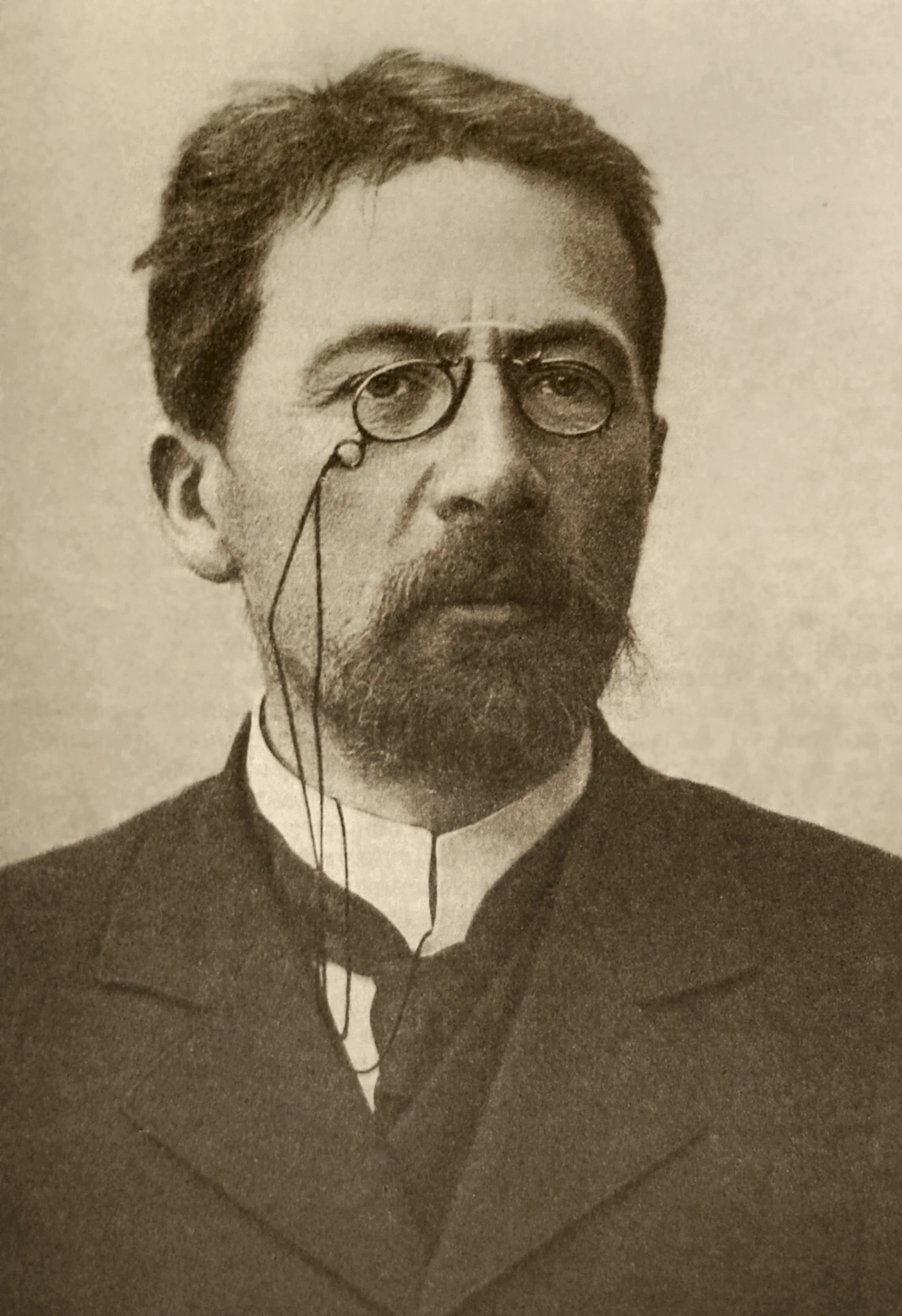
Image from Wikipedia
Image from Wikipedia
Anton Pavlovich Chekhov – the Master of Quiet Truth and Grand Theater Moments
A Literary Titan Between Medical Profession, Narrative Art, and World Theater
Anton Pavlovich Chekhov is considered one of the defining voices of Russian and modern world literature. Born on January 29, 1860, in Taganrog and died on July 15, 1904, in Badenweiler, he combined medical practice, keen observation, and literary precision into a body of work of exceptional density. He worked as a doctor from 1884 but largely dedicated himself to medicine on a voluntary basis, while simultaneously publishing over 600 literary works between 1880 and 1903. ([britannica.com](https://www.britannica.com/biography/Anton-Chekhov?utm_source=openai))
His fame rests on a style that avoids pathos and is therefore all the more powerful. Chekhov portrays people in their social environments, in their quiet conflicts, in their fatigue, longing, and self-deception. It is precisely this restrained, value-neutral perspective that keeps him relevant as an author even today. ([deutsche-tschechow-gesellschaft.de](https://www.deutsche-tschechow-gesellschaft.de/Anton-P.-Tschechow/Leben-und-Werk/Anton-Pawlowitsch-Tschechow-aus-dem-Leben-und-Werk-des-Schriftstellers?utm_source=openai))
Biographical Roots: Taganrog, Family, and Early Influences
Chekhov came from a petty-bourgeois family in southern Russia. His humble origins shaped his view of social hierarchies, economic constraints, and the everyday demands of life. He encountered early on the tension between duty, education, and social ascent, a theme that later permeates his character worlds. ([deutsche-tschechow-gesellschaft.de](https://www.deutsche-tschechow-gesellschaft.de/Anton-P.-Tschechow/Leben-und-Werk/Anton-Pawlowitsch-Tschechow-aus-dem-Leben-und-Werk-des-Schriftstellers?utm_source=openai))
The combination of province, school, family, and medical training formed an author who observed people not from a lofty position but with precise empathy. Chekhov's literature thrives on details: gestures, pauses, suggestions, and what remains unspoken. This precision sets him apart from the mass of his contemporaries. ([komoedie-berlin.de](https://www.komoedie-berlin.de/personen/anton-pawlowitsch-tschechow.html?utm_source=openai))
The Literary Breakthrough: From Short Form to European Recognition
Chekhov established himself early as a master of storytelling. Under the pseudonym "Antosha Chekhonte," he initially published shorter texts before finding that unmistakable tone that significantly shaped the modern short story canon. His international reputation grew with prose that combined everyday realism, psychological depth, and subtle irony. ([ebsco.com](https://www.ebsco.com/research-starters/history/anton-chekhov?utm_source=openai))
The theater world soon responded to his distinctive dramaturgy. Chekhov's plays eschew loud effects and instead focus on inner tension, speaking silence, and ensemble leadership. This form was new for the stages of his time and proved groundbreaking for modern drama. ([britannica.com](https://www.britannica.com/biography/Anton-Chekhov?utm_source=openai))
The Great Dramas: "The Seagull," "Uncle Vanya," "Three Sisters," and "The Cherry Orchard"
Internationally, Chekhov is primarily known as a dramatist. His most important works include "The Seagull" from 1896, "Uncle Vanya" from 1899, "Three Sisters" from 1901, and "The Cherry Orchard" from 1904. These plays are considered cornerstones of modern drama and are still performed, read, and reinterpreted worldwide today. ([britannica.com](https://www.britannica.com/biography/Anton-Chekhov?utm_source=openai))
The fascination with these dramas lies in their dual movement: they tell of stagnation and change, of unfulfilled life plans and the experience of passing time. Chekhov does not write heroic conflicts but rather emotional shifts. His artistic greatness lies in the fact that his characters do not appear constructed but eerily alive. ([kids.britannica.com](https://kids.britannica.com/students/article/Anton-Chekhov/273617?utm_source=openai))
Narrative Art and Style: Observation, Restraint, Psychological Subtlety
Chekhov's prose is renowned for its economy. He condenses scenes with minimal strokes, works with atmospheric details, and relies on the effect of undertones rather than overt explanations. His stories and plays often reveal their power only in the afterthought when the surface of events has seemingly calmed down. ([britannica.com](https://www.britannica.com/biography/Anton-Chekhov?utm_source=openai))
This made him a role model for the literary 20th century. His characters are not mere types but inner landscapes of hope, fatigue, illusion, and self-examination. This writing style influenced the development of modern theater as well as short prose, making Chekhov an author who inspired generations of writers and directors. ([bloomsbury.com](https://www.bloomsbury.com/in/author/anton-chekhov/?utm_source=openai))
Impact and Cultural Influence: An Author for Stage, School, and World Literature
The cultural significance of Chekhov extends far beyond Russia. His works are considered a staple in theaters, universities, and literary canons worldwide. Reviews and publisher descriptions repeatedly emphasize his status as one of the greatest storytellers and modern dramatists, whose work balances precision, melancholy, and quiet humor. ([britannica.com](https://www.britannica.com/biography/Anton-Chekhov?utm_source=openai))
His literature is particularly powerful in productions that emphasize ensemble work and psychological credibility. "The Seagull," "Uncle Vanya," "Three Sisters," and "The Cherry Orchard" remain a reference framework for acting today. In them, a perspective on people in times of upheaval crystallizes, historically anchored yet timelessly readable. ([en.wikipedia.org](https://en.wikipedia.org/wiki/The_Cherry_Orchard?utm_source=openai))
Work Profile and Central Works: An Overview of Literary Substance
Among Chekhov's most important stories and plays are numerous shorter prose texts alongside the major dramas, in which he achieves maximum impact with minimal means. Sources mention early and middle stories such as "The Bear," "A Boring Story," and "The Lady with the Dog," which further secure his rank as a storyteller. His work showcases the full range between humor, sadness, and social observation. ([wissen.de](https://www.wissen.de/lexikon/tschechow-anton-pawlowitsch?utm_source=openai))
His simultaneous work as a doctor, storyteller, and dramatist adds particular tension to his biography. Chekhov was not an author of grand self-presentation but a meticulous craftsman of language, form, and perception. This blend of discipline, gentleness, and analytical sharpness makes him an unmistakable figure in cultural history even today. ([britannica.com](https://www.britannica.com/biography/Anton-Chekhov?utm_source=openai))
Conclusion: Why Anton Pavlovich Chekhov Remains Fascinating Today
Anton Pavlovich Chekhov remains captivating because he reveals the drama of life not loudly, but with unsettling precision. His characters carry the world not as a pose but as an inner burden, and it is precisely this that makes his work resonate immediately with contemporary readers and viewers. Those who read Chekhov or experience him on stage encounter literature that intricately weaves human weakness, dignity, and longing. ([britannica.com](https://www.britannica.com/biography/Anton-Chekhov?utm_source=openai))
His texts belong to the great touchstones of theatrical art and to the finest forms of literary observation. Anyone experiencing Chekhov live on stage instantly understands why his dramas never age: they depict people in moments when life quietly but irrevocably begins to change. ([bloomsbury.com](https://www.bloomsbury.com/in/author/anton-chekhov/?utm_source=openai))
Official Channels of Anton Pavlovich Chekhov:
- Instagram: No official profile found
- Facebook: No official profile found
- YouTube: No official profile found
- Spotify: No official profile found
- TikTok: No official profile found
Sources:
- Britannica – Anton Chekhov: Biography, Plays, Short Stories, & Facts
- Bloomsbury – Anton Chekhov Author Page
- Deutsche Tschechow-Gesellschaft – Anton Pavlovich Chekhov from the Life and Work of the Writer
- dtv – Anton Chekhov
- Komödie Berlin – Anton Pavlovich Chekhov
- wissen.de – Chekhov, Anton Pavlovich
- Wikipedia – Anton Pavlovich Chekhov