
Staatskapelle Berlin
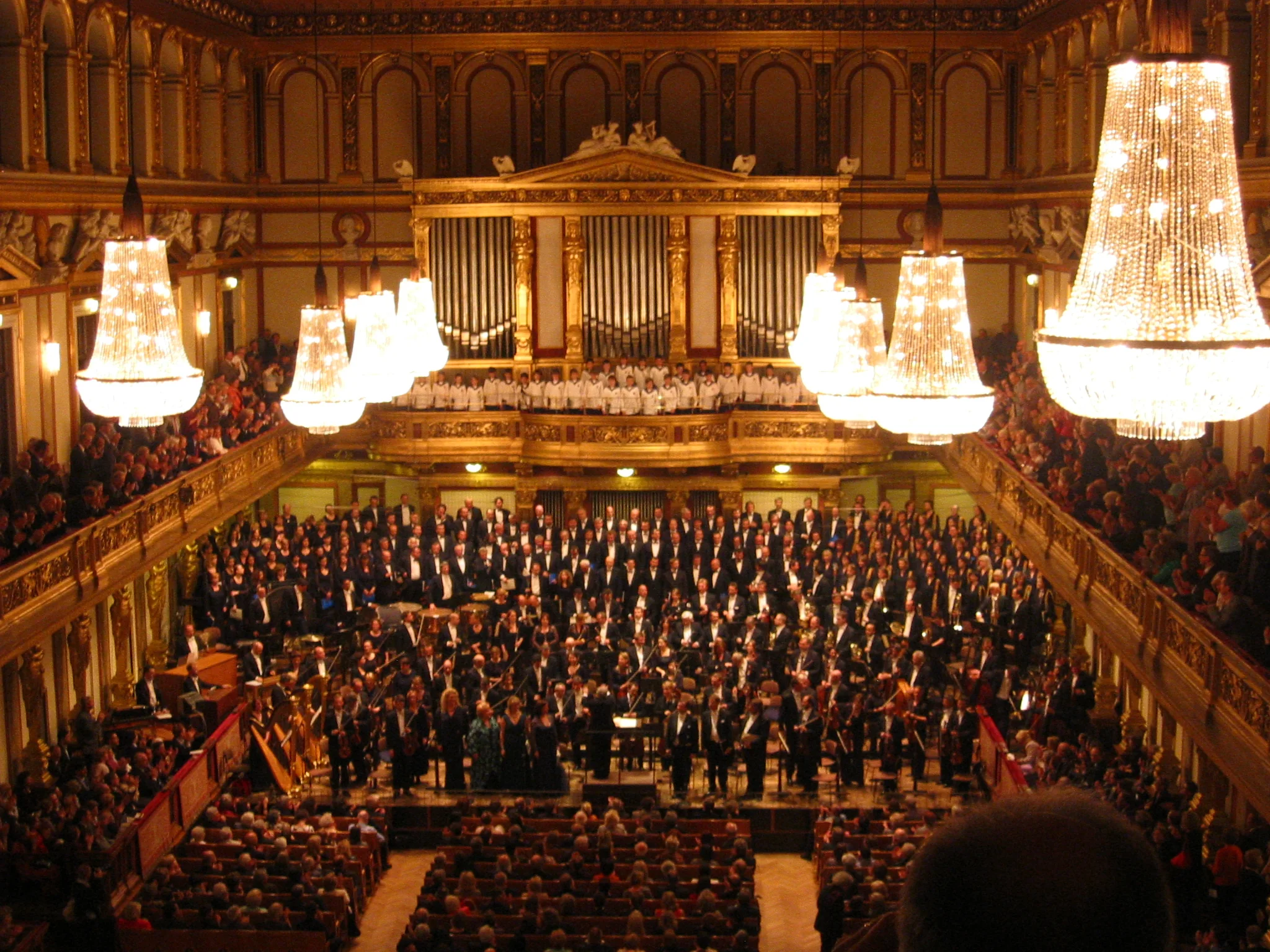
Image from Wikipedia
Image from Wikipedia
Staatskapelle Berlin
Staatskapelle Berlin: A Sound Body with 450 Years of History, Present, and Artistic Brilliance
The Staatskapelle Berlin is one of the oldest and most prestigious orchestras in the world. Its history dates back to 1570; since 1742, it has been associated with the Staatsoper Unter den Linden and continues to shape the musical life of Berlin today with opera, ballet, and symphonic music. This orchestra connects courtly origins with a modern artistic identity that sets standards in both international concert life and on the opera stage. ([en.wikipedia.org](https://en.wikipedia.org/wiki/Staatskapelle_Berlin))
What makes the Staatskapelle Berlin so fascinating is the rare combination of historical depth and current presence. The ensemble works convincingly across a large repertoire as well as in the specifically Berlin opera culture and has established itself over the past few decades as a group with a distinctive sound tradition. In 2024, Christian Thielemann took over as General Music Director, a transition that continues the artistic continuity at the highest level. ([en.wikipedia.org](https://en.wikipedia.org/wiki/Staatskapelle_Berlin))
From Court Orchestra to World Orchestra
The roots of the Staatskapelle Berlin lie in 16th-century Brandenburg court music. From the original court orchestra, it evolved over the centuries into an orchestra that initially performed in court contexts and later became the central music organ of a growing metropolis. With the renaming to Royal Prussian Court Orchestra and the gradual opening to public concert life, the focus shifted from representation to artistic public engagement. ([en.wikipedia.org](https://en.wikipedia.org/wiki/Staatskapelle_Berlin))
The first concert performance for a wider audience took place in 1783, conducted by Johann Friedrich Reichardt. In the 19th century, the significance of the ensemble grew significantly when Giacomo Meyerbeer, as Kapellmeister, initiated the first subscription concert series, and the orchestra premiered works by Richard Wagner, Felix Mendelssohn, and Otto Nicolai. This early connection between opera, concert, and musical innovation still forms the foundation of the Staatskapelle Berlin today. ([en.wikipedia.org](https://en.wikipedia.org/wiki/Staatskapelle_Berlin))
An Artistic Line Defined by Great Conductors
The history of the Staatskapelle Berlin is closely linked with prominent conducting personalities. Richard Strauss, Erich Kleiber, Herbert von Karajan, Otmar Suitner, and Daniel Barenboim shaped the ensemble over decades and have formed its sound aesthetics. Since 2024, Christian Thielemann has continued this line as General Music Director; at the same time, Daniel Barenboim was appointed Honorary Chief Conductor in 2024, and in 2026, Sir Simon Rattle was also awarded the title of Honorary Conductor. ([en.wikipedia.org](https://en.wikipedia.org/wiki/Staatskapelle_Berlin))
This continuity is what makes the Staatskapelle Berlin so exciting for music lovers. It not only represents historical authority but also a vibrant culture of interpretation, where repertoire maintenance, sound identity, and stylistic precision come together. Today, under Thielemann, the orchestra performs large opera cycles, symphonic evenings, and special programs, showcasing the extraordinary range of this ensemble. ([staatsoper-berlin.de](https://www.staatsoper-berlin.de/en/programme/hello25-26/))
Current Season, New Emphases, and Lively Presence
The 2025/26 season under Christian Thielemann focuses on major works of the repertoire and prominent dramaturgical lines. The program includes Wagner's Ring Cycle, Alban Berg's Wozzeck, Richard Strauss’ Der Rosenkavalier and Die schweigsame Frau, as well as the concert for Good Friday featuring Brahms’ Ein deutsches Requiem. Additionally, several symphony concerts, the New Year’s concert, and the open-air format Staatsoper für alle at Bebelplatz are on the agenda. ([staatsoper-berlin.de](https://www.staatsoper-berlin.de/en/programme/hello25-26/))
The 2026/27 season is already prominently announced on the official website. This portrays the Staatskapelle Berlin not merely as an archive of its past but as a highly active institutional sound body that unites opera production, concert life, and education in a densely structured season. Thus, the orchestra remains visibly, audibly, and programmatically relevant at the center of Berlin's musical life. ([staatskapelle-berlin.de](https://www.staatskapelle-berlin.de/de/))
Discography, Recordings, and Documented Sound History
The discography of the Staatskapelle Berlin reflects its extraordinary historical depth. Deutsche Grammophon released a 15-disc selection in 2020 to celebrate the 450th anniversary, compiling recordings from around 100 years of orchestral history. The edition not only showcases great conducting personalities but also spans the stylistic range of the ensemble from Viennese Classicism to high and late Romanticism as well as early modernism. ([deutschegrammophon.com](https://www.deutschegrammophon.com/en/artists/diverse-kuenstler/news/staatskapelle-berlin-celebrating-450-years-258500))
Documented repertoire focuses include Beethoven, Schubert, Brahms, Bruckner, Mahler, Richard Strauss, Reger, Schoenberg, Paul Dessau, and especially Wagner in the opera field. These recordings demonstrate how deeply the Staatskapelle Berlin has engaged with a specific German and Central European sound tradition over generations. The orchestra's connections with labels such as Deutsche Grammophon, Teldec, and Decca further underline its international discography. ([deutschegrammophon.com](https://www.deutschegrammophon.com/en/artists/diverse-kuenstler/news/staatskapelle-berlin-celebrating-450-years-258500))
Critical Reception and Artistic Standing
Music critics regularly describe the Staatskapelle Berlin as an ensemble of exceptional musical authority. Reports on concerts and recordings often highlight the depth of sound, the rhetorical tension of interpretations, and the sovereign balance between orchestral power and chamber music clarity. Particularly in repertoire fields such as Bruckner, Beethoven, and Wagner, the orchestra is considered a reference point. ([gramophone.co.uk](https://www.gramophone.co.uk/classical-music-news/article/daniel-barenboim-to-step-down-from-the-staatsoper-berlin?utm_source=openai))
The award for “Best Orchestra” at the OPER! AWARDS 2026 also confirms this status institutionally. Such honors illustrate that the Staatskapelle Berlin is not only historically significant but also continues to be one of Europe’s style-defining sound bodies in current musical activity. Its authority is built on tradition but also on a vibrant presence that consistently combines repertoire maintenance with artistic demands. ([staatskapelle-berlin.de](https://www.staatskapelle-berlin.de/de/))
Style, Sound Culture, and Cultural Influence
The style of the Staatskapelle Berlin is characterized by a dark, noble sound color, precise articulation, and great flexibility in both opera and concert halls. This sound culture did not emerge overnight but through a long institutional development where courtly origins, opera tradition, and symphonic practice intertwine. The orchestra therefore possesses a rare ability to illuminate monumental scores with historical depth and sonic discipline. ([en.wikipedia.org](https://en.wikipedia.org/wiki/Staatskapelle_Berlin))
The cultural influence of the Staatskapelle Berlin extends far beyond Berlin. Through performances at the BBC Proms, complete cycle performances, and internationally recognized tours, the orchestra has solidified its position as an ambassador of German musical tradition. At the same time, members engage in the "Orchestra of Change," signaling a commitment to ecological responsibility and societal relevance. ([en.wikipedia.org](https://en.wikipedia.org/wiki/Staatskapelle_Berlin))
Musical Development Between Tradition and Present
The musical development of the Staatskapelle Berlin can be understood as a continuous refinement. From the court orchestra of the Hohenzollerns to the Prussian State Opera and to the current orchestra at the Staatsoper Unter den Linden, a sound body has formed that understands historical authenticity not in a museal but in a productive manner. Particularly, the maintenance of the German core repertoire here is not a withdrawal but a vibrant artistic process. ([en.wikipedia.org](https://en.wikipedia.org/wiki/Staatskapelle_Berlin))
The founding of the Academy in 1997 also shows that the Staatskapelle Berlin is actively securing its future. Promoting young talent, passing on orchestral culture, and work on musical precision are now just as much part of the ensemble's identity as major premieres and concert evenings. In this connection of tradition, training, and current stage presence lies the true greatness of the orchestra. ([staatskapelle-berlin.de](https://www.staatskapelle-berlin.de/de/?utm_source=openai))
Conclusion: Why the Staatskapelle Berlin Remains So Fascinating
The Staatskapelle Berlin is an orchestra with history, character, and international radiance. Its allure lies in the blend of centuries-old tradition, sonic sophistication, significant discography, and current season work at the highest level. Those who want to understand how European orchestral culture develops between opera, concert, and historical responsibility will find one of the most impressive examples here. ([en.wikipedia.org](https://en.wikipedia.org/wiki/Staatskapelle_Berlin))
Especially live, this ensemble unfolds its full impact: in the grand arcs of Brahms and Bruckner, in the dramatic approach to Wagner and Strauss, in the precision of modern opera scores. The Staatskapelle Berlin remains a sound body that one should not only know but experience. A concert or an opera performance with this orchestra is one of those musical moments that resonate long after. ([staatskapelle-berlin.de](https://www.staatskapelle-berlin.de/de/))
Official Channels of Staatskapelle Berlin:
- Instagram: https://www.instagram.com/staatsoperberlin
- Facebook: https://www.facebook.com/staatsoper
- YouTube: https://www.youtube.com/user/StaatsoperUdL
- Spotify: No official profile found
- TikTok: https://www.tiktok.com/@staatsoperberlin