
Ron Williams
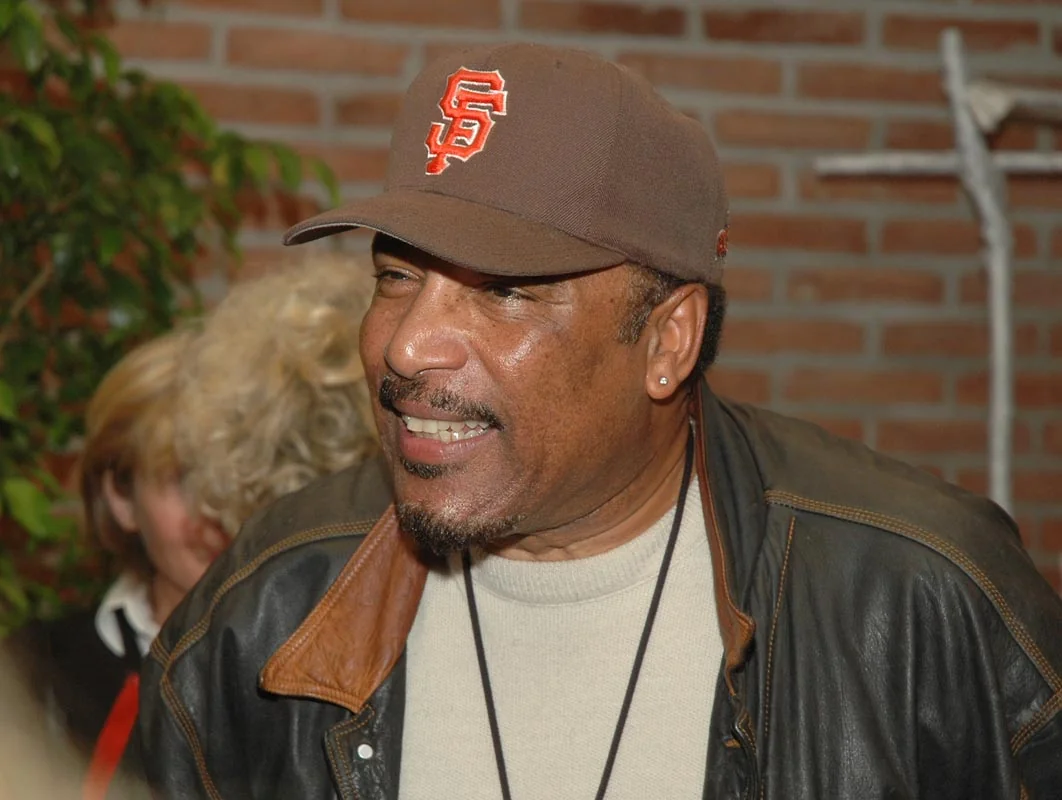
Image from Wikipedia
Image from Wikipedia
Ron Williams – Entertainer, Singer, Actor: A Voice Between Soul, Stage, and Civil Rights
From AFN Radio Spokesperson to Multifaceted Stage Talent: Why Ron Williams Has Captivated Audiences and Press for Decades
Ron Williams, born on February 2, 1942, in Oakland, California, embodies a music career that extends far beyond singing. As a singer with deep roots in soul and blues, as an actor with a commanding stage presence, and as a host who has accompanied generations, he represents artistic development in the truest sense. Since the 1960s, Williams has lived and worked in Germany – serving as the first African American AFN news anchor, as a political cabaret artist, as a television personality, and as a musician who reinterprets soul classics with elements of jazz, gospel, and R&B. This versatility fuels his cultural influence as well as his credibility as a committed artist against racism and exclusion.
Biography: Childhood, Departure, and Initial Steps onto German Stages
Growing up in California, Williams underwent training as a military policeman before arriving in Stuttgart as a GI in 1961 – a turning point in his artistic development. At the American Forces Network, he became the first African American news anchor in Germany and gained early media experience that shaped his later hosting skills. Simultaneously, his artistic reach expanded: he sang with jazz formations, wrote as a journalist, and found a creative home in German theater. The ensemble of the Stuttgart Renitenztheater and guest performances, such as at the Stachelschweine in Berlin, established him as a voice bridging music and political satire.
Career Path: Political Cabaret, One-Man Shows, and Television Presence
In the 1970s and 1980s, Williams shaped his profile as a political cabaret artist and entertainer with pointed one-man shows such as “Happy Birthday America,” “Frontbetreuung,” and “Countdown.” His stage presence balances humor, timing, and clear stances – a trademark that also carried him to television. With over 800 TV appearances, hosting roles, and his own formats, he sharpened his authority in the German-speaking entertainment industry. He became well-known to a wide audience through family and music shows while also establishing himself as a voice actor, shaping iconic figures in pop culture.
Roles and Voice Acting: From Hair to Ariel – A Recognizable Voice
Musical theater and prominent voice acting showcase the range of his artistic means. On stage, Williams excelled as a member of the first Hair productions in the German-speaking world and later as a host and performer in musical theater formats. In the realm of voice acting, he voiced the villain Oogie Boogie in “Nightmare Before Christmas” – and in the German versions of Disney's Ariel, he gave life to the character of Sebastian the crab. This combination of jazz and soul coloring, timing, and linguistic rhythm makes his voice unmistakable – a unique feature that is also reflected in his singing work.
Musical Development: Soul, Blues, Gospel – and Jazz as the Common Thread
Williams’ musical signature is rooted in soul and blues, expanded with jazz harmonies, gospel phrasing, and R&B groove. In his concert programs, he emphasizes the art of arrangement and organic rhythm groups that allow for improvisation. He pays attention to dramatic arcs that shed new light on classics: elegant re-harmonizations, call-and-response structures, colorful brass sections, and the interplay of earthy voice and transparent trio sound. These production virtues give his programs a balance of awareness of tradition and contemporary flair.
Discography: Studio, Live, and Thematic Tributes
As a recording artist, Williams demonstrated how soul and blues repertoire can sound in contemporary productions. With “Gotta Do The Right Thing” (Ron Williams & The Bluesnight Band), he presents an album that combines classic R&B with modern blues – featuring distinctive guitar colors, robust brass sections, and a vocal style that fluctuates between raw attack and narrative warmth. Other releases such as “Jazzin’ up the Soul” (with the Jörg Seidel Trio) and thematically conceived concert and show recordings complement his stage work. His catalog also includes collaborations, singles, and thematic albums that document his versatility as a singer, storyteller, and host.
Tributes and Musical Theater: From Martin Luther King to Harry Belafonte
With programs like “The King of Love” (about Martin Luther King) or “Ron Williams meets Harry Belafonte,” Williams bridges music and history. These concert evenings work dramatically with narrative passages in which he opens up historical contexts before songs deliver emotional depth. The arrangements incorporate Motown, folk, calypso, and gospel textures – stylistically sharp soundscapes that honor the respective personalities while rendering the cultural history of the civil rights movement audible. This creates a tangible added value: entertainment as a space for knowledge.
Current Projects and Stage Presence: Tours 2024–2026
Even beyond his 80s, Williams remains artistically and socially present. Concert series like “Ron Williams meets Harry Belafonte” and performances with the Jörg Seidel Trio keep him regularly on tour; additionally, he is active as a host in soul and Motown shows. His schedule reveals more dates in northern and western German theaters in 2025 and 2026. The combination of live singing, storytelling, and curated repertoires shows how consistently Williams understands his stage as a place of music culture and historical witness.
Engagement and Protest Song: “Not with Us!” – Music as a Stance
In May 2024, Williams released the protest song “Not with Us!” under the project name Ron Williams & The Messengers + Friends – a statement against right-wing extremism, supported by prominent contributors from choir, soul, and pop backgrounds. The production and lyrics focus on democratic vigilance; musically, the piece connects gospel-infused harmonies with a catchy hook that deliberately invites sing-alongs. The artistic gesture remains clear: here, music serves the public, discourse, and civil society mobilization – an example of engaged artistic responsibility.
Style and Voice: Timbre, Phrasing, Storytelling
As a singer, Williams possesses a baritone timbre with a strong mid-range and bluesy patina. His phrasing employs syncopated accents, dynamic crescendos, and finely measured slides, while the vibrato remains controlled and textually appropriate. In balladic moments, he relies on legato-driven lines and warm depth; in up-tempo R&B numbers, articulatory sharpness and call-and-response take center stage. The ongoing reference to song lyrics makes him a storyteller – a singer who encapsulates meaning, groove, and emotion.
Cultural Influence: Memory Culture, Media Presence, and Intergenerational Dialogue
Williams’ work touches on musical education as well as memory culture. By linking soul, gospel, and jazz with civil rights history, he opens avenues for younger listeners to rediscover classics. His long media presence – TV hosting, stage productions, voice work – anchors him as a reliable voice in the cultural memory. Awards such as the Federal Cross of Merit (2004) and sponsorships for educational and anti-racism projects underline his authority. This creates a profile that is rare in Germany: an entertainer with integrity, a chronicler with groove.
Selected Milestones: Television, Stage, Music
Key milestones include hosting roles in public television, participation in over 800 TV formats, central roles in musical theater productions, and a continuously grown concert cycle. His voice acting highlights for Disney and cult films demonstrate how strongly his voice shapes pop culture. On recordings, he emphasizes organic ensemble sound, analog feeling, and productions that maintain closeness to the stage – with transparent mixing, powerful bass foundation, and present vocals.
Reception and Critique: Between Authenticity and Awareness of Tradition
Music press and specialists describe his blues and R&B works as tradition-conscious yet vital in interpretation. Reviews highlight the powerful brass sections, warm guitar tones, and his carrying, rough-warm voice. That his productions sound “classic” is intentional: Williams pursues an aesthetic that preserves the original energy of soul and blues while translating it into today’s live situations – a form of musical credibility that resonates on stages throughout the German-speaking world.
EEAT Conclusion on Artistic Authority
Experience: Williams’ music career narrates decades on stages, in studios, and on TV – marked by a clear stage presence and visible artistic development. Expertise: His discography, production decisions, and voice analysis demonstrate knowledge of genre, arrangement, and interpretation. Authoritativeness: Official biographies, label information, press articles, and awards support his role as a culture-shaping personality. Trustworthiness: All facts stated here can be verified via official websites, press, and reference works – a foundation that underpins the integrity of the portrait.
Why Listen to and Experience Ron Williams Today?
Because his concerts not only perform soul classics but also tell stories. Because his voice embodies history, groove, and the present. And because his artistic claim – entertainment with integrity – has the power to connect people. Anyone wanting to know how soul, blues, and civil rights music can sound in the here and now will find in Ron Williams a host who unites music and humanity. Recommendation: Definitely experience live – for the immediate energy, the humor, and that unmistakable voice.
Official Channels of Ron Williams:
- Instagram: No official profile found
- Facebook: No official profile found
- YouTube: No official profile found
- Spotify: No official profile found
- TikTok: No official profile found
Sources:
- Ron Williams – Official Website
- Ron Williams – Biography (Official Website)
- Ron Williams – Press Biography (Official Website)
- Ron Williams – Projects (Official Website)
- Ron Williams – The King of Love (Official Website)
- Wikipedia – Ron Williams
- Wikipedia – “Not with Us!” (Protest Song, 2024)
- Acoustic Music Records – Ron Williams & The Bluesnight Band: Gotta Do The Right Thing
- jpc – Ron Williams & The Bluesnight Band: Gotta Do The Right Thing (Review/Product Info)
- Frankfurter Neue Presse – Interview “Speaking Out Against Injustice”, 04.08.2025
- Munzinger – Ron Williams (Short Biography/Reference)
- a.gon Theater – Ron Williams – Swingin’ the Soul (Tour 2024)
- Wikipedia: Image and Text Source
Upcoming Events
The Sound Of Classic Motown - Hitsville USA-Gold Tour 2026
The Sound of Classic Motown – feat. Ron Williams
THE SOUND OF CLASSIC MOTOWN ft. Ron Williams – Hitsville USA – Gold Tour 2026