
Necati Öziri
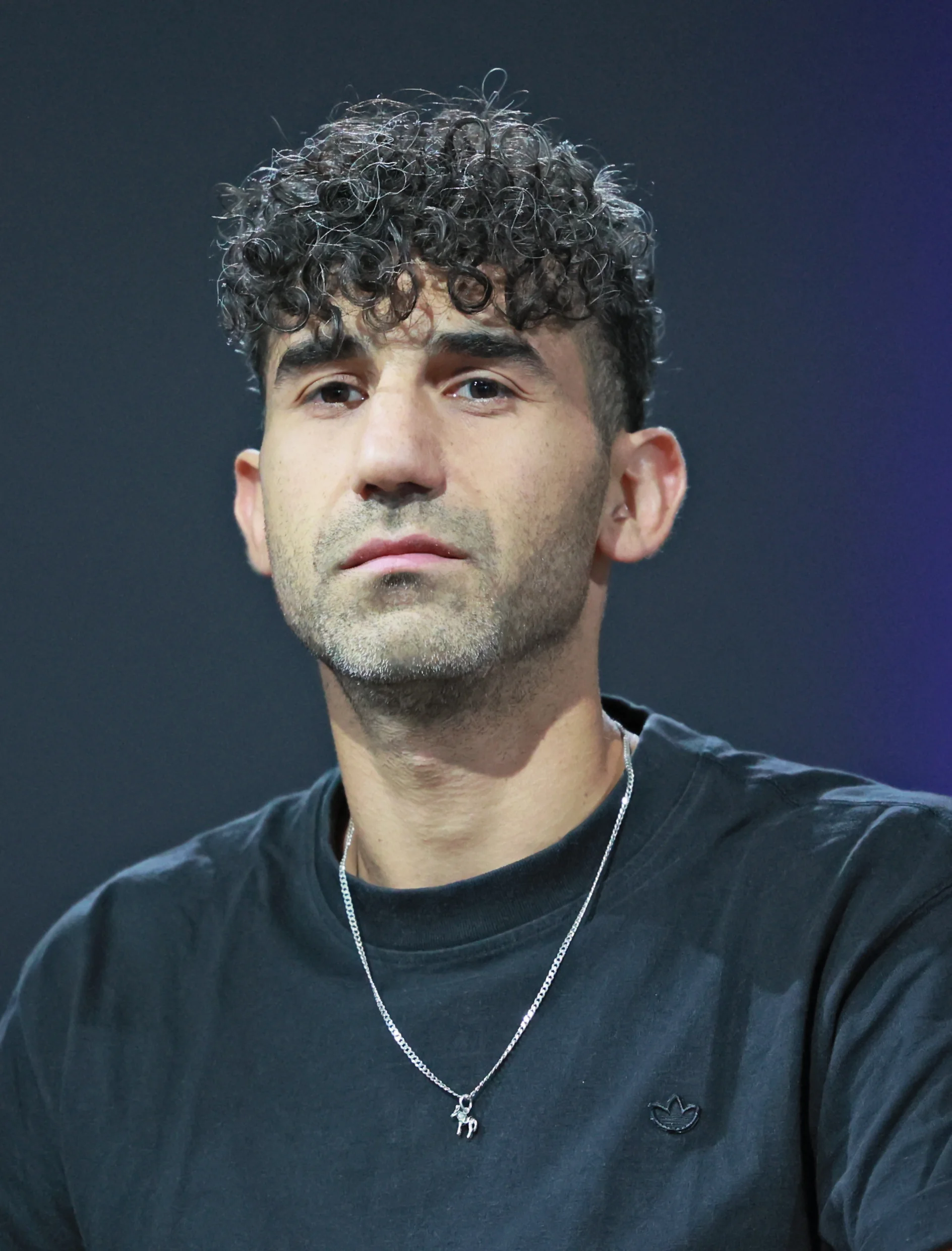
Image from Wikipedia
Image from Wikipedia
Necati Öziri – A Powerful Literary Voice Between Stage, Memory, and Present
An author and dramaturg who challenges the canon and reinterprets stories
Necati Öziri is one of the most distinctive literary voices of his generation. Born in 1988 in Datteln, shaped by the Ruhr area, and educated in Bochum, Istanbul, and Berlin, he combines analytical sharpness with a clear, emotional narrative stance in his work. As a writer and dramaturg, he initially made a name for himself in the theater before his debut novel Vatermal led him to the shortlist for the German Book Prize in 2023. ([rowohlt-theaterverlag.de](https://www.rowohlt-theaterverlag.de/wrighter/3196207.html))
Biographical Roots: Ruhr Area, Studies, and the Path to Theater
Öziri grew up in the Ruhr area and studied philosophy, German studies, and contemporary German literature in several places, including Bochum, Istanbul, Olsztyn, and Berlin. This academic breadth is reflected in his work: He thinks of literature not just as text, but as a space for perspectives, questions of power, and societal friction. Early on, he found in theater a form where language, conflict, and the present intersect directly. ([rowohlt-theaterverlag.de](https://www.rowohlt-theaterverlag.de/wrighter/3196207.html))
His development as an author is closely linked to theater practice. As a dramaturg, he worked at the Berliner Maxim-Gorki-Theater and became a voice that does not merely update classical material but fundamentally questions it. His work in theater has shaped his artistic signature: precise, political, linguistically aware, and always aimed at bringing hidden figures to the forefront. ([rowohlt-theaterverlag.de](https://www.rowohlt-theaterverlag.de/wrighter/3196207.html))
The Breakthrough: From Early Theater Texts to Award-Winning Prose
His first play Vorhaut was created in 2014 in co-authorship, before Öziri stepped more strongly into the spotlight with his own plays. Especially Get Deutsch or Die Tryin’ from 2017 drew attention because the play put young people with migration backgrounds at its center, thereby making a political and social focal point of contemporary German literature and stage art visible. The production at the Maxim-Gorki-Theater marked an important step in his artistic development. ([hs-rm.de](https://www.hs-rm.de/presse-und-oeffentlichkeit/pressemitteilung/25-jahre-poetikdozentur-necati-oeziri-uebernimmt-jubilaeumsausgabe))
With Vatermal, Öziri finally bridged his theater work with prose. The novel was published in 2023 by Claassen and was shortlisted for the German Book Prize the same year. Reviews and portraits particularly emphasized how skillfully he navigates between academic reflection, street language, and emotional directness. This ability lends his literature a rare tension: intellectually precise and yet readily readable. ([swr.de](https://www.swr.de/swrkultur/literatur/vatermal-necati-oeziri-erzaehlt-vom-aufwachsen-in-deutschland-swr2-vor-ort-2024-01-19-100.html))
Vatermal: A Debut Novel with Great Emotional Impact
Vatermal tells the story of family, origins, loss, and belonging. At its center is Arda, who grows up with his mother and sister in the Ruhr area while the father returns to Turkey early on. The work takes on a theme that recurs throughout Öziri's writing: the question of who tells the story, who is absent, and which voices have been overlooked for too long in the cultural memory. ([swr.de](https://www.swr.de/swrkultur/literatur/vatermal-necati-oeziri-erzaehlt-vom-aufwachsen-in-deutschland-swr2-vor-ort-2024-01-19-100.html))
The novel emerges from the theatrical text Get Deutsch or Die Tryin’ and transforms its conflict material into a dense, literary form. The narrative does not remain at the biographical surface but opens up larger questions of identity, illness, family, and social exclusion. This is where Öziri's strength lies: He connects personal stories with structural analyses without losing the emotional core. ([swr.de](https://www.swr.de/swrkultur/literatur/vatermal-necati-oeziri-erzaehlt-vom-aufwachsen-in-deutschland-swr2-vor-ort-2024-01-19-100.html))
Style and Artistic Signature: Rewriting Instead of Reproducing
Öziri understands literature and theater as places of correction. At the Goethe-Institut, he described his working method as a conscious engagement with canonical texts, which he questions anew due to sexism, racism, or other problematic aspects. He reads the canon not with reverence but in a productively contradictory manner: As an author, he is interested in what texts tell us today, how they organize power, and which figures have been marginalized until now. ([goethe.de](https://www.goethe.de/prj/vor/de/auf/nec.html))
This attitude makes his texts so contemporary. Rather than merely delivering modern versions, Öziri rewrites stories to make forgotten perspectives visible. His work is thus not only literary but also culturally critical relevant: it questions authority and expands the space of what can be told on German-speaking stages and in prose. ([goethe.de](https://www.goethe.de/prj/vor/de/auf/nec.html))
Stage Presence, Dramaturgy, and Work at Major Institutions
As a dramaturg and author, Necati Öziri is closely associated with renowned stages. In addition to the Berliner Maxim-Gorki-Theater, his works have also been performed at other important houses such as Schauspielhaus Zürich and Nationaltheater Mannheim. This institutional anchoring speaks to his authority in the German-speaking theater scene and shows that his plays are not only discussed but also sustainably performed. ([rowohlt-theaterverlag.de](https://www.rowohlt-theaterverlag.de/wrighter/3196207.html))
During the winter semester 2024/25, he took over the joint poetics professorship of Hochschule RheinMain and the Wiesbaden Cultural Office. This is more than just an accolade: it points to his role as a mediator between literature, theory, and the public. Experiencing Öziri means encountering an author who does not just write but an artist who stimulates thought movements and draws the audience into the process of reading and questioning. ([hs-rm.de](https://www.hs-rm.de/presse-und-oeffentlichkeit/pressemitteilung/25-jahre-poetikdozentur-necati-oeziri-uebernimmt-jubilaeumsausgabe))
Awards and Reception: Recognition by Jury, Press, and Institutions
The most significant milestone in the public perception of Necati Öziri to date is the shortlist for the German Book Prize 2023 for Vatermal. This nomination made him visible to a broad literary audience and confirmed the literary relevance of his debut. In 2024, he received the Literature Prize Ruhr for his novel debut, further solidifying his position as a significant author with a connection to the Ruhr area. ([hs-rm.de](https://www.hs-rm.de/presse-und-oeffentlichkeit/pressemitteilung/25-jahre-poetikdozentur-necati-oeziri-uebernimmt-jubilaeumsausgabe))
The press reacted attentively to this development. The FAZ portrayed him as an author who masters the balancing act between academic discourse and street slang, while SWR Kultur framed the conversation about Vatermal as an insight into a work that tells of growing up in Germany, family, and a torn experience of origin. The Deutsche Bühne also highlighted the stage adaptation of Vatermal in 2025, demonstrating that the material has now independently continued to live on theater schedules. ([faz.net](https://www.faz.net/aktuell/feuilleton/buecher/adorno-alter-der-schriftsteller-necati-oeziri-im-portraet-19410945.html))
Current Projects and Literary Presence 2024/2025
Öziri remained present in 2024 and 2025. In Wiesbaden, he was active as a poetics professor and spoke there about his theater work, particularly about his play Die Verlobung in St. Domingo – ein Widerspruch, in which he reads Heinrich von Kleist's template in an anti-racist and anti-sexist way. This work illustrates how consistently he understands the engagement with classics as a contemporary intervention. ([wiesbaden.de](https://www.wiesbaden.de/pressemitteilungen/pressereferat/2025/februar/141010100000478758?utm_source=openai))
Additionally, there were further stage references around Vatermal, which was brought to the stage in 2025 in cities including Cologne and Berlin. This shows that Öziri is not just an author of a single success, but an artist whose texts continue to resonate in various formats. The dynamics between novel, play, and production give his work an unusual reach. ([die-deutsche-buehne.de](https://www.die-deutsche-buehne.de/kritiken/eine-tolle-theaterfamilie/?utm_source=openai))
Cultural Influence: Between Migration Experience, Canon Critique, and Contemporary Literature
Öziri's work is firmly rooted in debates about origin, representation, and cultural participation. His texts speak of migration experiences without being limited to them; they show how family stories are intertwined with societal power structures. It is precisely because of this that his literature possesses high cultural value: It is simultaneously personal, political, and formally reflective. ([goethe.de](https://www.goethe.de/prj/vor/de/auf/nec.html))
His influence also lies in the fact that he does not treat classical materials in a museum-like manner but translates them into contemporary language. This makes his work relevant for theater houses, the literary scene, and the audience alike. Öziri represents a writing style that does not reduce complexity but makes it visible – and therein lies the sustainable strength of his artistic development. ([goethe.de](https://www.goethe.de/prj/vor/de/auf/nec.html))
Conclusion: Why Necati Öziri Remains So Exciting
Necati Öziri combines dramaturgy, literary precision, and social analysis into a distinctive voice. His career demonstrates how strong prose can arise from theater work, impressing both the feuilleton and the audience. Those interested in contemporary German-language literature, innovative narrative forms, and insightful canon critique will find in him an author of extraordinary relevance. Experiencing him live means encountering literature as both a space for thought and an emotional experience. ([hs-rm.de](https://www.hs-rm.de/presse-und-oeffentlichkeit/pressemitteilung/25-jahre-poetikdozentur-necati-oeziri-uebernimmt-jubilaeumsausgabe))
Official Channels of Necati Öziri:
- Instagram: No official profile found
- Facebook: No official profile found
- YouTube: No official profile found
- Spotify: No official profile found
- TikTok: No official profile found
Sources:
- Wikipedia – Necati Öziri
- Rowohlt Theater Verlag – Necati Öziri
- Hochschule RheinMain – 25 Years of Poetics Professorship: Necati Öziri Takes Over Anniversary Edition
- Goethe-Institut – Necati Öziri, #Vorzeichen
- SWR Kultur – Vatermal: Necati Öziri Tells About Growing Up in Germany
- Frankfurter Allgemeine Zeitung – Adorno, Age! The Writer Necati Öziri Portrayed
- City of Wiesbaden – Reading and Conversation with Wiesbaden Poetics Professor Necati Öziri
- Regionalverband Ruhr – Grand Prize for Necati Öziri, Literature Prize Ruhr 2024
- Die Deutsche Bühne – Review: After Necati Öziri: Vatermal | Cologne
- Wikipedia: Image and text source