
Maximilian Brückner
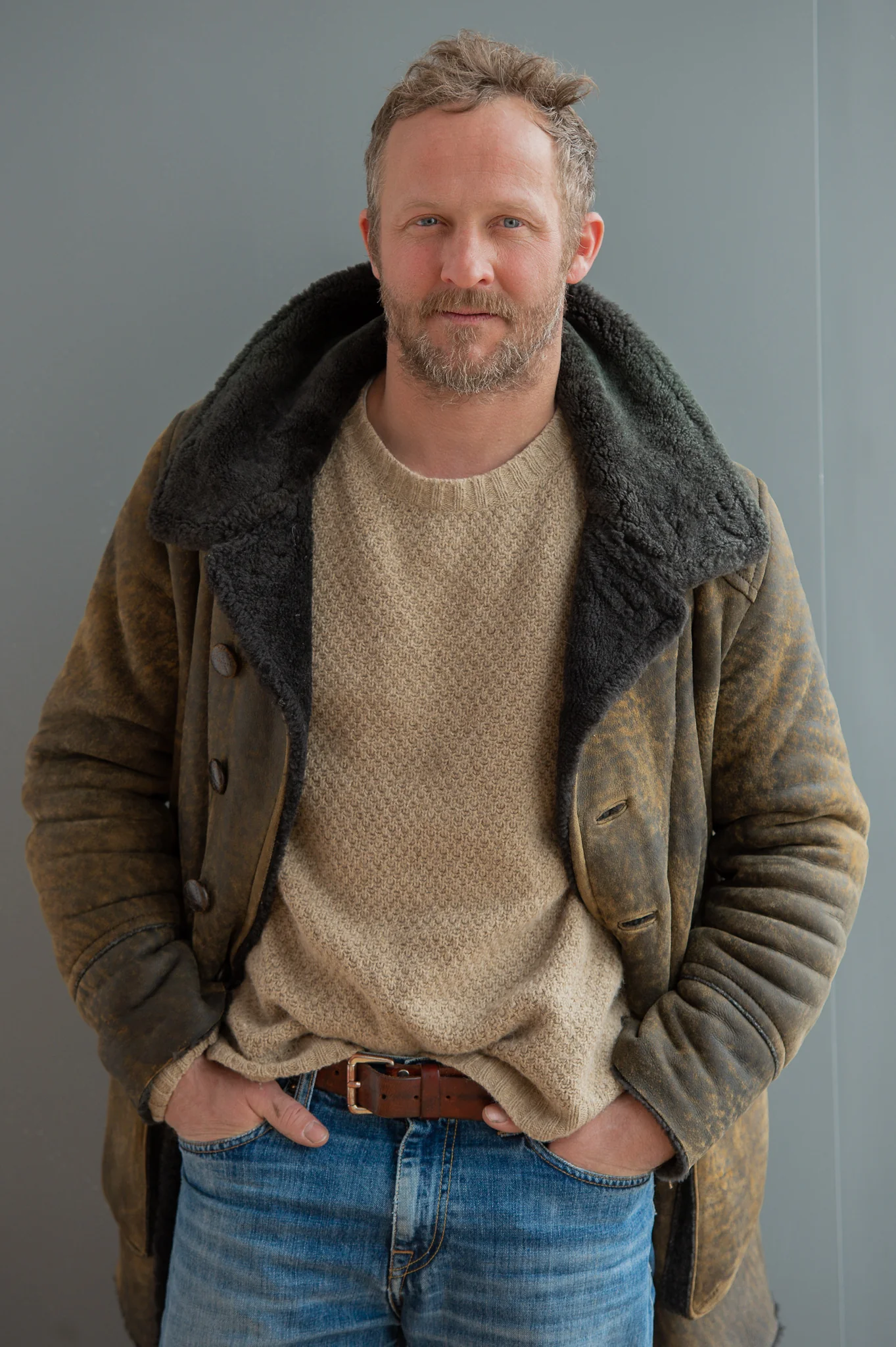
Image from Wikipedia
Image from Wikipedia
Maximilian Brückner: The Versatile Character Actor between Bavarian Grounding, TV Presence, and Cinema Format
An Actor with Presence, Precision, and Strong Regional Ties
Maximilian Brückner is among those German actors who make their mark not through effects but through substance. Born on January 10, 1979, in Munich, he developed an early profile that combines popular cultural anchoring, theatrical experience, and confident camera work. He achieved his breakthrough in 2004 as Ecki in Sherry Hormann's film comedy "Männer wie wir" before becoming a familiar face to millions as crime scene investigator Franz Kappl in "Tatort" starting in 2006. ([de.wikipedia.org](https://de.wikipedia.org/wiki/Maximilian_Br%C3%BCckner))
Biography: Munich Roots, Large Family, Early Stage Practice
Brückner grew up in a family-oriented environment and is part of a large family of actors; several of his siblings also work in this profession. This constellation early on shaped an artistic milieu that favored closeness to the stage, language, and regional storytelling tradition. In his personal life, Brückner dances Schuhplattler, plays the tuba, and lives with his family in Zenzmühle near Bad Endorf, a multi-generational house he renovated with his siblings. ([de.wikipedia.org](https://de.wikipedia.org/wiki/Maximilian_Br%C3%BCckner))
He completed his training at the Otto-Falckenberg-Schule in Munich from 2001 to 2003. Even as a student, he was selected in 2001 for the Summer Academy for Bavarian Folk Theater by Christian Stückl, indicating his early connection to linguistically and culturally grounded roles. His career began in 2002 at the Munich Volkstheater, where he performed in classics such as "Die Räuber" and "Peer Gynt," and received the Merkur Theater Prize for his role as Boandlkramer in "Brandner Kaspar." ([de.wikipedia.org](https://de.wikipedia.org/wiki/Maximilian_Br%C3%BCckner))
The Breakthrough in Film: From "Männer wie wir" to Challenging Supporting Roles
The film "Männer wie wir" brought him significant visibility on screen, where Brückner took on the leading role of football enthusiast Ecki in 2004. The film not only marked his breakthrough but also showcased how naturally he intertwines comedy, vulnerability, and mundane realism. Shortly thereafter, he took on roles that significantly broadened his range: in 2005, he portrayed Willi Graf in the Oscar-nominated film "Sophie Scholl – Die letzten Tage," a character of historical significance and moral gravitas. ([de.wikipedia.org](https://de.wikipedia.org/wiki/Maximilian_Brückner))
This early phase of his film career is remarkable because Brückner did not confine himself to a single category. He acted in comedies, historical dramas, and ensemble films without losing his authenticity. This quality made him appealing to directors searching for characters with regional profiles, inner tension, and credible presence. His Grimme Prize nomination in 2005 for his role in "Papa und Mama" underscores his recognition as a serious character actor. ([de.wikipedia.org](https://de.wikipedia.org/wiki/Maximilian_Brückner))
Television as a Platform for Broad Impact
Maximilian Brückner gained widespread recognition through television. As "Tatort" investigator Franz Kappl, he became a defining figure in Saarbrücken’s "Tatort" from 2006 onwards and thus became a staple face of German crime shows for a large audience. His investigative roles did not rely on hard poses but on a mix of down-to-earth qualities, observational skills, and controlled emotionality. ([de.wikipedia.org](https://de.wikipedia.org/wiki/Maximilian_Brückner))
Even after "Tatort," Brückner remained loyal to crime fiction without limiting himself to it. From 2015 to 2020, he starred as investigator Franz Germinger Jr. in the ZDF series "Schwarzach 23," later appearing in 2017 and 2019 as provincial mayor Alfons Zischl in "Hindafing." For "Hindafing," he received the Bavarian Television Award for Best Actor in 2018; the series was also nominated for the Grimme Award and the German Television Award in the same year. ([de.wikipedia.org](https://de.wikipedia.org/wiki/Maximilian_Brückner))
Theatrical Work, Awards, and Artistic Authority
Brückner's strength lies in the combination of theatrical discipline and cinematic economy. His time at the Munich Volkstheater and at the Salzburg Festival, where he played Mammon in "Jedermann" from 2004 to 2006, cultivated a stage presence that remains palpable even in television formats. Those who see him recognize a playing style characterized by precise language mastery, physical calmness, and a clear character structure. ([de.wikipedia.org](https://de.wikipedia.org/wiki/Maximilian_Brückner))
The awards reflect this consistent quality: in 2006, he received the Bavarian Art Promotion Award in the Performing Arts category, in 2007 he was named a Berlinale Shooting Star, and in 2019 he won the Best Actor Award for "Das schönste Paar" at the Love is Folly Festival in Bulgaria. Such accolades are not random events but mark a career built on consistency, stature, and professional acknowledgment. ([agentur-lambsdorff.com](https://agentur-lambsdorff.com/schauspieler/maximilian-brueckner/vita/))
Current Projects: Return of Familiar Formats and New Presence in 2024/2025
In 2024 and 2025, Brückner will remain notably present. A new "Kommissar Rex" series featuring him as the human investigator Max Steiner has been announced for 2025; the filming of the six feature-length episodes is set to be done in collaboration with Sat.1. The project taps into his experience with investigator roles and combines nostalgia with contemporary series craftsmanship. ([sn.at](https://www.sn.at/panorama/medien/orf-kommissar-rex-reihe-maximilian-brueckner-173737465))
Additionally, there are other productions that emphasize his versatility. In "Wunderschöner," he will once again be seen on screen in 2025, and the Munich "Tatort: Das Verlangen" was filmed in 2024 and is set for its premiere at the Festival of German Film in Ludwigshafen in 2025. These projects showcase an actor who continues to be one of the reliable faces in the German-speaking film and television landscape. ([de.wikipedia.org](https://de.wikipedia.org/wiki/Maximilian_Brückner))
Filmography and Repertoire: Between Comedy, Historical Material, and Crime
A glance at Brückner's filmography reveals the range of his repertoire. Alongside "Männer wie wir" and "Sophie Scholl – Die letzten Tage," works such as "Kirschblüten – Hanami," "Räuber Kneißl," "Gefährten," "Das schönste Paar," "Generation Beziehungsunfähig," "Wunderschön," and "Wunderschöner" stand out. This blend of comedy, drama, historical film, and auteur cinema makes him an actor who adapts flexibly to different tonalities without becoming indistinct. ([de.wikipedia.org](https://de.wikipedia.org/wiki/Maximilian_Brückner))
Particularly interesting is that Brückner often plays characters deeply rooted in a social or regional context. Whether as a policeman, mayor, family man, or historical figure, his roles carry a credible grounding that adds weight to the characters. This grounding is a significant part of his authority as an actor, as he never seems abstract but always concrete, approachable, and keenly observant. ([de.wikipedia.org](https://de.wikipedia.org/wiki/Maximilian_Brückner))
Cultural Influence: Bavarian Identity without Folklore Clichés
Maximilian Brückner represents a form of Bavarian performance that does not rely on sentimentality or caricature. His work combines regional influences with professional modernity and proves that regional connection in German acting can be a strength rather than a limitation. The tuba, Schuhplattler dancing, family history, and roles within the Bavarian narrative fabric do not feel like folklore but like organic elements of an artistic biography. ([de.wikipedia.org](https://de.wikipedia.org/wiki/Maximilian_Brückner))
This is precisely what makes his cultural value: Brückner serves as a bridge between folk theater tradition, television entertainment, and demanding contemporary cinema. He embodies characters with clear origins but without constriction, reaching an audience that appreciates credible portrayals. In a media landscape often focused on interchangeability, he remains a distinctive, recognizable, and reliable actor. ([de.wikipedia.org](https://de.wikipedia.org/wiki/Maximilian_Brückner))
Conclusion: An Actor with Integrity, Heart, and a Unique Signature
Maximilian Brückner captivates with his blend of stage strength, role diversity, and regional roots. He possesses the rare ability to remain credible in both popular crime formats and demanding film roles, and it is precisely this that fuels his enduring charm. Anyone seeking German acting that embodies character, precision, and emotional authenticity will find in him one of the most interesting representatives of his generation. A live experience in the theater or a new film role with Brückner is always worthwhile, as he does not just play characters but breathes life into them. ([de.wikipedia.org](https://de.wikipedia.org/wiki/Maximilian_Brückner))
Official Channels of Maximilian Brückner:
- Instagram: No official profile found
- Facebook: No official profile found
- YouTube: No official profile found
- Spotify: No official profile found
- TikTok: No official profile found
Sources:
Upcoming Events
A Monday of the Month - Maximilian Brückner & The Riederinger Kneißl Reading
Preview: A Munich Man in Heaven - Death is Just the Beginning