
Josef Brustmann
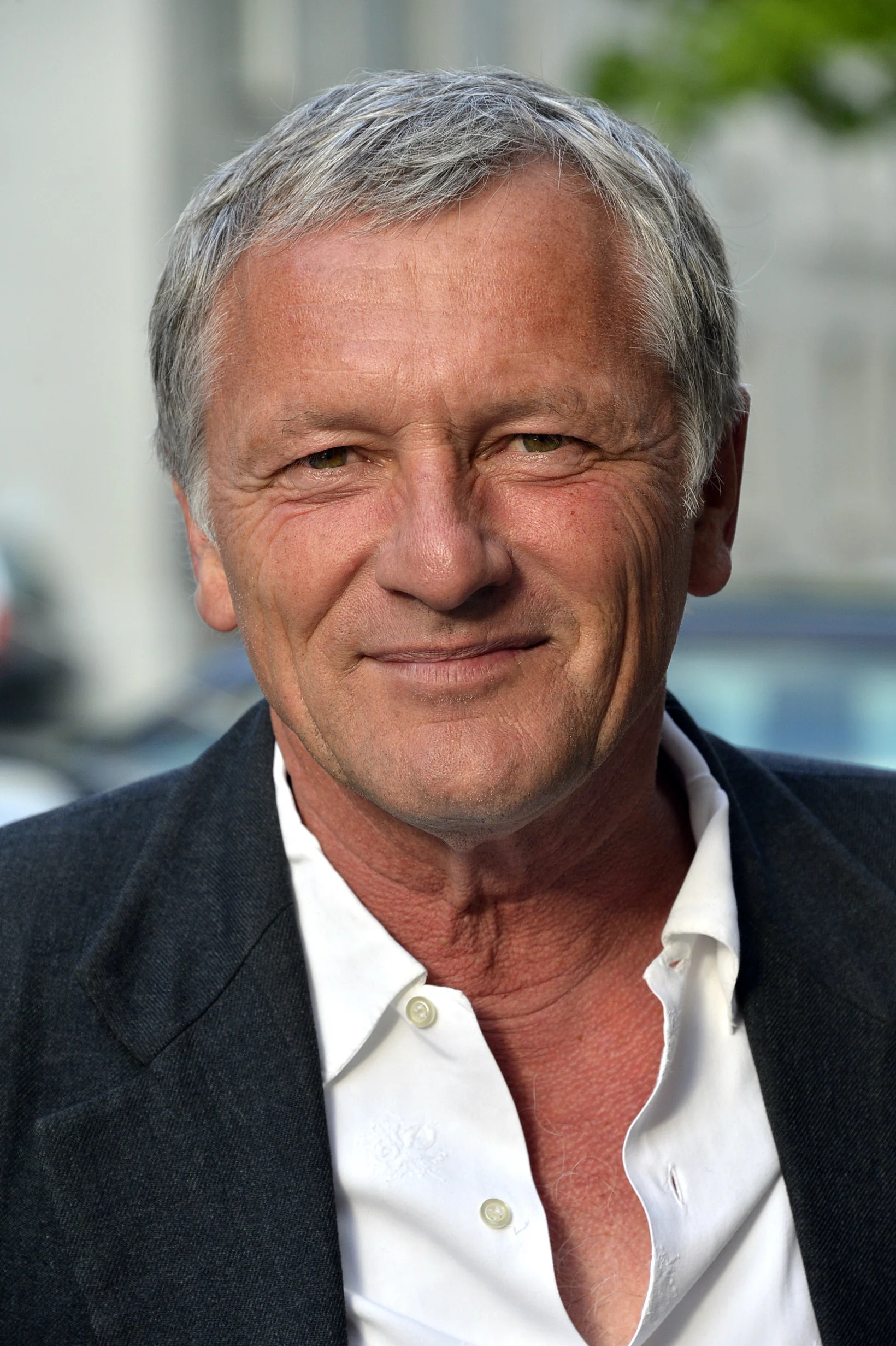
Image from Wikipedia
Image from Wikipedia
Josef Brustmann – Cabaret, Music, and Literary Depth from Bavaria
An artist between folk music, satire, poetry, and musical independence
Josef Brustmann is one of those rare German stage artists where cabaret, music, poetry, and societal observation are inseparable. Born on December 28, 1954, in Teisendorf, he grew up as the eighth of nine children in a Moravian refugee family that later settled in Waldram near Wolfratshausen. His artistic biography is marked by early musical influences, instrumental versatility, and a life path that took him from music teacher to celebrated solo cabaret performer, poet, and musician. ([de.wikipedia.org](https://de.wikipedia.org/wiki/Josef_Brustmann))
Those who wish to experience Josef Brustmann will not encounter a smoothly polished mainstream entertainer but rather a storyteller with a sharp eye, warm humor, and a fine sense of breaks, origins, and language. His stage presence thrives on the combination of a Bavarian tone, musical authority, and a distinctive blend of irony and empathy. This creates the unique tension in his work: Brustmann is at once a folk musician and art song artist, cabaret performer and prose writer, satirist and melancholic chronicler. ([de.wikipedia.org](https://de.wikipedia.org/wiki/Josef_Brustmann))
Career Path: From a Musical Large Family to a Professional Music Career
Brustmann's artistic development begins in an environment where music was not mere decoration but part of everyday life. He learned tuba, double bass, piano, and cello, studied music at the University of Music in Munich, and initially worked for ten years as a music teacher at a Munich high school. This academic and pedagogical foundation explains both the technical confidence of his performances and the sovereignty with which he switches between arrangement, text, singing, and instrumentation. ([de.wikipedia.org](https://de.wikipedia.org/wiki/Josef_Brustmann))
Brustmann experienced his breakthrough as a stage artist in musical cabaret formats: he became known with the Bairisch Diatonischen Jodelwahnsinn, and later with the MonacoBagage. From 1993 to 2001, he shared the stage with Otto Göttler and Monika Drasch; in 2002, he became active in the MonacoBagage. This phase laid the groundwork for his later solo path, where he transformed the experience from group work, folk music, and satire into his own distinctive form. ([de.wikipedia.org](https://de.wikipedia.org/wiki/Josef_Brustmann))
The Solo Path: Cabaret, Awards, and the Art of Precision
Since August 2004, Josef Brustmann has worked as a solo cabaret performer. With his first solo program Life Behind the Moon, he won the Paulaner Solo+-Cabaret Competition in 2005, which solidified his position in the German-speaking variety arts. In the following years, he developed a stage aesthetic characterized by precise observation, musical timing, and linguistic comedy. Here, the focus is less on the mere gag and more on dramatic tension, particularly the question of how a song, an image, or a sentence can become a whole scene. ([de.wikipedia.org](https://de.wikipedia.org/wiki/Josef_Brustmann))
Critics also describe Brustmann as a distinctive voice with poetic sharpness. The Süddeutsche Zeitung characterized him as poetic and vividly philosophical, yet politically pointed; his approach to the CSU, the Church, and societal issues was described as clever word art with an eagerness to challenge. Other reports emphasize his ability to build a stage from honesty and musical biography that tells more than just entertains. This creates an image of an artist that extends far beyond the mere cabaret figure. ([sueddeutsche.de](https://www.sueddeutsche.de/muenchen/wolfratshausen/kabarett-im-kurhaus-die-freiheit-am-bandl-1.3437478?utm_source=openai))
Programs and Themes: Between Homeland, Present, and Political Wit
Brustmann's solo programs include Life Behind the Moon, Homeland Flickering, Franz Schubert – Urgently Wanted, Beautiful Land in Sight, I Am So Free, Fox Meeting – Not for Cowards, and Life is Short – Buy the Red Shoes!. Even the titles reveal the breadth of his oeuvre: at his core, homeland is not glorified but questioned; the history of music intersects with contemporary commentary; humor meets existential experience. This range makes his programs equally interesting for a cabaret audience as for listeners with an appreciation for literary subtleties. ([de.wikipedia.org](https://de.wikipedia.org/wiki/Josef_Brustmann))
This attitude becomes particularly clear in his current formats and projects. The official website lists dates for readings, solo shows, and the Brustmann-Schäfer-Horn project for 2025 and 2026, including Isara Rapidus, Life is Short, Best Of, and Christmas Goose. At the same time, the site features media reports and reviews from 2023 and 2024, including contributions from BR, Bayern 2, Süddeutsche Zeitung, Münchner Merkur, and Abendzeitung, which underscores the artist's ongoing presence in Bavarian culture. ([josef-brustmann.de](https://josef-brustmann.de/?utm_source=openai))
Musical Development and Stylistic Signature
Brustmann's style is drawn from an unusually broad musical reservoir. He works with zither, guitar, piano, bass, and voice, navigating between ballad, folk, rock’n’roll, Bavarian elegy, and satirical precision. This openness is not random but a consistent artistic strategy: Brustmann uses musical forms as carriers of attitude, memory, and irony. ([josef-brustmann.de](https://josef-brustmann.de/?utm_source=openai))
His musical theatre works especially highlight this development. In 2006, Homeland Flickering was created for the international Alpentöne festival in Altdorf, and in 2008, Franz Schubert – Urgently Wanted followed as a co-production with harpist Maria Graf, actor Wolfgang Berger, video artist Christoph Brech, and other contributors. Such works combine composition, performance, and imagery into a musical theatre that straddles folk culture and contemporary art. ([de.wikipedia.org](https://de.wikipedia.org/wiki/Josef_Brustmann))
Discography: Albums, Collaborations, and Documented Works
Josef Brustmann's discography reflects his artistic versatility. His solo releases include Life Behind the Moon (2009), Mourning Songs for Life with Marianne Sägebrecht (2010), Dream Stars Sleep about Roger Willemsen (2016), and Brustmann’s Lust with band (2018). Even this selection shows how closely Brustmann intertwines song, text, and concept. His releases function not as mere sound carriers but as condensed stage and life projects. ([de.wikipedia.org](https://de.wikipedia.org/wiki/Josef_Brustmann))
Even in his group works, this signature remains recognizable. With the MonacoBagage, he produced a mini-CD as well as Import-Export and Ah, How Föhn; with the Bairisch Diatonischen Jodelwahnsinn, he released From Deepest Breath, Excursion, and Saw Love. These recordings locate him within a tradition of Bavarian music that is not folklorically stagnant but remains humorous, dynamic, and culturally open. ([de.wikipedia.org](https://de.wikipedia.org/wiki/Josef_Brustmann))
Poetry, Prose, and Cultural Influence
Brustmann is not only a musician and cabaret performer but has also been intensely active as a poet and author since 2010. With the poetry collection Glue, further publications in Starnberger Seeflimmern, and the book Everyone is Someone: Life Paths – Human Paths in Heart Regions, he has expanded his language beyond the stage. These texts intertwine biographical experience, family history, and poetic condensation; this is a significant part of his cultural authority. ([de.wikipedia.org](https://de.wikipedia.org/wiki/Josef_Brustmann))
His influence extends widely into the Bavarian cultural landscape. Brustmann stands in line with artists who take regional language seriously as literary and musical material without falling into folklore. His admission to the Münchner Turmschreiber in 2013 and later accolades such as the German Cabaret Prize, the Bavarian Poetentaler, and the Ernst-Hoferichter Prize underline his role as a defining voice between cabaret, literature, and music. ([de.wikipedia.org](https://de.wikipedia.org/wiki/Josef_Brustmann))
Current Reception: Why Josef Brustmann Remains Relevant Today
Recent reporting shows an artist who sharpens his themes with increasing maturity. In interviews and program announcements, Brustmann is described as a musician, author, and cabaret performer who creates a productive tension between personal origin, family history, and contemporary politics. It is precisely this mix of seriousness and comedy that makes him interesting to an audience looking for more than quick punchlines. ([josef-brustmann.de](https://josef-brustmann.de/?utm_source=openai))
Brustmann's work thrives on a rare combination of musical competence, literary precision, and societal unrest. His stage work remains alive because it continually reinvents itself without losing its roots. Those who experience him live will not receive a nostalgic image of homeland but an evening full of energy, linguistic wit, instrumental finesse, and human warmth. ([josef-brustmann.de](https://josef-brustmann.de/?utm_source=openai))
Conclusion: An Artist with Attitude, Heart, and a Distinctive Voice
Josef Brustmann is among those artists whose breadth is only visible in the interplay of their roles. Cabaret, music, poetry, and prose do not exist as separate entities in his work but as a unified artistic movement. That is what makes his work so exciting: it is personal, political, musical, and linguistically precise at the same time. Anyone interested in German-speaking culture, Bavarian music tradition, and intelligent cabaret should definitely experience Josef Brustmann live. ([de.wikipedia.org](https://de.wikipedia.org/wiki/Josef_Brustmann))
Official Channels of Josef Brustmann:
- Instagram: no official profile found
- Facebook: no official profile found
- YouTube: no official profile found
- Spotify: no official profile found
- TikTok: no official profile found
Sources:
- Wikipedia – Josef Brustmann
- Josef Brustmann – Official Website
- Süddeutsche Zeitung – Cabaret at the Kurhaus: The Freedom at the Band
- Süddeutsche Zeitung – Musical Career: Brustmann Private
- Süddeutsche Zeitung – Interview: A Good Place is Half the Success
- Abendzeitung München – A Life of Pure Cancellations
- Oberland.de – Brustmann
- BR – Life Lines: Josef Brustmann
Upcoming Events
Josef Brustmann: Everyone is Someone
Josef Brustmann reads from 'Everyone is Who'