
Jodie Foster
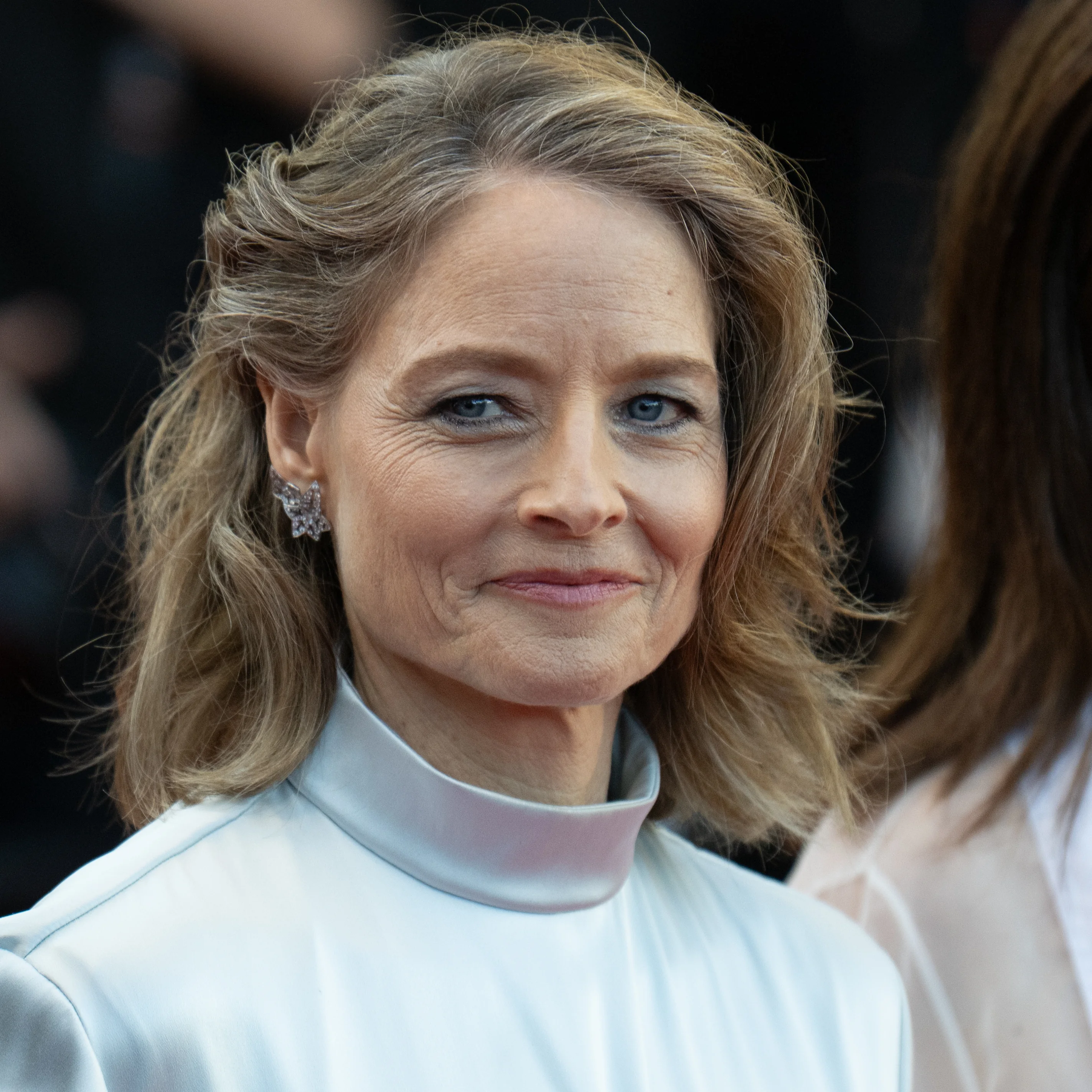
Image from Wikipedia
Image from Wikipedia
Jodie Foster: The Double Oscar Legend Between Intellect, Precision, and Cinema Magic
An Exceptional Figure in American Cinema
Jodie Foster is one of the most influential personalities in modern US cinema: as an actress, director, and producer, she has built a career over decades that combines rare adaptability with artistic integrity. Born on November 19, 1962, in Los Angeles as Alicia Christian Foster, she began acting at an early age and evolved from a child star into one of the most respected actresses of her generation. Her career exemplifies smart role choices, formal precision, and the ability to create complex characters with psychological depth. ([britannica.com](https://www.britannica.com/biography/Jodie-Foster))
Early Years: From Child Star to Serious Character Actress
Foster's professional career began in childhood with television and commercials before she opened her first chapter in film with Disney’s Napoleon and Samantha in 1972. In series such as Gunsmoke, The Courtship of Eddie’s Father, and My Three Sons, she gained experience while also appearing in Disney productions. Her unusual maturity was noticeable from an early age: Jodie Foster never came across as a randomly cast child, but rather as a young actress with remarkable control over timing, expression, and impact. ([britannica.com](https://www.britannica.com/biography/Jodie-Foster))
The pivotal career boost came with Martin Scorsese's Taxi Driver (1976), in which Foster played Iris, one of the most haunting supporting roles in New Hollywood cinema. Britannica describes her as an actress known for her dramatic portrayals of outsider figures; therein lies the early signature of her art. The role made her internationally visible and established her as an actress who could handle difficult, socially charged characters with confidence. ([britannica.com](https://www.britannica.com/biography/Jodie-Foster))
Breakthrough and Artistic Maturity: The Oscar Years
Jodie Foster's rise to world-class status did not begin with a single triumph but with a series of precisely set highlights. With The Accused (1988), she won her first Oscar for Best Actress; The Silence of the Lambs (1991) earned her a second trophy and made Clarice Starling one of the most iconic figures in film history. These performances combined emotional resilience with intellectual clarity, which continues to define Foster's acting to this day. ([britannica.com](https://www.britannica.com/biography/Jodie-Foster))
Especially in these roles, her unique strength shone through: Foster does not act loudly but precisely. Her characters often battle institutional violence, psychological pressure, or isolating power structures, and she imbues them with a quiet authority that lingers long after. This blend of vulnerability and discipline has become a hallmark that shapes her entire music career in a metaphorical sense – her artistic development as a public figure. ([britannica.com](https://www.britannica.com/biography/Jodie-Foster))
Directing, Producing, and Expanding Her Artistic Horizon
Foster never limited herself to acting. With Little Man Tate, she made her feature film directorial debut in 1991, while also appearing in the film; subsequent works include Home for the Holidays, The Beaver, and Money Monster. As a director, she prefers ensembles, psychologically precise conflicts, and stories where social roles, power, and intimacy collide. The result is a cinematic signature that emphasizes observation and rhythm rather than sensationalism. ([britannica.com](https://www.britannica.com/biography/Jodie-Foster))
As a producer and episode director, Foster has also shaped the medium. She worked on television series like Orange Is the New Black, House of Cards, and Tales from the Darkside, thereby making her authority behind the camera as visible as in front of it. This multifaceted role makes her one of the most interesting voices in US entertainment: not just a star, but a shaper of form, tone, and narrative perspective. ([britannica.com](https://www.britannica.com/biography/Jodie-Foster))
Current Phase: Late Glorious Form and New Recognition
Even in the 2020s, Foster remains present and highly relevant. In 2024, she took on the lead role of Chief Liz Danvers in True Detective: Night Country, for which she won an Emmy; at the Golden Globes, she was awarded for the same role in 2025. This late recognition underscores how her presence continues to be a benchmark for actresses with dramatic authority. ([britannica.com](https://www.britannica.com/biography/Jodie-Foster))
Additionally, there is A Private Life (Vie privée) by Rebecca Zlotowski, a French film produced in 2025 in which Foster plays the psychiatrist Lilian Steiner. The work was screened out of competition at Cannes and continued her international film career within European auteur cinema. This French-speaking role particularly shows how open her career remains to new registers: Foster is not seeking nostalgic repetition, but rather demanding contexts with intellectual resistance. ([festival-cannes.com](https://www.festival-cannes.com/en/f/vie-privee/))
Impact and Cultural Standing
Jodie Foster represents a rare form of authority: intellectual, controlled, yet never cold. Her roles range from vulnerable outsiders to determined investigators, from psychologically charged female figures to comically flawed characters. This very breadth has made her a lasting reference for acting that focuses not on short-term trends but on substance and recognizability. ([britannica.com](https://www.britannica.com/biography/Jodie-Foster))
Her cultural influence also lies in the fact that she has mastered the transition from child star to serious artist with extraordinary integrity. Many careers falter at this point; Foster, however, transformed early fame into a lifelong, disciplined body of work. This makes her equally fascinating to film fans and cultural observers: her career tells of not only fame but also control over her own image. ([britannica.com](https://www.britannica.com/biography/Jodie-Foster))
Assessment of Reception and Awards
The international critics have repeatedly recognized Foster as an actress of immense precision and expressiveness. Britannica highlights her outstanding performances in Taxi Driver, The Accused, and The Silence of the Lambs; the Golden Globes database also documents more recent awards and nominations for True Detective: Night Country and Nyad. This reveals that her relevance is by no means historically concluded but spans several decades. ([britannica.com](https://www.britannica.com/biography/Jodie-Foster))
In 2025, her career remained award-worthy: Foster received the award at the 2025 Golden Globes for her performance in True Detective: Night Country, while at other cultural events she was honored as a central figure in international film. This continuity between canonization and present makes her status particularly strong. She is not only part of film history but an active part of contemporary cultural discourse. ([goldenglobes.com](https://goldenglobes.com/video/jodie-foster-wins-best-female-actor-limited-anthology-series-or-tv-movie/?utm_source=openai))
Conclusion: Why Jodie Foster Continues to Fascinate
Jodie Foster fascinates because she understands cinema as a precise art form, infusing each role with clarity, dignity, and inner tension. Her career connects childhood fame, Oscar dominance, directorial skill, and late mastery into one of Hollywood's most remarkable legacies. Those who see Foster live on the red carpet, at festival appearances, or in a new film role encounter not a figure of nostalgia but an artist who continues to write her work with unwavering sovereignty. ([britannica.com](https://www.britannica.com/biography/Jodie-Foster))
Official Channels of Jodie Foster:
- Instagram: no official profile found
- Facebook: no official profile found
- YouTube: no official profile found
- Spotify: no official profile found
- TikTok: no official profile found
Sources:
Upcoming Events
Paris Murder Mystery
Paris Murder Mystery
Paris Murder Mystery
Paris Murder Mystery
Paris Murder Mystery
Paris Murder Mystery
Paris Murder Mystery
Paris Murder Mystery
Paris Murder Mystery