Jim Morrison
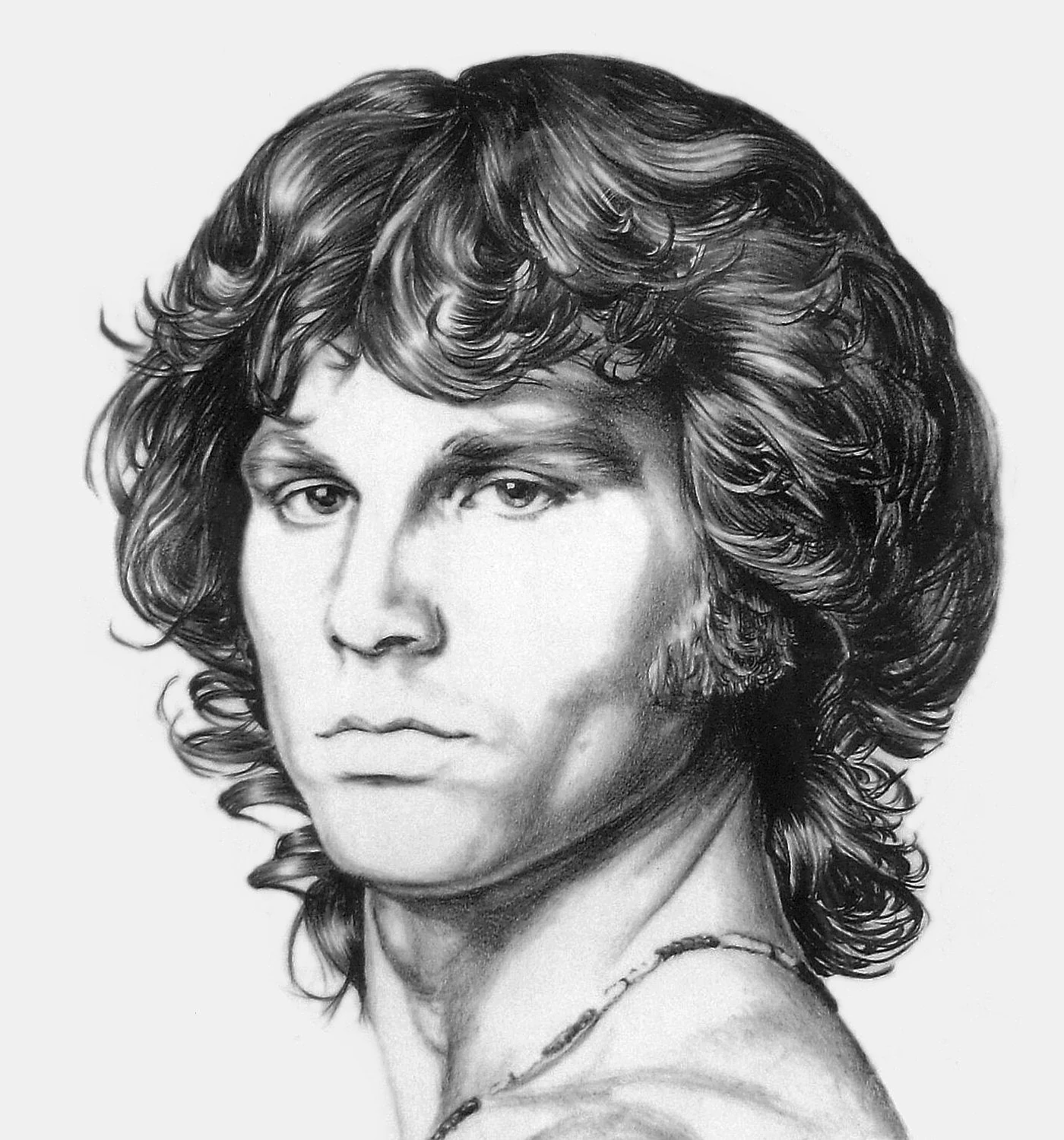
Image from Wikipedia
Image from Wikipedia
Jim Morrison – The Poet of Rock Who Made The Doors a Legend
One of the Most Fascinating Voices in Rock History
James Douglas "Jim" Morrison was born on December 8, 1943, in Melbourne, Florida, and passed away on July 3, 1971, in Paris. As the lead singer, songwriter, and lyricist of The Doors, he fused rock music with poetry, theater, mythology, and an uncompromising stage presence. The Doors were formed in 1965 in Los Angeles and quickly developed a style that combined psychedelic rock, blues, and jazz with a dark, intense dramaturgy. ([britannica.com](https://www.britannica.com/biography/Jim-Morrison?utm_source=openai))
Biography: From Film Student to Symbol of a Generation
Morrison met Ray Manzarek in 1965 at UCLA, and from this encounter emerged one of the most influential rock bands of the 1960s. The Doors gave a voice to the zeitgeist of that decade, going far beyond mere entertainment: Morrison articulated fantasies, fears, dreams of freedom, and self-destruction with an intensity that made him an early projection surface. According to the Rock & Roll Hall of Fame, he renewed the role of the frontman through pulsing, beat-inspired lyrics, a captivating voice, and fearless anti-authority. ([rockhall.com](https://rockhall.com/inductees/doors/?utm_source=openai))
His fascination stemmed not only from the music but also from literature. During his lifetime, Morrison published three volumes of poetry and regularly used Doors concerts for spontaneous recitations of poetic texts. This shifted the boundaries of the rock concert towards performance art, turning the performance itself into an artistic event. ([en.wikipedia.org](https://en.wikipedia.org/wiki/Jim_Morrison?utm_source=openai))
The Artistic Breakthrough with The Doors
The real breakthrough came in 1967 with The Doors' self-titled debut album. Songs like "Light My Fire," "The End," and "Back Door Man" became cornerstones of a new, darker yet seductive understanding of rock. The official Doors website describes the band's entry into the rock scene as the beginning of a greater, deeper relationship between artists and audiences – a claim that Morrison radically embodied with his performances. ([thedoors.com](https://thedoors.com/?utm_source=openai))
The Rock & Roll Hall of Fame emphasizes that The Doors delivered legendary confrontational live shows with their blend of psychedelic rock, blues, and jazz. These concerts often felt like an intoxication of song, recitation, improvisation, and tension; Morrison moved between singer, preacher, and performer. This unpredictability made him a central figure of the hippie era and at the same time one of its most restless counterimages. ([rockhall.com](https://rockhall.com/inductees/doors/?utm_source=openai))
Discography, Key Works, and Musical Signature
The discography of The Doors includes, besides the debut album, other key works such as "Strange Days," "Waiting for the Sun," "The Soft Parade," "Morrison Hotel," and "L.A. Woman." Britannica also mentions "An American Prayer" from 1978, which consisted of posthumously released recordings of his poetry and new music from The Doors. This shows how closely his lyrical work and the band's history remained connected even beyond his death. ([britannica.com](https://www.britannica.com/biography/Jim-Morrison?utm_source=openai))
Among the songs that significantly shape Morrison's legacy are "Light My Fire," "People Are Strange," "The End," "Roadhouse Blues," and "Riders on the Storm." The official Doors website and industry sources still emphasize the enduring brilliance of these recordings, as Morrison as a voice and author imparted an unmistakable dramaturgy to the songs. His work with The Doors created not just an ordinary hit list but a cohesive sound universe of tension, ecstasy, and abyss. ([thedoors.com](https://thedoors.com/?utm_source=openai))
Style, Voice, and Stage: The Lyricist in Rock Theatre
Morrison's artistic development thrived on contrasts. His rock baritone carried songs with solemn weight, while his lyrics oscillated between mythology, eroticism, surrealism, and existential threat. The Rock & Roll Hall of Fame describes this very connection of voice, physical presence, and anti-authoritarian gesture as what permanently redefined the role of the frontman. ([rockhall.com](https://rockhall.com/inductees/doors/?utm_source=openai))
The Doors, with Morrison, expanded their repertoire to include multi-layered conceptual pieces and forms of rock theater. His spontaneous recitations on stage turned concerts into open art actions, where song structure and language intertwined. This approach granted the band a unique cultural status: The Doors were not just heard but experienced. ([en.wikipedia.org](https://en.wikipedia.org/wiki/Jim_Morrison?utm_source=openai))
Critical Reception, Influence, and Legend Formation
Even during his lifetime, Morrison was regarded as a sex symbol and a central figure of the counterculture. Later, his rebellious lifestyle, public controversies, and early death came to the forefront, further intensifying the legends surrounding him. However, the official Doors website emphasizes to this day the lasting musical and cultural impact: The influence of the band remains strongly felt more than five decades after their debut. ([thedoors.com](https://thedoors.com/?utm_source=openai))
Even posthumously, Morrison's work remains present. Britannica points to The Doors' induction into the Rock and Roll Hall of Fame in 1993 and the Grammy Lifetime Achievement Award honor in 2007. Such accolades mark not only historical recognition but also confirm Morrison's status as one of the most influential songwriters and singers in rock. ([britannica.com](https://www.britannica.com/biography/Jim-Morrison?utm_source=openai))
Current Legacy Projects and Late Resonance
Since Jim Morrison died in 1971, there have been no new solo albums or current personal music projects. Today's activity surrounding his legacy focuses on The Doors themselves, on archival work, digital formats, and anniversary projects. The official band website highlights offerings such as The Doors app, the video section, and digital festival formats that make archival material, historical concerts, and rare documents accessible. ([thedoors.com](https://thedoors.com/news/the-official-doors-app?utm_source=openai))
On the occasion of the 60th band anniversary, new editions, archival projects, and accompanying releases have also been announced. These activities show how alive Morrison's legacy remains: not as a museum memorial but as an ongoing reference for rock poetry, stylistic transgression, and dramatic stage art. ([shorefire.com](https://shorefire.com/releases/entry/the-doors-celebrate-60th-anniversary-in-2025?utm_source=openai))
Conclusion: Why Jim Morrison Electrifies to This Day
Jim Morrison remains intriguing because he embodied contradictions in a single figure: poet and rock star, charismatic figure and rebel, control freak and boundary pusher. His songs with The Doors resonate to this day because they not only document an era but also preserve a sense of danger, freedom, and intensity. Anyone wanting to understand how rock music became an art form cannot overlook Morrison. ([rockhall.com](https://rockhall.com/inductees/doors/?utm_source=openai))
His legacy continues in the albums, in the poems, in the live recordings, and in the unbroken fascination for his persona. Jim Morrison is not a closed chapter but a cultural resonance space that extends into the present. Those who experience his music live in memory, in restorations, or in the present of The Doors archives encounter one of the last great myths of rock. ([thedoors.com](https://thedoors.com/?utm_source=openai))
Official Channels of Jim Morrison:
- Instagram: No official profile found
- Facebook: No official profile found
- YouTube: No official profile found
- Spotify: No official profile found
- TikTok: No official profile found
Sources:
- Wikipedia – Jim Morrison
- Britannica – Jim Morrison
- Rock & Roll Hall of Fame – The Doors
- The Doors – Official Website
- The Doors – The Official Doors App
- The Doors – The Doors x ROXY Collection has landed!
- The Doors – Announcing: The Doors Digital Festival!
- Shore Fire Media – The Doors Celebrate 60th Anniversary In 2025
Upcoming Events
People Are Strange
People Are Strange - A Tribute to Jim Morrison
People Are Strange - A Tribute to Jim Morrison
People Are Strange - A Tribute to Jim Morrison
People Are Strange - A Tribute to Jim Morrison
People Are Strange

People Are Strange – A Tribute to Jim Morrison