Experience Startups & Founding Festival in Traunstein
Startups & Innovation Events in Traunstein (Preview of Upcoming Dates)
Which events bring together founders, companies, students, and innovation enthusiasts in Traunstein? This overview bundles upcoming formats – from founding festivals to multi-month programs, meetups, and Alpine region networking.
Note on up-to-dateness: Dates, times, and locations may change. Please always check the final details with the respective organizer shortly before the event.
Why Traunstein Remains (and Will Remain) Exciting for Founding & Innovation
Traunstein is increasingly developing as a meeting place for people who want to found, test new products, or bring innovation into existing businesses. This is particularly visible in formats that deliberately bring together different groups: school students and university students, crafts and SMEs, solo self-employed, technology-oriented teams, as well as supporters from administration, finance, and consulting.
Those who select events strategically can achieve three things in a short time: Orientation (which offers fit the idea?), Contacts (mentors, partners, funding agencies), and Progress (feedback, pitch training, next steps).
Founding Festival Traunstein: Open Entry for New Projects
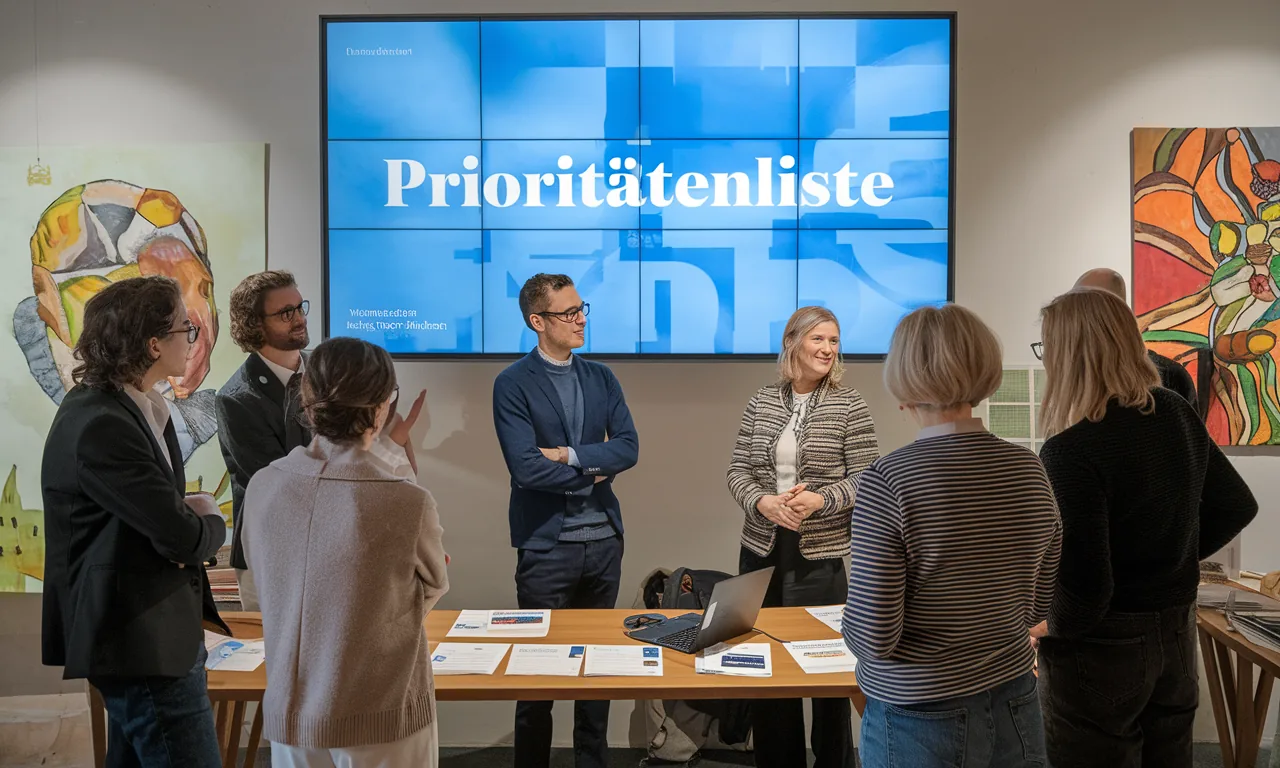
As a central, publicly accessible anchor in the local founding calendar, a founding festival at the city center campus is planned as a compact afternoon and evening format. Typical for such festival formats is a mix of short impulses, direct exchange, and low-threshold networking.
Structured Networking: Faster to the Right Contacts
Instead of "collecting business cards," many founding festivals focus on moderated networking (e.g., speed-dating slots or thematic table rounds). This is especially helpful in the early phase when it is still unclear which contact is most important next: financing, legal form, funding programs, coaching, or workspaces.
Impulses & Short Sessions: From Financing to Intellectual Property
For founders, recurring core topics are crucial. Accordingly, future programs can often be expected to include sessions on the following areas:
- Financing & Liquidity: Basics, typical bottlenecks, options from own funds to promotional loans.
- Taxes & Legal Form: Initial orientation, which obligations may become relevant early on.
- Customer Benefit & Offer Refinement: Problem–solution fit, target group, initial tests.
- AI Tools & Automation: Pragmatic use cases, limitations, and responsible use.
- Brands/Intellectual Property: Basics on trademarks, design, and patents as well as typical mistakes that can be avoided.
Keynote Perspective: Performance, Setbacks, and Perseverance
A planned program item that works particularly well at founding events is a keynote from the high-performance or entrepreneurship environment – for example, on mental strength, teamwork, and dealing with setbacks. For startups, this perspective is practical because it sharpens expectation management: rejections, course changes, and iterative improvements are almost always part of the early phases.
Pitches & Feedback: Present Briefly, Work Better Afterwards
Many founding festivals end with short pitches. The greatest benefit often does not lie in "winning," but in feedback from different perspectives (e.g., market, financing, implementation, law) and in follow-up conversations that arise from them.
Startrampe in Traunstein: Multi-Month Program for Sustainable Ideas
Those who do not want to stop at inspiration after an event benefit most from a multi-month program with clear structure, fixed workshop dates, and committed teamwork. In Traunstein, such a format is announced under the name Startrampe as a program for projects with social and ecological added value.
Typical for programs of this kind are a limited number of participants, a selection process, and a mix of workshops, peer learning, and individual support. This creates an environment in which teams not only consume knowledge but also consistently implement steps.
Workshop Blocks: From Concept to Testable Offer
Multi-part workshop series (e.g., at Campus St. Michael) are particularly effective when they build on each other and provide for concrete tasks between sessions. Common building blocks you can expect in an upcoming edition:
- Business Model & Impact: Target group, value proposition, impact logic, measurability.
- Prototyping & User Testing: Quick test setups, interviews, first pilot customers.
- Financial Planning: Cost structure, pricing mechanics, cash flow thinking, eligibility for funding.
- Pitch & Storytelling: Understandable narratives, clear key figures, clean structure.
- Team & Roles: Responsibilities, decision logic, conflict prevention.
Public Final Presentation: Visibility & Connectivity
A planned final pitch in front of an audience (business, administration, education, interested public) is more than a "finale": it creates commitment and facilitates the next step – such as cooperations, pilot projects, or follow-up programs.
Meetups & Community: Regular Exchange in Everyday Life
Large events are helpful – but a scene becomes sustainable through recurring meetings. For Traunstein, community formats are particularly valuable when they combine topics such as digitalization, AI, e-commerce, and practical implementation, while remaining open to both beginners and advanced participants.
Those new to the scene should use meetups strategically: with a clear concern (e.g., "find pilot customers," "look for co-founders," "understand funding options") and the willingness to contribute their own know-how.
Alpine Innovation & Alpine Region Networks: Opportunities Beyond the Region
For many business models, the market does not end at city or district borders. Formats with an Alpine region connection (e.g., cross-border pitch and matchmaking events) are particularly relevant in the future for teams looking for partners, mentors, or customers in neighboring regions.
- Market Access: Contacts to companies and institutions outside the immediate home region.
- Learning from Other Ecosystems: Different industry focuses and funding logics.
- Cooperation Instead of Competition: Joint pilot projects with established companies.
How to Get the Most Out of Upcoming Events in Traunstein
- Preparation in 30 Minutes: One-sentence problem, one-sentence solution, desired next step (e.g., "pilot customer," "co-founder," "mentor").
- Ask Questions Instead of Pitching: In early phases, targeted questions often bring more than perfect marketing.
- Follow Up Within 48 Hours: Short message with context, specific request, and appointment suggestion.
- Document: What was the most important insight? What is the next test before the next meeting?
This way, a single appointment becomes a progress engine – regardless of whether you are just starting out or already testing a first product on the market.