Influencer Events & Meetups in Traunstein
Events of the Local Scene & Influencer Meetups in Traunstein: Outlook and Planning for the Coming Months
Traunstein has the potential to position itself in the coming months as a vibrant hub for creators, brands, and communities in the Chiemgau region. This guide is aimed at everyone who wants to help shape, attend, or professionally use future influencer events in the region.
Why Now? Good Conditions for Upcoming Events
The combination of an authentic old town, proximity to Chiemsee and the Alps, and short distances between culture, gastronomy, and tourism offers ideal conditions for new formats. In the coming months, compact knowledge formats, regular meetups, and experience-oriented community days will be particularly relevant, making regional stories visible and strengthening networks.
Future Event Types for Traunstein
Knowledge Formats: Workshops, Masterclasses, Mini-Conferences
- Workshops (half-day to full-day) on short video production, storytelling, podcast setup, community building, and performance marketing.
- Masterclasses for advanced participants with live demos, feedback sessions, and content reviews.
- Mini-conferences (1–2 days) with keynotes, panels, and practical spaces – with regional focuses such as sustainable tourism, local gastronomy, or crafts.
Community Formats: Regular Meetups and Creator Days
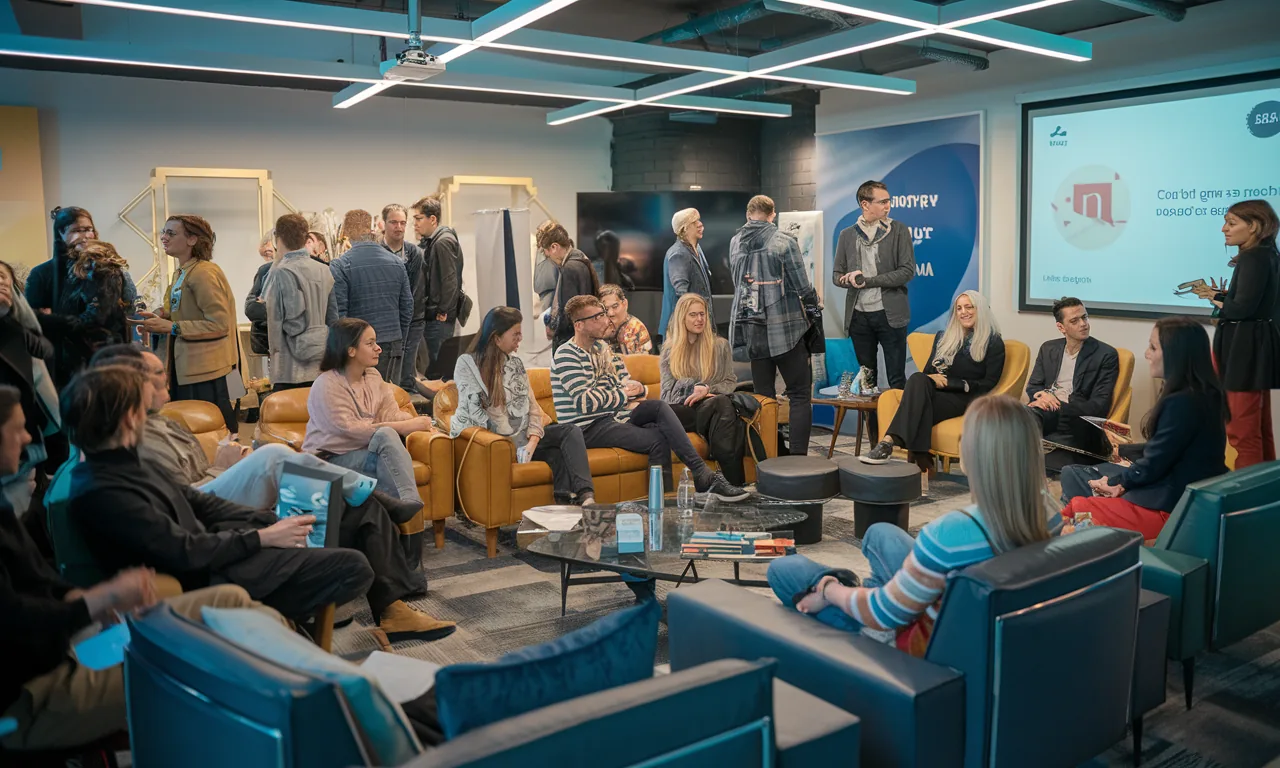
- Open creator meetup on a monthly basis with short keynotes, speed networking, and photo/reel walks in the old town.
- Creator days with thematic tracks (e.g., tourism, culture, volunteering) and hands-on mini-workshops.
Experience Formats: Mini-Festivals and Fan Events
- Mini-festivals with live shows, talks, live podcasts, interactive stations, photo points, and regional partner booths.
- Community actions such as clean-up walks, bike or mountain tours with accompanying content documentation and clearly regulated meeting points/time slots.
Recommended Timeline for the Coming Months
- Q1: Kick-off meetups as warm-up, beginner workshops, first masterclasses for creators from the region.
- Q2: Mini-conference with regional focus, supplementary practical formats (e.g., content clinics, on-location production).
- Q3: Community days and outdoor formats with an experiential character (plan for weather and safety notices).
- Q4: Recap meetups, best-of learnings, strategy workshops for the coming year.
How Successful Events Are Structured
Program Design
- Clear target group per slot (creators, companies, fans, volunteers).
- Mix of input (keynote, panel) and practice (hands-on, feedback, content clinic).
- Deliberate networking times with quiet zones for 1:1 conversations.
Tickets and Access
- Transparent categories (e.g., basic, workshop add-on, youth/club ticket).
- Early bird phases and combo passes (e.g., conference + masterclass) are worthwhile for planning security.
- Clear admission and youth protection rules for fan elements.
Safety, Legal, and Trust
- Observe data protection (e.g., consents for photo/video, transparent notices during registration and on site).
- Implement youth protection regulations for public formats with minors (age zones, accompanying persons, times).
- License music use in good time (e.g., for stage or DJ programs).
- Plan for barrier-free access, clear signage, first aid, emergency exits, and weather protection for outdoor parts.
Bridges to Larger Stages in the DACH Region
- Pre-events: Local warm-ups before major conference or festival dates in the region.
- Post-events: Recap evenings with key learnings and best practices for local companies and creators.
- Travel groups: Joint travel with documented social content and subsequent exchange meetup.
Practical Guide: A Visible Event Format in 90 Days
-
Phase 1 (Week 1–3): Clarify Goal and Choose Format
- Define goal (e.g., recruiting in the region, tourism impulses, community building).
- Determine format (meetup, workshop, mini-conference) and outline rough program.
-
Phase 2 (Week 4–6): Location, Partners, Speakers
- Secure location with good acoustics, Wi-Fi, and public transport/parking connections.
- Approach regional creators and businesses as program partners.
-
Phase 3 (Week 7–10): Communication and Tickets
- Publish event page with agenda, ticket types, access and youth protection rules.
- Schedule content plan (teasers, speaker spotlights, reels) in advance.
-
Phase 4 (Week 11–12): Production and Safety
- Checklists for technology, admission, crew briefing, emergency contacts, and consents.
- Finalize moderation guides, time buffers, and networking slots.
-
Phase 5 (Week 13): Execution and Follow-up
- On site: clear signage, welcome briefing, social coverage with hashtag.
- After the event: share slides/recaps, collect feedback, announce next dates.
Concrete Tips for the Coming Months
For Creators
- Sharpen your profile: clearly communicate thematic focuses, formats, and local references.
- Actively participate: offer short keynotes, live demos, or mentoring sessions.
- Maintain your calendar: use seasonal peaks and firmly schedule networking time.
For Companies, Clubs, Institutions
- Start small: evening workshop or meetup series as an entry into community work.
- Prioritize regional creators: linguistic and audience proximity pays off in credibility.
- Measurable goals: define reach, contacts, applications, or bookings in advance.
For Visitors
- Use open formats: meetups and fan elements are suitable for getting started.
- Check rules: admission times, age restrictions, bag policies, and photo/video notices.
- Get involved: give feedback, help voluntarily, contribute topic suggestions.
Outlook
The coming months offer the chance to establish Traunstein as a stage for regional creators and as a reliable hub between Chiemsee, the Alps, and the major DACH stages. With clear formats, reliable organization, and grounded community proximity, a scene is growing that will be sustainable in the long term.
Notes and Further Sources
- EU General Data Protection Regulation (EU) 2016/679 — Legal basis for processing personal data at events (accessed 2025-12-03)
- Youth Protection Act (JuSchG) — Requirements for events with minors (accessed 2025-12-03)
- GEMA — Information on music use and licensing at events (accessed 2025-12-03)