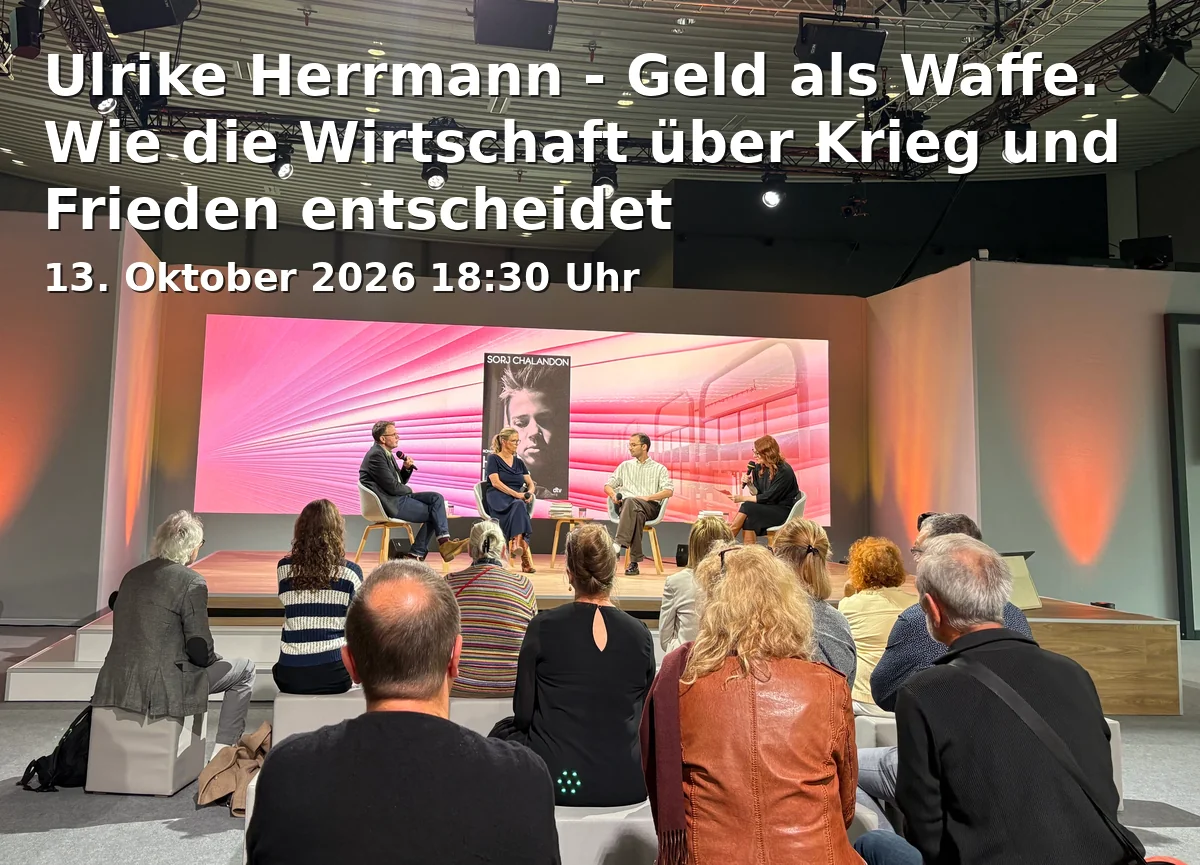
Ulrike Herrmann
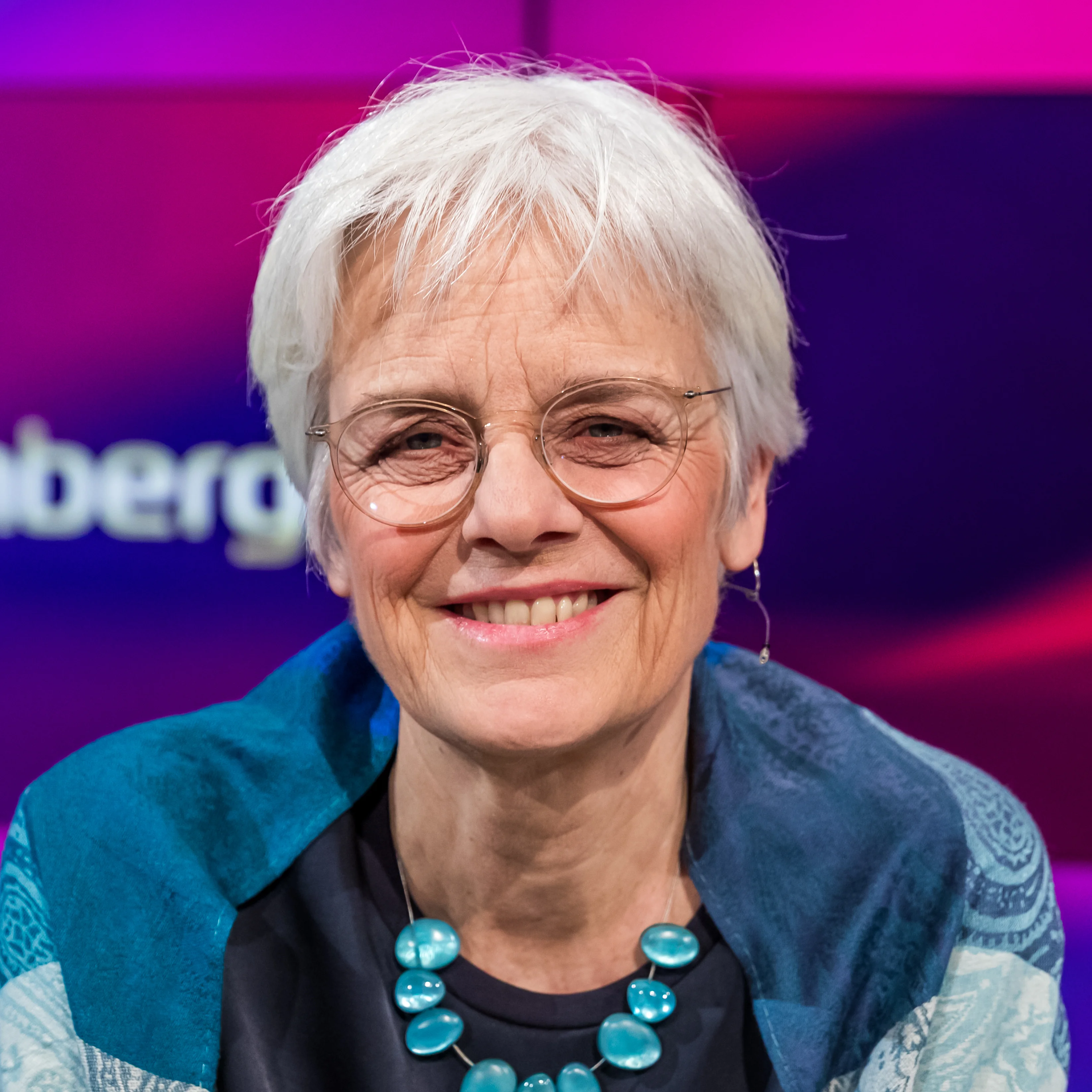
Image from Wikipedia
Image from Wikipedia
Ulrike Herrmann: The Sharp-Witted Economic Columnist Between Analysis, Debate, and Bestseller Success
A Shaping Voice of Contemporary German Journalism
Ulrike Herrmann is one of the most prominent economic journalists in Germany. Born on January 13, 1964, in Hamburg, she has established herself as a publicist and non-fiction author with analytical sharpness, stylistic clarity, and a consistent stance. Since 2000, she has worked at taz as an economic correspondent; her books and commentaries shape public debate far beyond the cultural sections. ([de.wikipedia.org](https://de.wikipedia.org/wiki/Ulrike_Herrmann))
Biography: From Hamburg to Journalism School and Economic Policy Debate
Herrmann didn't start her journey directly in journalism; she first trained as a bank clerk at Bayerische Vereinsbank. She then attended the Henri Nannen School of Journalism and studied history and philosophy at the Free University of Berlin. This combination of economic practice, journalistic training, and humanities reflection explains the particular depth of her texts to this day. ([de.wikipedia.org](https://de.wikipedia.org/wiki/Ulrike_Herrmann))
Before her long tenure at taz, she worked, among other positions, as a research associate at the Körber Foundation and as press spokesperson for the Hamburg Senator for Equality, Krista Sager. She has been firmly established at taz since 2000, where she is one of the defining voices in the economics editorial team. The editorial team describes her as an author who consistently publishes books alongside her journalistic work. ([de.wikipedia.org](https://de.wikipedia.org/wiki/Ulrike_Herrmann))
Journalistic Style and Authoritative Presence
Herrmann's strength lies in connecting political economy, historical context, and sharp focus. Her contributions to taz regularly address global power relations, financial policies, energy, inflation, trade, and the consequences of geopolitical conflicts. The tone she employs does not rely on effects but rather on argumentative precision and clarity. ([taz.de](https://taz.de/Ulrike-Herrmann/!a69/))
Her appearances in public debates, podcasts, and book events showcase the reach of her work. taz and the publishing house Kiepenheuer & Witsch position her as a distinguished economic expert whose opinions are sought after in talk formats and live discussions. This presence has made her an authority in the German-speaking discourse on capitalism, growth, and crisis economics. ([taz.de](https://taz.de/!vn6143853/))
The Books: From the Financial System to the Climate Crisis
Herrmann's non-fiction books form the core of her journalistic output. Some of her best-known titles include "Hurra, we are allowed to pay," "The Victory of Capital," "No Capitalism is No Solution," "Germany, an Economic Fairy Tale," and "The End of Capitalism." Especially "The End of Capitalism" has been widely received and interpreted in public discussions as a provocative yet systematic analysis of the climate crisis. ([kiwi-verlag.de](https://www.kiwi-verlag.de/magazin/im-gespraech/3-fragen-ulrike-herrmann?utm_source=openai))
At the heart of these books is the question of how economic structures limit or enable societal development. Herrmann argues that the climate crisis cannot be answered with a mere continuation of the status quo, but instead requires an ecological circular economy and a departure from the previous growth-oriented logic. This makes her texts relevant for readers seeking not just opinions but reliable contextualization. ([de.wikipedia.org](https://de.wikipedia.org/wiki/Ulrike_Herrmann))
Current Projects: "Money as a Weapon" and the Escalation of Global Conditions
Her forthcoming book, "Money as a Weapon: How Economics Decides War and Peace," set to be published in 2026, continues this trajectory and emphasizes the role of economic power in international conflicts. The publisher describes the work as an analysis of war, peace, sanctions, supply chains, and geopolitical vulnerabilities; taz will accompany the publication with events and talk formats. ([kiwi-verlag.de](https://www.kiwi-verlag.de/verlag/rights/book/ulrike-herrmann-geld-als-waffe-9783462009613?utm_source=openai))
In her current reporting on her taz author page, Herrmann presents herself as a commentator on contemporary issues: she writes about AI bubbles, the dollar, the USA, Europe, Trump, tariffs, oil, and the economic consequences of military escalation. Thus, her work remains highly relevant but never fleeting; it connects short-term headlines with long-term structural questions. ([taz.de](https://taz.de/Ulrike-Herrmann/!a69/))
Discography, Hits, and Musical Reception: A Literary-Political Work, Not a Music Publication
A classic discography, hit singles, or chart success in the musical sense does not exist for Ulrike Herrmann, as she is not a musician but a journalist, publicist, and non-fiction author. Her work resides in the realm of political literature and economic journalism. The cultural reach therefore does not stem from songs or albums, but rather through books, essays, lectures, and contributions to debates. ([de.wikipedia.org](https://de.wikipedia.org/wiki/Ulrike_Herrmann))
This is where her influence lies: Herrmann's texts are referenced by media, publishers, and discussion formats when it comes to critiques of growth, analyses of capitalism, or the economic dimensions of war and peace. The publisher notes that "The End of Capitalism" has been translated into numerous languages, and highlights an international perspective on war and world order in her latest book. ([taz.de](https://taz.de/!vn6143853/))
Critical Reception and Cultural Influence
Herrmann's relevance lies in her ability to distill complex interrelationships. She employs economic arguments that illuminate political issues in a different light and has thereby established herself as a significant figure in debates. Her bestsellers and appearances in talk formats indicate that she reaches not only expert audiences but also broadens the audience’s engagement with economic analyses. ([kiwi-verlag.de](https://www.kiwi-verlag.de/magazin/im-gespraech/3-fragen-ulrike-herrmann?utm_source=openai))
Her journalistic style also impacts contemporary debates: concise, clear, disputable, and yet readily understandable. Especially in times of economic uncertainty, climate crisis, and geopolitical tensions, she does not provide mere buzzwords but offers interpretative frameworks. This explains why her books, columns, and discussions consistently resonate with larger societal debates. ([taz.de](https://taz.de/Ulrike-Herrmann/!a69/))
Conclusion: A Publicist Who Sharpens Economic Perspectives
Ulrike Herrmann is captivating because she does not treat economic connections as a specialty but as a key to understanding the present. Her career combines journalistic experience, academic education, and a clear publicist stance into a distinctive profile. Anyone wanting to understand how economics, climate, and power politics interplay will find one of the most consistent voices in German-speaking discourse with her. ([de.wikipedia.org](https://de.wikipedia.org/wiki/Ulrike_Herrmann))
Particularly her stage presence at readings, talks, and discussions makes her work come to life. Those who experience Ulrike Herrmann live encounter not just a mere observer, but a combative analyst with clear language and significant intellectual weight. For readers who love debates, exploring her books and appearances is always worthwhile. ([taz.de](https://taz.de/!vn6143853/))
Official Channels of Ulrike Herrmann:
- Instagram: No official profile found
- Facebook: No official profile found
- YouTube: No official profile found
- Spotify: No official profile found
- TikTok: No official profile found
Sources:
- Wikipedia – Ulrike Herrmann
- taz – All articles by Ulrike Herrmann
- taz – taz Talk meets Leipzig Book Fair 2026: Money as a Weapon
- taz – taz Talk on Eco-Capitalism: Is Green Capitalism Possible?
- Kiepenheuer & Witsch – Author Ulrike Herrmann
- Kiepenheuer & Witsch – Money as a Weapon
- Kiepenheuer & Witsch – Money as a Weapon / Rights Page
Upcoming Events
Imagine it's war and no one funds it!
Money as a Weapon: How the Economy Decides War and Peace