
Thomas Nicolai
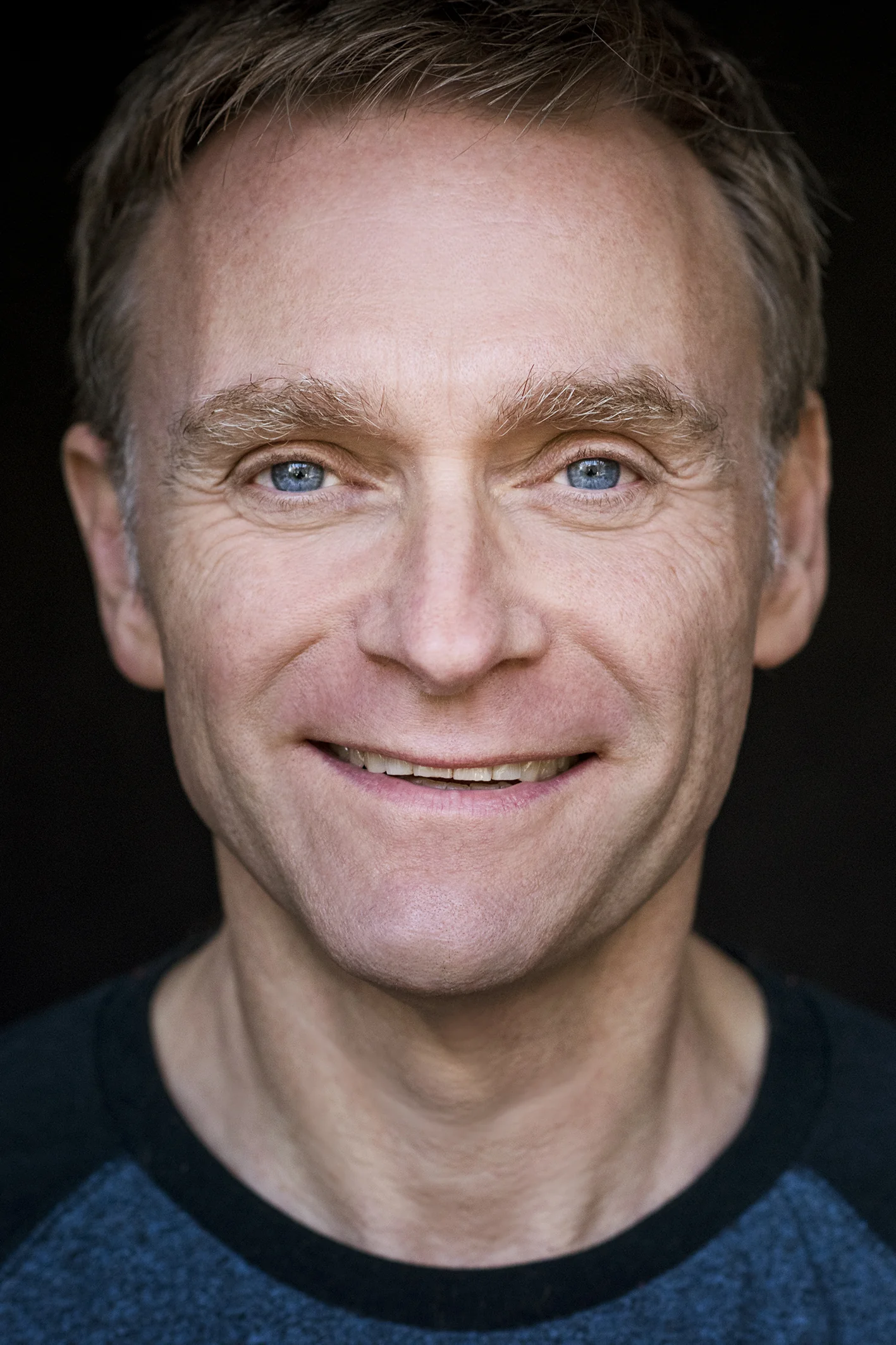
Image from Wikipedia
Image from Wikipedia
Thomas Nicolai – the Man with a Thousand Voices: Comedian, Actor, Voice Artist
From Leipzig Theatre Child to Audience Magnet: Thomas Nicolai Delights with Rapid Transformations, Musical Satire, and a Fine Sense for Stories
Thomas Nicolai, born on December 8, 1963, in Leipzig, is one of the most influential voices in the German comedy and cabaret scene. His musical cabaret acts, sharp parodies, and his distinctive stage presence combine humor, acting skills, and radio-ready voice technique. As a comedian, actor, audiobook and dubbing artist, as well as an author, he has shaped a music career in a broader sense, where composition, arrangement, and interpretation often serve the punchline. His artistic development spans from studying at Ernst Busch to the Grips Theatre, culminating in his own programs, award-winning audio productions, and current live projects.
Background, Education, and Early Steps: From Leipzig to the Ernst Busch School of Acting to the Stage
Even as a child, Nicolai performed at Leipzig's children's, pioneer, and student theatres before, after several attempts, passing the entrance exam at the Hochschule für Schauspielkunst “Ernst Busch.” After completing his military service, he studied there from 1987 to 1991 and performed at Berlin venues in the early 1990s, including the Grips-Theatre. Concurrently, his artistic curiosity grew for forms between music, language, and mimics—a foundation for his later parody art, where timing, voice control, and “arrangement” of characters align as precisely as instruments in a band. This experience laid the groundwork for the confident stage presence with which he has increasingly emerged since the late 1980s. ([de.wikipedia.org](https://de.wikipedia.org/wiki/Thomas_Nicolai))
TV Visibility, “Der blonde Emil,” and the Breakthrough into Main Programming
Since 1989, Nicolai has stood on his own as a comedian; he early on combined chansons, Ringelnatz/Morgenstern adaptations, and political punchlines. In the 1990s, he sharpened his brand with the character “Der blonde Emil” and the Saxon sweater-wearing Patrick Schleifer, whose performances—including surprising audience interactions—achieved cult status and opened doors to festivals, TV shows, and a record deal. Television became the stage: appearances in formats such as “Wie bitte?!,” “RTL Samstag Nacht,” and the Sat.1 personality show “Ei verbibbsch” (nominated for the Rose d'Or) made his vocal transformations and parody art known to millions. This phase established him as an authority in humorous voice imitation and musically driven sketch formats. ([de.wikipedia.org](https://de.wikipedia.org/wiki/Thomas_Nicolai))
Stage Programs in Tune with the Times: From Big-Band Comedy to “KAMISI”
Nicolai's discography of stage programs reflects his repertoire: from the early “Der blonde Emil” cycle through “Director’s Cut – My Life as a Film” to the Big-Band comedy show “SWOP” with The Savoy Dance Orchestra. Later programs such as “Sächsisch für Anfänger,” “Urst,” and “Vorspiel & andere Höhepunkte” mix linguistic wit, pop references, and musical parody. In 2024, “KAMISI” premiered—a fast-paced evening where Nicolai shifts between pop, chanson, country, electronic sound, and Max Raabe's melting style with a thousand voices. The result: a dramaturgically clever “arranged” comedy evening that turns music listening into a satirical score and redefines the virtuosity of his imitation art. ([de.wikipedia.org](https://de.wikipedia.org/wiki/Thomas_Nicolai))
Voice as an Instrument: Audiobooks, Radio Plays, Dubbing – and an Award
Alongside the stage, Nicolai developed an extraordinary voice career: radio plays for Der Hörverlag, Argon, Der Audio Verlag, and Audible, roles spanning children's literature, fantasy, and satire, along with dubbing, advertising productions, and audio guides. In 2022, he received the Preis der deutschen Schallplattenkritik (Best List 02/2022, Category Children’s and Youth Recordings) for “Der Sprachabschneider.” The jury's justification and media resonance highlight his dynamic interpretive ability: a variation of timbre, phrasing, and “dynamics” reminiscent of musical form principles, acoustically modeling stories. This work shows how technical precision (breathing, articulation, microphone play) and narrative pulse connect. ([de.wikipedia.org](https://de.wikipedia.org/wiki/Thomas_Nicolai))
Podcast Era and Literary Ambition: “Blühende Landschaften,” “Positiv am Pushen,” and “Maulberg”
Starting in February 2020, Nicolai produced the weekly podcast “Blühende Landschaften – Ein Ost-West-Dialog” with Hennes Bender, with episodes oscillating between humorous exchanges and reflective memorial culture. The format reached 99 episodes and concluded in 2022 with a live show in Hamburg; the podcast remains streamable. In 2023, “Positiv am Pushen” followed with Nils Heinrich; this project ended in 2024 due to time constraints. Nicolai made a literary statement with the satirical novel “Maulberg” (Satyr Verlag, March 3, 2025): a timely farce about Eastalgia, provincial rituals, and the experimental setup “Mini-DDR.” The audiobook he recorded himself (2025) expands his voice into a narrator figure—an organic continuation of his radio play-like storytelling art. ([de.wikipedia.org](https://de.wikipedia.org/wiki/Thomas_Nicolai))
Musical Signature and Style Analysis: Parody as “Arrangement”
In Nicolai's theatrical universe, music holds dramaturgical weight: pop songs serve as a resonance space where societal observations become audible through tone, rhythm, and lyrical punchlines. His parodies function as re-harmonizations of well-known motifs—rather than chord changes, he employs vocal colors, accents, and tempo to intertwine sonorous recognition with comedy. Whether Coldplay, country, Max Raabe, or Italo disco—his performances play with genre codes, effortlessly switching registers and creating the effect of a live production where arrangement and timing lead to the punchline. This vocal guidance feels “musical” because it builds arcs of dynamics reminiscent of refrain/bridge structures. ([thomas-nicolai.de](https://www.thomas-nicolai.de/kamisi?utm_source=openai))
Discography, Sound Recordings, and Audiovisual Works
Nicolai's list of recordings spans early live and studio releases like “Auf anderen Bühnen” (1996), “Große Stimmen” (1996), “Der blonde Emil: … macht ernst!” (1998), to “Patrick Schleifer: Pullover” (Sony, 2001) and “Best of Der Blonde Emil” (2008), along with “Sächsisch for juh” (2012) and “URST” (2015). Additionally, there are numerous audio plays and readings, from “Käpt’n Sharky” to “Das Pummeleinhorn” and “Der Sprachabschneider,” whose reception underscores his versatility. Online, a selection of older recordings and live teasers is available; video clips and trailers provide insight into his stage work and showcase the precise interlocking of gag structure and musical punchline. This catalog demonstrates how consistently Nicolai oscillates between stage, studio, and digital platforms. ([de.wikipedia.org](https://de.wikipedia.org/wiki/Thomas_Nicolai))
Cultural Influence and Media Presence
As a host at the Quatsch Comedy Club, a guest on popular TV formats, and a versatile voice artist, Nicolai has set standards for parodistic vocal artistry in the German-speaking world. His programs shape a generation of music cabaret fans, experiencing a modern form of variety rooted in the combination of vocal imitation, character changes, and current observation. The award from the Schallplattenkritik and his enduring presence in literature houses, theatres, and festivals reinforce his authority far beyond the traditional comedy audience. His recurring collaborations with musicians, producers, and radio play studios portray him as a team player who thinks of production, text formulation, and performance as a cohesive unit. ([de.wikipedia.org](https://de.wikipedia.org/wiki/Thomas_Nicolai))
Current Projects 2024–2026: “KAMISI,” Live Radio Play, and “Maulberg” Tour
Premiering in May 2024, “KAMISI” continues Nicolai's musical satire at a high pace; in 2025/26, the program will be present at cabaret venues and festivals. Additionally, he launched the live radio play “Drei Haselnüsse für Aschenbrödel” with keyboardist Robert Neumann—premiering on November 14, 2025, at Berlin’s WABE, where Nicolai voiced all roles and dialogues, reconstructing the iconic film music live. Concurrently, the reading tour for the novel “Maulberg,” whose audiobook was released in 2025, is ongoing; further dates are scheduled in theatres and bookstores in 2026. These activities showcase an artist at the peak of his expressive means, skillfully transitioning between literature, live sound design, and comedy. ([thomas-nicolai.de](https://www.thomas-nicolai.de/kamisi?utm_source=openai))
Voices of the Fans
The fans’ reactions clearly show: Thomas Nicolai captivates people worldwide. On Instagram, a fan raves about how “precise and lovingly crafted the parodies” are and how “every note is on point, even when only using the voice to create music.” On YouTube, one reads comments that celebrate his “tempo shifts, musical references, and respectful treatment of inspirations.” In the Spotify realm of his podcast universe, listeners praise the convergence of “humor and attitude”—a sound that stimulates thought while providing top-notch entertainment. ([memmo.me](https://memmo.me/de/de/profile/thomas-nicolai))
Conclusion
Thomas Nicolai combines comedic precision with musical instinct. His artistic development showcases a rare blend of acting craft, vocal virtuosity, and sensitivity to societal issues, each finding its own contemporary form in parodies, radio plays, and novels. Those wanting to know how musical satire can sound today—between pop references, voice arrangements, and clever storytelling—experience a live feeling with Nicolai that resonates on record, in podcasts, and in books. Recommendation: Absolutely see him live—“KAMISI,” the live radio play, or a “Maulberg” reading open the space where humor, music, and language come together on a shared stage.
Official Channels of Thomas Nicolai:
- Instagram: https://www.instagram.com/thomas_nicolai_official/
- Facebook: No official profile found
- YouTube: https://youtube.com/c/sockefell1
- Spotify: https://open.spotify.com/show/0MZWX3k4EyidvemHqpwkwb?si=RBTCV7dtRAuFjMEqOXuxtg
- TikTok: No official profile found
Sources:
- Thomas Nicolai – Official Website
- Thomas Nicolai – Events
- Thomas Nicolai – Book/Audiobook “Maulberg”
- Wikipedia – Thomas Nicolai
- Prize of the German Record Critics – Best List 02/2022 (Der Sprachabschneider)
- Leipzig Travel – “KAMISI” Description/Event
- Der Audio Verlag – Speaker Profile Thomas Nicolai
- dtv – Speaker Portrait Thomas Nicolai
- Thalia Leipzig – Reading “Maulberg” (Event)
- JPC – “Maulberg” (Satyr Verlag, 03/2025)
- memmo.me – Verified Social Links (Instagram/YouTube/Podcast)
- Wikipedia: Image and text source
Upcoming Events
Thomas Nicolai: Saxon for Beginners
Reading without a Net – Impro-Reading with Cathlen Gawlich and Thomas Nicolai
Thomas Nicolai reads Maulberg in Potsdam
Thomas Nicolai: "With Everything! EXTRA SPICY!"
Thomas Nicolai: With Everything! EXTRA SPICY! in Göttingen