
Rosenstolz
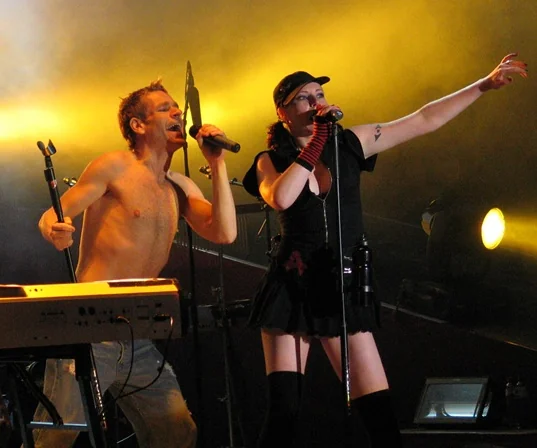
Image from Wikipedia
Image from Wikipedia
Rosenstolz: The Berlin Duo Between Chanson, Pop, and Great Emotion
A Band That Recharged German-language Pop
Rosenstolz was one of the most influential German-language pop duos of the 1990s and 2000s. From Berlin-Friedrichshain, AnNa R. and Peter Plate formed a musical partnership starting in 1991 that found its own voice between pop, chanson, and rock, becoming a significant presence in German music history over the years. Their songs combined catchy melodies with emotional directness, social openness, and a stage presence that went far beyond the classic pop format. ([universal-music.de](https://www.universal-music.de/rosenstolz/biografie))
The Beginnings in Berlin and the Path to a Distinctive Style
The roots of Rosenstolz lie in a Berlin scene where subculture, club aesthetics, and artistic individuality were closely intertwined. Their early songs were predominantly written in German and stylistically navigated between pop, chanson, and rock, often featuring ambiguous lyrics and a consciously worldly tone that Berlin media early on described as "Mondänpop." It was precisely this mix of intimacy and theatricality that made the duo distinctive even in their early phase. ([bundesstiftung-aufarbeitung.de](https://www.bundesstiftung-aufarbeitung.de/de/recherche/kataloge-datenbanken/biographische-datenbanken/andrea-anna-r-rosenbaum?utm_source=openai))
Even their debut album and early live performances demonstrated that Rosenstolz was not just another German-language pop group. AnNa R.'s distinctive voice and Plate's compositional style created a tension between vulnerability and self-assertion that ran through their entire discography. Their early success came not from quick adaptation but from stylistic independence and a consistent focus on developing their own artistic identity. ([bundesstiftung-aufarbeitung.de](https://www.bundesstiftung-aufarbeitung.de/de/recherche/kataloge-datenbanken/biographische-datenbanken/andrea-anna-r-rosenbaum?utm_source=openai))
The Breakthrough: From Cult Status to Mainstream
The major commercial breakthrough came in the late 1990s with the album Zucker, which debuted at number 2 and remained in the charts for weeks. Universal Music describes this phase as the decisive leap into the German pop Olympus; five of the next six studio albums reached the top of the charts. This transformed the Berlin cult duo into a nationally dominant act with massive reach. ([universal-music.de](https://www.universal-music.de/rosenstolz/biografie))
A particularly important milestone was the album Herz and the single Liebe ist alles, which firmly established Rosenstolz as the great emotional band of German pop. The songs combined ballad drama with pop appeal and clear, often existential language. The album dramaturgy of Herz also demonstrates this range, from balladic moments to more poppy and rock-influenced arrangements. ([en.wikipedia.org](https://en.wikipedia.org/wiki/Herz_%28album%29?utm_source=openai))
Chart Success, Television, and the Leap into the Public Eye
With Kassengift, Rosenstolz reached the pinnacle of the German album charts, while music television and live appearances further increased their visibility. Reports describe how the audience for the duo grew and diversified, significantly broadening the band's cultural reach. The sold-out concerts at the Berlin Columbia Hall and their appearance on Wetten, dass..? in 2004 marked the moment when Rosenstolz had arrived in the mainstream without sacrificing their individuality. ([en.wikipedia.org](https://en.wikipedia.org/wiki/Kassengift?utm_source=openai))
The next major highlight followed with Die Suche geht weiter and the single Gib mir Sonne, which reached number 1 on the German single charts for the first time. The song was emblematic of Rosenstolz's ability to connect loss and a celebration of life in a single pop moment. Its placement as the theme song of a TV telenovela also enhanced the duo's pop presence broadly. ([de.wikipedia.org](https://de.wikipedia.org/wiki/Die_Suche_geht_weiter))
Musical Development: From Chanson Elements to Open Pop
While the early years were heavily influenced by chanson and rock, the focus gradually shifted towards pop after 2000. Chanson elements receded, while the production became clearer, more anthemic, and radio-friendly. This evolution did not signify a stylistic loss but rather a concentration: Rosenstolz shaped their emotional imagery into even more impactful choruses and broader soundscapes. ([bundesstiftung-aufarbeitung.de](https://www.bundesstiftung-aufarbeitung.de/de/recherche/kataloge-datenbanken/biographische-datenbanken/andrea-anna-r-rosenbaum?utm_source=openai))
Indeed, the strongest songs thrived on this tension between intimacy and grandeur. For example, Gib mir Sonne intertwines existential sorrow with a life-affirming gesture that reveals the core of the Rosenstolz sound: pain is not played out but transformed into energy. Similarly, Wir sind am Leben, released in 2011 as a comeback album, echoed this attitude, making a confident statement after their hiatus. ([de.wikipedia.org](https://de.wikipedia.org/wiki/Die_Suche_geht_weiter))
Discography and Artistic Relevance
Notable albums include Soubrette werd’ ich nie, Zucker, Macht Liebe, Herz, Das große Leben, Die Suche geht weiter, and Wir sind am Leben. These releases document their evolution from Berlin scene stars to a national pop presence. Particularly, Das große Leben garnered international attention and is regarded as one of the duo's commercially most significant phases. ([bundesstiftung-aufarbeitung.de](https://www.bundesstiftung-aufarbeitung.de/de/recherche/kataloge-datenbanken/biographische-datenbanken/andrea-anna-r-rosenbaum?utm_source=openai))
The singles are also firmly entrenched in the history of German-language pop: Liebe ist alles, Ich bin ich (Wir sind wir), Gib mir Sonne, and Wie weit ist vorbei marked different stages of artistic development. Streaming and chart observations indicate that these songs remain present to this day. After AnNa R.'s passing, Rosenstolz's music returned to the German charts in 2025, underscoring the lasting resonance of their catalog. ([zeit.de](https://www.zeit.de/news/2025-03/21/musik-von-rosenstolz-ist-wieder-in-den-charts))
Reception, Awards, and Cultural Influence
The reception of Rosenstolz has been characterized by recognition, occasional controversy, and growing cultural authority. Universal Music points to numerous gold and platinum awards; Musikexpress emphasizes the duo's significant impact on the German-language music scene. For many listeners, Rosenstolz represented a pop that combined personal themes, social openness, and melodic directness into a rarely clear signature. ([universal-music.de](https://www.universal-music.de/rosenstolz/biografie))
The cultural influence extends beyond mere sales figures. The duo established an aesthetic in which self-determination, love, loss, and identity were addressed in German with unusual openness. Particularly in queer and urban environments, Rosenstolz gained a distinct radiance early on before becoming a broad pop reference over the years. This development makes the duo an important chapter in German pop and music history. ([music.apple.com](https://music.apple.com/us/artist/rosenstolz/13139819))
Current Developments and Later Impact
Rosenstolz has been in an indefinite hiatus since 2012; this break was publicly announced on December 20, 2012. In 2018, Peter Plate introduced a previously unreleased Rosenstolz song, and a new best-of album was released, in which he had a hand in the compilation. This ensured that the duo’s work remained present and lively beyond their active years. ([bundesstiftung-aufarbeitung.de](https://www.bundesstiftung-aufarbeitung.de/de/recherche/kataloge-datenbanken/biographische-datenbanken/andrea-anna-r-rosenbaum?utm_source=openai))
In 2025, Rosenstolz came back into focus as their music returned to the charts following AnNa R.'s passing. It was also announced that AnNa R. left behind a solo album, set to be released in September. These developments demonstrate the strong emotional connection to the artist and the Rosenstolz legacy that persists to this day. ([rnd.de](https://www.rnd.de/kultur/anna-r-von-rosenstolz-neues-album-nach-ihrem-tod-CPPQVIKUGNAAPIQ7JNH65A3DSA.html))
Conclusion: Why Rosenstolz Remains Exciting Today
Rosenstolz represents a rare combination of literary pop, great melody, and emotional authenticity. The duo not only made German-language music successful but also gave it a new urgency, elegance, and sense of inevitability. Those who listen to Rosenstolz today experience more than nostalgia: they encounter a body of work that resonates into the present and maintains its power in its blend of pathos, precision, and pop instinct. ([universal-music.de](https://www.universal-music.de/rosenstolz/biografie))
Particularly the live dimension is part of this band's legacy. Rosenstolz was always a stage event, carried by presence, dramaturgy, and the feeling that each song opened up a small, complete world. Anyone rediscovering the duo's music today or revisiting old favorite songs quickly understands why Rosenstolz ranks among the most important names in German pop. ([universal-music.de](https://www.universal-music.de/rosenstolz/biografie))
Official Channels of Rosenstolz:
- Instagram: no official profile found
- Facebook: no official profile found
- YouTube: no official profile found
- Spotify: no official profile found
- TikTok: no official profile found
Sources:
- Universal Music – Rosenstolz | Biography
- Universal Music – Rosenstolz | Home
- RND – AnNa R. von Rosenstolz: New Album After Her Death
- Musikexpress – Rosenstolz: New Album by AnNa R. Released Posthumously
- DIE ZEIT / dpa – Music by Rosenstolz is Back in the Charts
- Wikipedia – Rosenstolz
- Wikipedia – Die Suche geht weiter
- Wikipedia – Liebe ist alles
- Federal Foundation for Rebuilding – Andrea (Anna R.) Rosenbaum