
Paul Schallweg
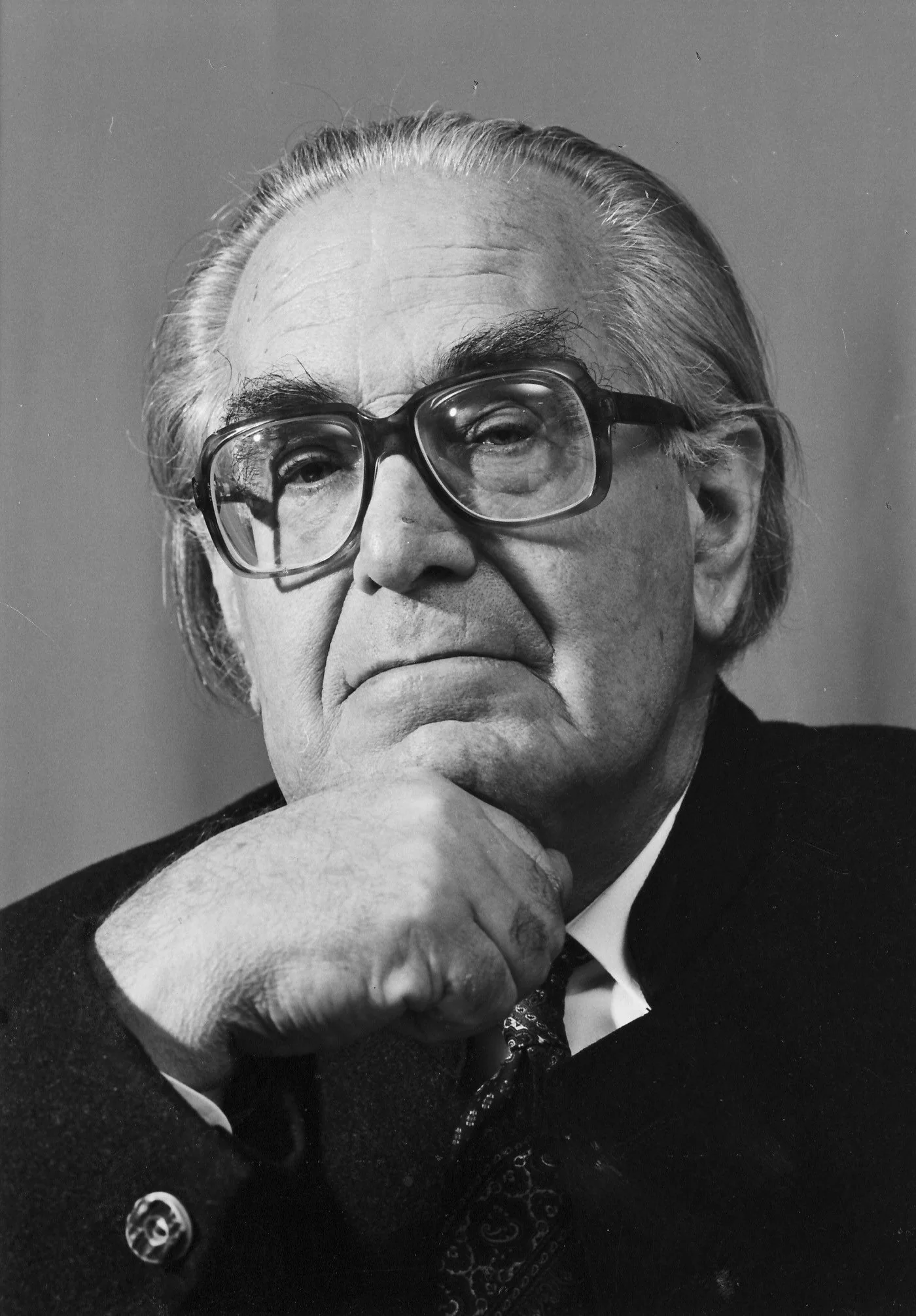
Image from Wikipedia
Image from Wikipedia
Paul Schallweg – the Bavarian Cultural Poet Between Opera, Dialect, and Patronage
A Munich Original with a Sense for Stage, Language, and Cultural Responsibility
Paul Schallweg (* November 16, 1914 in Munich; † May 8, 1998 in Bischofswiesen) was one of those personalities who not only accompanied but actively shaped the cultural life of a city. As a Bavarian writer, cultural manager, and cultural promoter, he combined literary imagination with organizational vigor and a fine sensitivity for the audience, tradition, and impact. His biography is exemplary for a cultural work that did not take place in an ivory tower but in the midst of societal practice.
Initially, Schallweg worked as an advertising businessman, publisher, and writer. Later, he became a formative figure in Munich's music and theater scene, particularly through his commitment to the reconstruction and promotion of the National Theater and the Bavarian State Opera. His name is still closely associated with the idea of making high culture accessible anew with humor, regional dialects, and a connection to everyday life.
Biographical Roots: Munich, the World of Advertising, and the Path to Cultural Work
His origin in Munich gave Schallweg an early urban yet down-to-earth perspective on Bavarian culture. He moved in an environment where language, tradition, and local identity held great significance. It was here that his special profile developed: not as a purely academic intellectual, but as a mediator between institutions, the public, and artistic demands.
His career began in business and publishing before he took on a central role at the "Friends of the National Theater e.V." starting in 1951. There, he initially served as managing director, later as a board member and chairman. These positions made him one of the important driving forces behind cultural post-war efforts in Munich, particularly in the realm of opera, theater, and musical public life.
Cultural Promoter with Impact: Reconstruction, Institutions, and Bavarian Stage
Schallweg's contributions lay not only in writing but also in the sustainable promotion of cultural infrastructure. He advocated for the reconstruction of the National Theater and additionally supported the Bavarian State Opera, the Gärtnerplatz Theater, the Prinzregententheater, and the Munich Volkstheater. Thus, he participated in several focal points of a city culture seeking new forms of identity after the war.
This combination of organizational competence and cultural passion makes his role particularly remarkable. Schallweg understood culture not as a mere prestige project but as a vibrant space for education, entertainment, and social connection. His work contributed to making Munich's theater and opera landscape a self-confident center of Bavarian culture once again.
The Literary Tone: Dialect, Wit, and the Art of Translation
As an author, Schallweg developed a style characterized by humor, linguistic wit, and a pronounced sense for popular formats. He became particularly known for his "Operas in Bavarian," in which he translated the contents of world-famous operas into original dialect verses. This concept was more than mere parody: it was a cultural translation that placed great works in a new regional resonance.
By relocating opera subjects to Bavaria and retelling them in dialect, Schallweg opened classical music to an audience that identified with this language and tone. The connection between the opera world and Bavarian expressiveness created a unique form of cultural access. This is where his lasting significance lies: he transformed distance into closeness and high culture into a shared enjoyment.
“Operas in Bavarian” as a Cultural Success Model
The "Operas in Bavarian" are still regarded as his most well-known body of work. In them, the opera tradition is not devalued but lovingly circled, ironically broken, and transferred into a new narrative form. Schallweg worked with the effects of language, rhythm, and punchiness to make familiar themes experienceable in a fresh way.
That these adaptations have continued to succeed on stages for decades demonstrates the strength of the concept. The pieces combine entertainment and knowledge, a sense of home, and musical education. They represent that rare quality where cultural mediation can remain popular, intelligent, and enduringly relevant.
Discography in a Broader Sense: Works, Stage Life, and Reception
A classical discography in the pop musical sense does not belong to Paul Schallweg's work profile. His cultural "publication history" lies rather in books, stage adaptations, and continuously performed dialect adaptations. Notable are particularly the "Operas in Bavarian" as well as other titles like "Der Wolpertinger: the Bavarian Creature" and "The Mastersingers of Miesbach and Other Bavarian Operas."
The critical reception especially emphasizes the cheerful, primal quality of his texts and his contribution to the popularization of cultural themes in Bavarian language. Even later event announcements and stage references show that his works continue to be perceived as audience magnets. Schallweg's cultural influence is thus reflected less in chart data and more in revivals, memory culture, and the lasting recognition of his name in Bavarian theater life.
Musical and Cultural Classification: Between Opera, Arrangement, and Local Color
Schallweg's work is particularly interesting from a cultural-historical perspective because it blurs the boundaries between literature, theater, and music. His texts function like dramaturgical arrangements: they compress complex opera subjects, shift perspectives, and rely on pointed linguistic condensation. In this way, he touches on central questions of music mediation without acting as a composer in the narrower sense.
The interplay of original work and dialect adaptation gives his creations a unique aesthetic tension. The local color is for him not a folkloric appendage but the fundamental principle of an accessible, pointed art form. Schallweg shows how cultural translation can become a creative act that does not replace tradition but shines a new light on it.
Cultural Influence: Why Paul Schallweg Remains Relevant Today
Paul Schallweg's significance extends beyond his immediate lifetime because he embodied a model of successful cultural work. He combined artistic writing with institutional responsibility, creating a rare dual perspective on culture: from within as an author and from outside as an organizer. This combination makes him a formative figure in Bavarian post-war culture.
For music lovers, he is particularly intriguing because he did not treat opera as a closed elite art form but as a living narrative with humor, dialect, and audience-friendly energy. Those who discover his works encounter a cultural mediator who linked the classical repertoire with regional identity, linguistic precision, and great theatrical joy. This is precisely where the lasting fascination of his creation lies.
Conclusion: A Cultural Figure with Heart, Wit, and Sustainable Radiance
Paul Schallweg remains an extraordinary figure in Bavarian cultural history: a writer, cultural manager, and promoter who developed an independent, entertaining, and at the same time intelligent form of mediation from his love for opera. His name stands for cultural responsibility, linguistic inventiveness, and the courage to think great art in an accessible way. Anyone interested in Bavarian theater history, dialect literature, and the lively side of opera will find in Schallweg a fascinating pioneer.
His work is worth rediscovery because it shows how culture can reach people without losing depth. Especially live, his texts and adaptations unfold their special power when language, performance, and musical context come together immediately. Paul Schallweg is thus a name that should not only be remembered but continues to be experienced.
Official Channels of Paul Schallweg:
- Instagram: no official profile found
- Facebook: no official profile found
- YouTube: no official profile found
- Spotify: no official profile found
- TikTok: no official profile found
Sources:
Upcoming Events
Opera in Bavarian
Operas in Bavarian by Paul Schallweg