
Klezmer
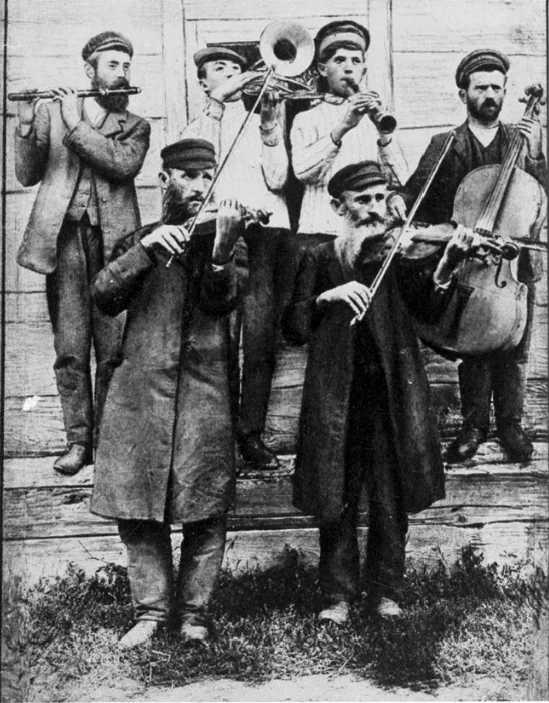
Image from Wikipedia
Image from Wikipedia
Klezmer – The Sounding Memory of the Jewish Diaspora
From the Shtetl Street to World Music: Why Klezmer Sounds So Vibrant Today
Klezmer tells in melodies what generations have experienced over centuries: weddings, processions, farewells, hope. As the instrumental folk music tradition of Ashkenazi Jews, it originated in Eastern Europe, shaped social rituals, and developed a distinctive sound language that blends laughter through tears. In modern times, Klezmer has become a global genre that connects festivals, concert halls, and dance floors – with a stage presence that moves both the heart and the feet. ([britannica.com](https://www.britannica.com/art/klezmer-music?utm_source=openai))
Origins and Term: From Musician to Music Style
The term "klezmer" originates from Hebrew-Yiddish ("klei zemer" – instrument of song) and originally referred to the musician, not the style itself. It wasn't until the late 20th century that "Klezmer" established itself as a genre name, parallel to its revival in the USA. This illustrates the artistic development from the craft of itinerant musicians to an internationally recognized music culture with its own aesthetics, didactics, and scene. ([en.wikipedia.org](https://en.wikipedia.org/wiki/Klezmer?utm_source=openai))
Instrumentation, Form Language, and Sound
The classic kapelye – the ensemble – historically formed around violin and bass, later supplemented by clarinet, brass, and the tsimbl (zimbal). Characteristic features include modal scales, microtonal embellishments, glissandi, and a vocal-imitating playing style that translates the cantorial tradition into instrumental singing. Dances such as Freylekhs, Sher, Khosidl, and the US-influenced Bulgar structure the dramaturgy of celebrations; lyrical forms like Doina or Zogekhter create moments of contemplative intensity. This musical syntax connects composition, arrangement, and improvisation into a repertoire rich in emotion. ([britannica.com](https://www.britannica.com/art/klezmer-music?utm_source=openai))
Migration and Modernity: Recording Studio Instead of Wedding Hall
With the emigration of Eastern European Jews starting in the 1880s, Klezmorim took over US cities – and the early recording industry made their art audible worldwide. Between 1910 and 1942, countless 78rpm recordings were made in New York; clarinetists like Naftule Brandwein and Dave Tarras became defining voices, oscillating between jazz rhythms, Eastern European dances, and Jewish liturgy. These documents show the production, arrangement, and performance practices of the time. ([folkways.si.edu](https://folkways.si.edu/klezmer-music-1910-1942-recordings-from-the-yivo-archives/judaica/music/album/smithsonian?utm_source=openai))
Naftule Brandwein, famous for his virtuosity and theatrical performances, exemplifies the artistic individuality of this era: the sound is sometimes fiery, sometimes bittersweet, full of trills, slides, and spontaneous variations. His work – like that of Tarras – remained a reference for generations and still influences the clarinet idiom of the genre today. ([en.wikipedia.org](https://en.wikipedia.org/wiki/Naftule_Brandwein?utm_source=openai))
Between Displacement and Revival: The Rediscovery Since the 1970s
After the Shoah and the transformation of entertainment culture, Klezmer largely disappeared from the public eye until young musicians in the 1970s discovered archive recordings, located old masters, and rearranged the tradition. Groups like The Klezmorim initiated the renaissance; festivals and workshops provided the scene with new infrastructure, aesthetics, and educational formats. This revival connected field research, artistic practice, and community work – a genuine music career movement. ([folkways.si.edu](https://folkways.si.edu/klezmorim/first-recordings-1976-78/world/music/album/smithsonian?utm_source=openai))
Discography Milestones and Critical Reception
The discography of the genre is as diverse as its paths. Early digitized YIVO archive recordings document the pioneering era – rhythmically robust, melodically intricate, rich in instrumental rhetoric. In the 1990s, The Klezmatics set artistic standards between tradition and contemporary production: Rhythm and Jews combined historical modes, freye nignim, and modern grooves; critics highlighted the connection between syncopated drive, blue notes, and arranging craftsmanship. Such albums show how composition and arrangement became discussable in Klezmer. ([folkways.si.edu](https://folkways.si.edu/klezmer-music-1910-1942-recordings-from-the-yivo-archives/judaica/music/album/smithsonian?utm_source=openai))
International acclaim was demonstrated by the album Wonder Wheel by The Klezmatics, which breathed new musical life into unpublished texts by Woody Guthrie. It won the GRAMMY in 2007 for Best Contemporary World Music Album, marking a cultural-historical culmination: Klezmer as a production aesthetic arranging American folk lyrics with Jewish sound signatures. ([grammy.com](https://www.grammy.com/artists/klezmatics/15879?utm_source=openai))
Style Analysis: Emotion, Technique, and Dramaturgy
Klezmer thrives on dialectical dramaturgy – alternating between ecstatic dance energy and intimate lament. Technically, ornamentation (krekhts, trills), flexible phrasing, rubato-like introductions (doina), and improvisational variations define the idiom. The ensemble culture works with melodic leads, counterpoint in accompaniment, ostinato bass lines, and responsive playing, often in rondo structures of the dance movements. This combination of history, composition, arrangement, and spontaneous creation produces the strong stage presence that makes live experiences so captivating. ([britannica.com](https://www.britannica.com/art/klezmer-music?utm_source=openai))
Cultural Context and Influence
Historically, Klezmer has exchanged ideas with Romanian, Moldovan, Ukrainian, and Ottoman idioms; in the USA, the genre merged with jazz, dance orchestra aesthetics, and later world music. The scene professionalized through educational programs, archives, and summer schools; at the same time, Klezmer remained dance music that fosters social community. In this dual role – cultural memory and performative present – lies its enduring relevance. ([britannica.com](https://www.britannica.com/art/klezmer-music?utm_source=openai))
Present Day: Festivals, Projects, and the Stage of Today
The younger scene shows curatorial diversity and international networking. Series like the New York Klezmer Series connect concerts, workshops, jam sessions, and Yiddish dance events; after an active winter season in 2025, the series plans to continue from January 2026 and thus keeps the community-based transmission alive. In Europe, the festival "klezmer.welten" (Gelsenkirchen/Ruhr area) will set accents between tradition and contemporary programs in 2026. These platforms equally strengthen artistic development, repertoire preservation, and support for newcomers. ([nyklezmer.com](https://nyklezmer.com/?utm_source=openai))
Individual ensembles also showcase the range of production: The New York women's sextet Isle of Klezbos has been performing on international stages since the late 1990s and plans new projects in 2025; in Israel, the Israel Klezmer Orchestra pursues a large-scale orchestral sound presentation. Such projects expand arrangement, instrumentation, and audience access – keeping the style aesthetically dynamic. ([klezbos.com](https://www.klezbos.com/?utm_source=openai))
Listening Guide: From Doina to Freylekhs
Those looking to discover Klezmer should ideally start with historical YIVO recordings to internalize the idiomatic articulation. This is followed by stops at Brandwein and Tarras (the clarinet canon), revival documents from the 1970s and 80s (e.g., The Klezmorim), and curated albums from the 1990s and 2000s that expand sound colors, rhythmic groups, and harmonies. More modern productions show how producing, mixing, and mastering translate the energy of traditional dance music into today's sound aesthetics. ([folkways.si.edu](https://folkways.si.edu/klezmer-music-1910-1942-recordings-from-the-yivo-archives/judaica/music/album/smithsonian?utm_source=openai))
Conclusion: Why Klezmer Touches – and Overwhelms Live
Klezmer combines experiential storytelling with musical virtuosity. The music condenses biography, migration, and community into a resonating dramaturgy that captivates both connoisseurs and newcomers. Those wanting to trace the artistic development of the genre should seek live situations: It is there that moments between doina and freylekhs arise, where sound becomes celebration – and a concert becomes a memory that one takes home.
Official Klezmer Channels:
- Instagram: No official profile found
- Facebook: No official profile found
- YouTube: No official profile found
- Spotify: No official profile found
- TikTok: No official profile found
Sources:
- Wikipedia (DE) – Klezmer
- Encyclopaedia Britannica – Klezmer music
- Smithsonian Folkways – The Klezmorim: First Recordings 1976–78
- Smithsonian Folkways – Klezmer Music 1910–1942 (YIVO Archives)
- GRAMMY.com – The Klezmatics (Awards & Nominations)
- The Klezmatics – Wonder Wheel (Album Page)
- New York Klezmer Series – Official Page
- klezmer.welten – International Yiddish Music Festival (2026)
- Wikipedia (EN) – Naftule Brandwein
- Wikipedia: Image and text source
Upcoming Events
tune learning session – Klezmer on the spot
Dive into Klezmer: At KULT41 you learn tunes by ear and jam them immediately. Tuesday, April 14, 20:00–22:00, free entry. Community, groove, goosebumps – come join! #BonnCulture
Anniversary Concert Klezmer Orchestra Erfurt
Celebrate 10 years of Klezmer Orchestra Erfurt with a lively concert at the Erfurt Theater.
Jazz-Breakfast with Klezmer – Bad Kissingen
Sensitive Klezmer sounds for breakfast at the Spa Garden Café Bad Kissingen. Intimate morning concert, warm acoustics, relaxed atmosphere. 21.06.2026, time/price to follow. Experience, enjoy, spread the word. #BadKissingen
Munich Klezmer Trio
A free Klezmer afternoon in Augsburg: The Munich Klezmer Trio plays in the Kulperhütte with swing, emotion, and summer air. 07/19/2026, 4 PM. #Augsburg #Klezmer