
Guido Reni
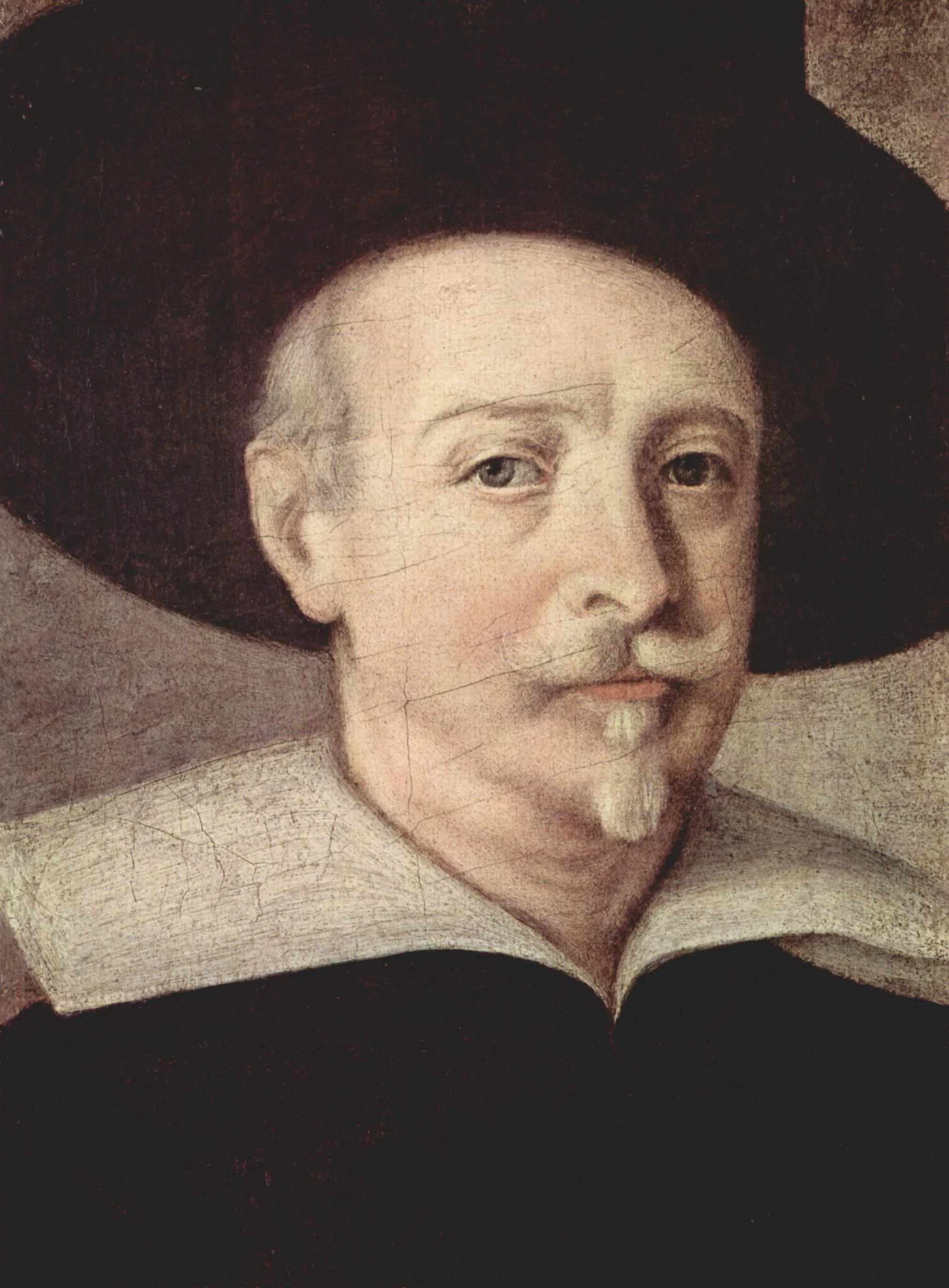
Image from Wikipedia
Image from Wikipedia
Guido Reni: The Divine Master of Baroque Classicism
An Artist Between Devotion, Elegance, and European Fame
Guido Reni is one of the great names in the history of Italian art in the 17th century. Born in Bologna in 1575, the painter, fresco artist, and etcher shaped a distinctive and unmistakable style with his blend of Baroque imagery and classical discipline. Even during his lifetime, he was seen as an extraordinary figure; the nickname il divino reflects both his fame and the spiritual aura of his works. ([britannica.com](https://www.britannica.com/biography/Guido-Reni))
Reni worked primarily in Bologna and Rome and became a leading representative of a Baroque Classicism that contained the pathos of his era with formal clarity. His art combined religious fervor, mythological narrative power, and a remarkable elegance in the handling of figures. This very balance made him one of the most esteemed painters of his time and an artist whose influence extended far beyond Italian painting. ([britannica.com](https://www.britannica.com/biography/Guido-Reni))
Biography: From Bologna to Rome and Back Home
Guido Reni was born on November 4, 1575, in Bologna and began his artistic training at the age of ten with the Flemish painter Denis Calvaert. He was later influenced by the Carracci, whose innovative naturalism directed him toward a stylistic maturity. In 1599, he was admitted to the painters' guild; from 1601 onward, he split his time between Bologna and Rome. ([britannica.com](https://www.britannica.com/biography/Guido-Reni))
In Rome, Reni worked for powerful patrons such as Pope Paul V and Scipione Borghese. These years brought him important fresco commissions in chapels and private rooms of the Roman power center and solidified his reputation as an artist of the highest rank. The Städel Museum describes him as a "star" of his time, around whom nobles and clergy competed. ([britannica.com](https://www.britannica.com/biography/Guido-Reni))
Reni was not a silent workshop figure, but a personality with a strong sense of self. Contemporary and early modern accounts portray him as deeply religious, superstitious, successful in the art market, and also drawn to gambling. This tension between discipline and excess is as much a part of his biography as is the conscious staging of his own name, preserved in sketches and notes. ([newsroom.staedelmuseum.de](https://newsroom.staedelmuseum.de/system/files_force/field/file/2022/02_st_press_reni_walltexts.pdf))
Career Highlights: Frescoes, Altars, and the Art of Celestial Order
Among Reni's earliest major successes are commissions in Rome for ecclesiastical and aristocratic patrons. Notably, the fresco Aurora in the Casino Rospigliosi in Rome, which was created between 1612 and 1614, became a must-see on every trip to Rome until the 19th century. The work depicts Apollo in a ceremonial procession in the sky and has been praised as "painted poetry." ([reni.staedelmuseum.de](https://reni.staedelmuseum.de/narration/))
In his religious and mythological paintings, Reni developed a visual language that reconciles Baroque movement with classical tranquility. His figures often appear idealized, trained in ancient models, and carried by a near-musical harmony. This controlled elevation distinguishes him from the more dramatic tendencies of his time and explains why he is considered a master of "Baroque Classicism." ([britannica.com](https://www.britannica.com/biography/Guido-Reni))
In his later works, the focus increasingly shifted to lighter tones, softer coloration, and freer brush movements. The final years reveal an artist who refined his visual language and reduced materiality in favor of an almost ethereal effect. This very development imbues his late works with a quiet, almost floating intensity. ([britannica.com](https://www.britannica.com/biography/Guido-Reni))
Works and Work Groups: The Great Visual Language of Guido Reni
A central motif in Reni's oeuvre is the depiction of the Virgin Mary, which he increasingly concentrated on as a floating, transcendent figure over the years. These Marian images combine piety with a distinctly elegant composition and are among the most recognized expressions of his religious oeuvre. The Städel Museum emphasizes that these reduced representations led to renewed fame time and again. ([reni.staedelmuseum.de](https://reni.staedelmuseum.de/narration/))
Mythological subjects like Atalanta and Hippomenes also showcase his preference for gracefully posed bodies and a pictorial order that draws on ancient ideals. Reni composed not for effect but for clarity, proportion, and spiritual uplift. Thus lies the enduring fascination of his art: it is at once sensual and transcendent, worldly and otherworldly. ([britannica.com](https://www.britannica.com/biography/Guido-Reni))
His drawings and etchings also demonstrate a remarkably precise planning of his works. The artist developed compositions with great care, and preserved studies show how monumental ceiling and altar paintings grew from small sketches. This methodological aspect makes his art especially interesting, as it reveals the connection between intuition, discipline, and academic training. ([reni.staedelmuseum.de](https://reni.staedelmuseum.de/narration/))
Style and Artistic Development: Between Baroque and Classical Rigidity
Guido Reni developed an aesthetic that does not reject the exuberance of the Baroque but refines it. His forms remain controlled, the gestures clear, and the faces idealized. It is precisely for this reason that his painting became an epitome of dignity and beauty for many viewers. Britannica describes how he balanced Baroque opulence and complexity with classical restraint. ([britannica.com](https://www.britannica.com/biography/Guido-Reni))
In the early phase, powerful frescoes and large-scale religious cycles dominate, while the late works prefer a softer, more flowing line. This change affects not only the brushstroke but also the overall atmospheric management of the images. Light, color, and corporeality increasingly enter a state of refinement that appears almost weightless. ([artedossier.it](https://www.artedossier.it/en/art-history/artist/reni-guido/))
This development explains why Guido Reni is continually reevaluated in art historical debates and exhibitions. The Städel Museum highlights that his works were long underestimated, yet in the 17th century they were among the most successful and celebrated paintings in Europe. His position thus fluctuated between canonization, obscurity, and rediscovery. ([newsroom.staedelmuseum.de](https://newsroom.staedelmuseum.de/system/files_force/field/file/2022/02_st_press_reni_walltexts.pdf))
Critical Reception and Cultural Influence
Reni was a superstar of European painting during his lifetime. Nobles and clergy competed for works from his hand, and his visual inventions were widely copied, referenced, and further processed. The impact of Aurora or his Marian images illustrates how profoundly his work shaped the visual taste of an entire era. ([reni.staedelmuseum.de](https://reni.staedelmuseum.de/narration/))
In the 19th century, his art lost prestige as other aesthetic paradigms took center stage. Only after World War II did a renewed art historical reassessment occur, highlighting his significance as one of the most important painters of Italian Baroque. Today, Reni is regarded as a key figure bridging religious image piety, courtly representation, and classical formal rigor. ([newsroom.staedelmuseum.de](https://newsroom.staedelmuseum.de/system/files_force/field/file/2022/02_st_press_reni_walltexts.pdf))
His cultural influence extends into modern museum and research history. Major exhibitions, scholarly catalogs, and digital presentations have helped to illuminate the complex personality of the artist and the multifaceted nature of his work. Thus, Guido Reni remains not only a name of the past but a permanently relevant reference point in European art history. ([reni.staedelmuseum.de](https://reni.staedelmuseum.de/narration/))
Current Research and New Perspectives
Recent research is particularly interested in Reni's workshop practices, his drawings, his networks of commissions, and the precise evolution of his late style. The Städel Museum's digitorial points to the significance of Malvasia's early biography, which continues to be regarded as one of the most important sources on Reni's life and self-understanding. At the same time, current exhibitions demonstrate how vibrant the engagement with his work remains. ([reni.staedelmuseum.de](https://reni.staedelmuseum.de/narration/))
Additionally, individual studies on composition, color, and iconography have opened new insights in recent years. This applies to both the iconic Aurora and later, softer-hued images like The Sibyl or St. Sebastian, which document Reni's evolution from splendid Baroque to a subtler, almost translucent painting. ([artedossier.it](https://www.artedossier.it/en/art-history/artist/reni-guido/))
Conclusion: Why Guido Reni Continues to Fascinate
Guido Reni fascinates because his art connects the grand with the delicate. He created images of extraordinary grace, spiritual power, and formal purity that transform the Baroque exuberance into a classical order. Anyone who engages with him encounters an artist of international standing, whose work continues to find new admirers. ([britannica.com](https://www.britannica.com/biography/Guido-Reni))
It is precisely the mix of fame, personal eccentricity, and stylistic consistency that makes him intriguing. His painting remains an experience for the eyes and the spirit: precisely composed, emotionally charged, and characterized by a beauty that is not loud but lasting. Anyone who encounters Guido Reni live in an exhibition immediately understands why his contemporaries called him divino. ([reni.staedelmuseum.de](https://reni.staedelmuseum.de/narration/))
Official Channels of Guido Reni:
- Instagram: no official profile found
- Facebook: no official profile found
- YouTube: no official profile found
- Spotify: no official profile found
- TikTok: no official profile found