
Engelbert Humperdinck
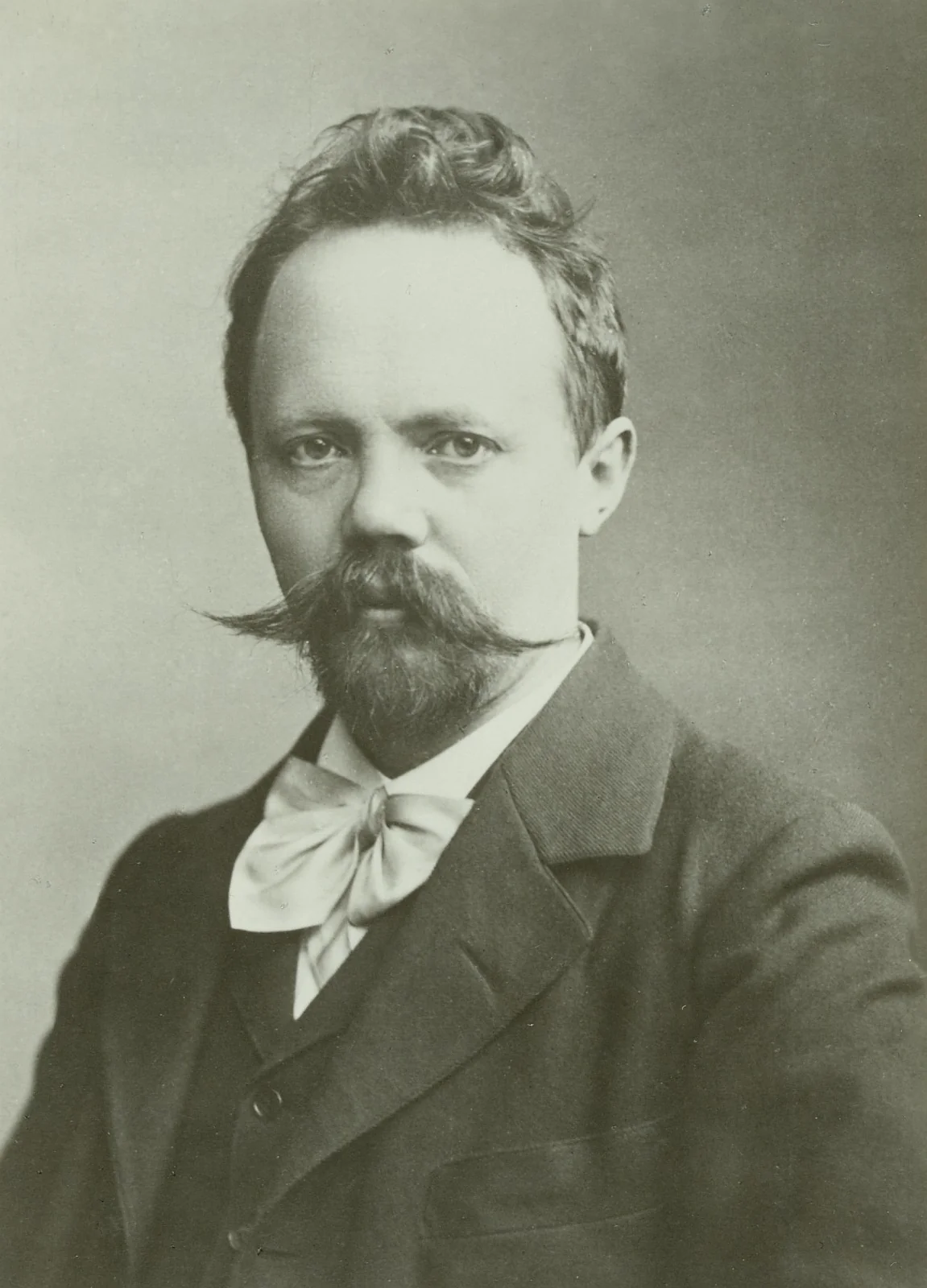
Image from Wikipedia
Image from Wikipedia
Engelbert Humperdinck – The Composer Behind the Fairy Tale Opera that Made Music History
A German Late Romantic between Wagner's Echo, Fairy Tale World, and Opera Stage
Engelbert Humperdinck (1854–1921) is one of those composers whose name remains inseparably linked to a single work yet tells much more. Born on September 1, 1854, in Siegburg and died on September 27, 1921, in Neustrelitz, he shaped German Late Romanticism with a distinctive style that combines dramatic density, folk-like melody, and finely crafted orchestration. He became world-famous primarily for his fairy tale opera Hänsel und Gretel, which is still considered his central masterpiece. ([britannica.com](https://www.britannica.com/biography/Engelbert-Humperdinck?utm_source=openai))
Biographical Roots and Early Influences
Humperdinck grew up in a musical and educational middle-class environment. His talent showed early on, first at the piano, later in intense engagement with composition and theater music. His career developed not in a straightforward manner, but through studies, apprenticeships, and work for the stage, which shaped him into a composer who condensed dramatic situations with a keen sense for atmosphere and character portrayal. This early influence explains why his works often balance between intimate melody and the grand space of opera. ([mnopera.org](https://mnopera.org/biography/engelbert-humperdinck/?utm_source=openai))
Particularly influential was his proximity to the Wagnerian sound world, without being absorbed by it. Experts describe him as a composer who absorbed Richard Wagner’s musical teachings and transformed them into a more elegant and often more accessible musical language. This is a significant part of his appeal: Humperdinck did not create mere successors; rather, he continued the romantic opera tradition with stylistic refinement and distinctly his own color. ([metopera.org](https://www.metopera.org/user-information/old-seasons/2020-21/hansel-and-gretel/?utm_source=openai))
The Major Breakthrough with Hänsel und Gretel
The pivotal turning point in Humperdinck's musical career was the premiere of Hänsel und Gretel on December 23, 1893, in Weimar. The work quickly became his most recognized and successful contribution to the operatic literature, establishing his international reputation. The opera combines fairy tale themes, familial warmth, and musical sophistication in a way that continues to attract both audiences and repertoire organizations today. ([britannica.com](https://www.britannica.com/topic/Hansel-and-Gretel-opera-by-Humperdinck?utm_source=openai))
The Met Opera describes the work as Humperdinck's first complete opera and the foundation of his fame. Other institutions emphasize that the score combines Wagnerian influences with a charming ease that is distinctly Humperdinck's. This delicate balance is what makes Hänsel und Gretel a classic: The music is masterfully constructed but remains immediately understandable at its emotional core. ([metopera.org](https://www.metopera.org/user-information/old-seasons/2020-21/hansel-and-gretel/?utm_source=openai))
Other Operas, Theater Music, and Compositional Diversity
Anyone who reduces Humperdinck to just Hänsel und Gretel misses the breadth of his oeuvre. Between 1895 and 1919, he created other operas, including Dornröschen, Königskinder, Die Heirat wider Willen, Die Marketenderin, and Gaudeamus. This is complemented by stage music for works by Aristophanes, Shakespeare, and Maeterlinck, as well as orchestral and chamber music compositions. ([britannica.com](https://www.britannica.com/biography/Engelbert-Humperdinck?utm_source=openai))
Particularly Königskinder holds a special place in his development because, in this work, Humperdinck experimented with melodramatic forms and the technique of Sprechgesang. Scholarly literature also highlights that he worked with melodic and scenic forms that finely characterize his music theater works both dramatically and narratively. Even though many of these pieces are performed less frequently, they showcase a composer with broad compositional imagination and a keen sense for stage effect and vocal line. ([classical-music.com](https://www.classical-music.com/features/composers/engelbert-humperdinck?utm_source=openai))
Style, Composition, and Musical Language
Humperdinck's style belongs to the late Romantic period but is lighter and more accessible than the heavy, monumental tones of some contemporaries. His instrumentation works with bright colors, smooth transitions, and a careful dramaturgy of motifs. Especially in Hänsel und Gretel, a sound world unfolds that combines childlike immediacy with sophisticated composition. ([metopera.org](https://www.metopera.org/user-information/old-seasons/2020-21/hansel-and-gretel/?utm_source=openai))
Another hallmark of his artistic development is the proximity to theater. Humperdinck did not only compose operas but also incidental and accompanying music, which often gives his works a high degree of scenic precision. This combination of dramatic function and musical substance makes him equally interesting to music lovers, opera enthusiasts, and cultural historians. ([britannica.com](https://www.britannica.com/biography/Engelbert-Humperdinck?utm_source=openai))
Critical Reception and Cultural Impact
The reception of Humperdinck is still marked by a paradox: on one hand, he is regarded as the composer of one immortal success; on the other hand, expert sources indicate that his complete works are decidedly more complex. Hänsel und Gretel remains his greatest triumph and enduring calling card; later operas did not reach this level of brilliance. Nevertheless, opera houses and music references acknowledge his contribution to German opera as an important bridge between Wagner’s influence and a more accessible, fairy tale-inspired stage aesthetics. ([britannica.com](https://www.britannica.com/biography/Engelbert-Humperdinck?utm_source=openai))
Historically, Humperdinck remains relevant because he demonstrated how late Romantic harmony, choral moments, and folk-like elements can combine into a popular yet sophisticated music theater. The fact that Hänsel und Gretel continues to appear regularly in opera programs, introductions, and educational materials confirms this lasting cultural presence. His music does not feel museum-like but rather alive, as it frames the essence of the fairy tale with serious compositional discipline. ([metopera.org](https://www.metopera.org/user-information/old-seasons/2020-21/hansel-and-gretel/?utm_source=openai))
Teaching Activity and Influence on Subsequent Generations
Humperdinck worked not only as a composer but also as a formative teacher. Classical Music sources highlight that he taught several important students, including later independent composers of various styles. This educational lineage broadens his profile: he was not only the creator of a famous work but also a mediator of compositional thinking during the transition from the 19th to the 20th century. ([classical-music.com](https://www.classical-music.com/features/composers/engelbert-humperdinck?utm_source=openai))
Thus, his artist biography gains additional depth. Humperdinck represents a generation that did not merely manage musical tradition but developed, condensed, and opened it up for new dramatic contexts. His significance lies not only in his repertoire success but also in the cultural transmission of style, awareness of form, and understanding of theater. ([classical-music.com](https://www.classical-music.com/features/composers/engelbert-humperdinck?utm_source=openai))
Current Projects and Publications
As a historical composer, Engelbert Humperdinck naturally does not have current projects, new albums, or tours. His presence in the 21st century arises through revivals, recordings, programmatic rediscoveries, and the ongoing relevance of Hänsel und Gretel in the operatic repertoire. This lasting stage presence shows that a work from the late 19th century can still be vibrantly curated and heard anew today. ([metopera.org](https://www.metopera.org/user-information/old-seasons/2020-21/hansel-and-gretel/?utm_source=openai))
His discography in a broader sense therefore primarily consists of operas, stage music, and recordings of the central repertoire work. For music enthusiasts, this is an invitation to discover the other scores beyond the famous title and to follow Humperdinck's stylistic development in all its breadth. ([britannica.com](https://www.britannica.com/biography/Engelbert-Humperdinck?utm_source=openai))
Conclusion: Why Engelbert Humperdinck Continues to Fascinate Today
Engelbert Humperdinck remains intriguing because he occupies a distinctive niche in music history: He is the composer of a universally beloved fairy tale classic and at the same time a sensitive theater musician of the Late Romantic era. His career connects artistic discipline, melodic catchiness, and compositional sophistication into a work that continues to touch audiences today. Anyone who wants to understand opera not merely as a museum but as a living narrative art should listen to Humperdinck and experience his stage music in a concert or opera house. ([metopera.org](https://www.metopera.org/user-information/old-seasons/2020-21/hansel-and-gretel/?utm_source=openai))
Official Channels of Engelbert Humperdinck:
- Instagram: No official profile found
- Facebook: No official profile found
- YouTube: No official profile found
- Spotify: No official profile found
- TikTok: No official profile found
Sources:
- Britannica – Engelbert Humperdinck
- Metropolitan Opera – Hansel and Gretel
- Metropolitan Opera – From the Archives: Humperdinck at the Met
- Minnesota Opera – Engelbert Humperdinck
- Britannica – Hänsel und Gretel
- Classical Music – Humperdinck, Engelbert
- Opéra de Montréal – Engelbert Humperdinck
- Helbling Publishing – Engelbert Humperdinck
- Wikipedia: Image and text source – Engelbert Humperdinck
Upcoming Events
Hansel and Gretel
Hansel and Gretel
Hansel and Gretel
Hansel and Gretel
Hansel and Gretel at the Bamberg Puppet Theater
Hansel and Gretel
Reprisal of Hansel and Gretel
Hansel and Gretel
Hansel and Gretel by Engelbert Humperdinck