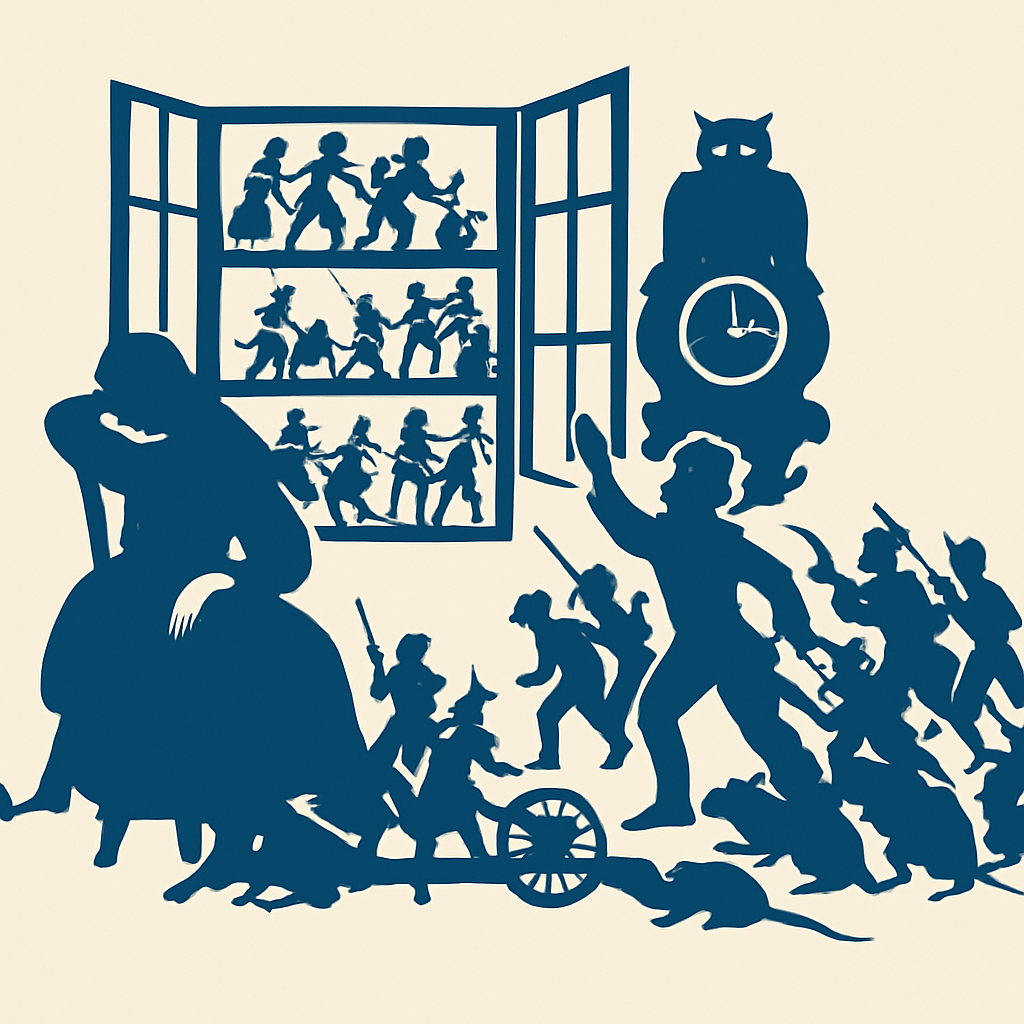
E. T. A. Hoffmann
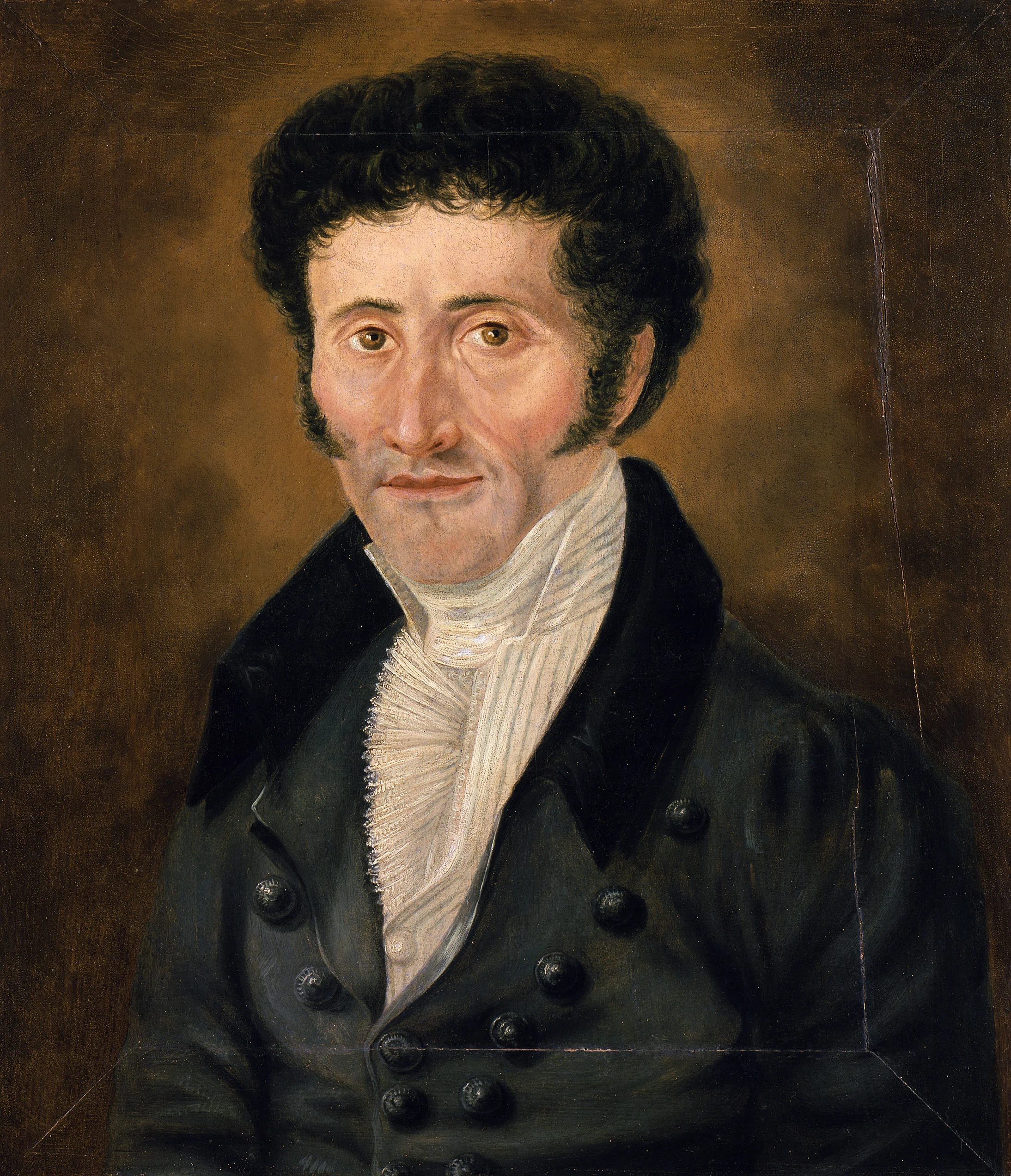
Image from Wikipedia
Image from Wikipedia
E. T. A. Hoffmann: The Romantic Boundary Crosser between Literature, Music, and Fantasy
An artist of the Romantic era who thought, wrote, and lived music
E. T. A. Hoffmann is one of the most fascinating double talents in the history of German culture. As a writer of the Romantic period, he had a lasting impact on fantastic narrative literature, while also working as a composer, conductor, and music critic. His biography intertwines jurisprudence, theatrical practice, and artistic reflection into an exceptional life path that reaches far beyond the confines of a single discipline.
He was born on January 24, 1776, in Königsberg as Ernst Theodor Wilhelm Hoffmann, later adopting the name Ernst Theodor Amadeus Hoffmann. His work symbolizes the productive tension between civic order and imaginative freedom, between the office and the artist's existence. This friction made him one of the most influential voices of Romanticism and an author whose thoughts on music still resonate today.
Early years in Königsberg: Education at the intersection of law and art
Hoffmann grew up in East Prussia and studied law in Königsberg. However, it quickly became evident that he was interested not only in legal systems but also in theater, visual arts, and especially music. This versatility accompanied him from the start and became a hallmark of his later musical career and literary work.
His education led him towards the professional paths of the Prussian civil service, yet Hoffmann was never merely a bureaucrat. He drew, composed, wrote, and observed the effect of art on humanity with analytical acuity. From this early connection between discipline and imagination emerged the aesthetic thinking that characterizes his texts and music theoretical writings.
The breakthrough as a writer and music thinker
His literary breakthrough came relatively late. It was only from 1814 onwards, when tales from the world of fantasy and horror romance reached a wider audience, that his writing career took on the momentum that made him famous. Works like the "Fantasiestücke in Callots Manier" established Hoffmann as a master of the uncanny, the doppelgänger, and psychological depth.
Alongside this, he forged a unique position in music aesthetics. In Bamberg and Dresden, he worked as a conductor, theater musician, and critic before taking a position as a legal official in Berlin while continuing to write. His reviews of Beethoven and his considerations on instrumental music are among the most significant music aesthetic texts of the Romantic period and made him an authority on musical reflection.
Conductor, critic, composer: Hoffmann's musical practice
Hoffmann was not only an observer but also an active musician. He composed, conducted performances, and worked directly in the theater business. This practical experience lent weight to his music theoretical texts, as they arose not from detached theory but from the everyday reality of performance practice. Particularly his time in Bamberg is regarded as crucial, as it deepened his engagement with writing and aesthetic self-understanding.
His conception of music was rooted in the Romantic idea that instrumental music possesses a particular depth that transcends language. In this thinking, he connected sonic form, emotional impact, and spiritual transcendence. This very aspect underlies his lasting importance for music journalism, music historiography, and Romantic compositional aesthetics.
The literary power of music: Kreisler, Kater Murr, and Romantic aesthetics
Hoffmann developed the character of the conductor Johannes Kreisler as a literary alter ego that exemplarily embodies his artistic inner turmoil. Kreisler represents the sensitive, often eccentric image of the artist from the Romantic era, which opposes the logic of commodification, superficiality, and societal normalization. This figure runs through several texts and imparts a musical inner structure to Hoffmann's work.
Also in "Lebensansichten des Katers Murr," it is evident how closely Hoffmann connects music, irony, and conceptual thinking. The novel montages biographical, satirical, and reflexive levels and demonstrates a remarkably modern understanding of narrative architecture. For the fields of literature and music history, this work is a key text as it not only celebrates the Romantic artist figure but also questions it critically.
Discography in an extended sense: Compositions, stage music, and reception
By definition, Hoffmann does not have a classical discography in the modern pop sense. However, his musical oeuvre encompasses compositions, stage music, and smaller published pieces that testify to his status as a serious musician. Historical reception shows that his musical works, while not reaching the same distribution as his literary texts, were understood as part of a comprehensive artist profile within Romanticism.
Additionally, there is his historical impact on music itself. Jacques Offenbach's opera "The Tales of Hoffmann" made him a central figure in a later operatic tradition, while Richard Wagner, Paul Hindemith, and other composers referenced his themes and aesthetic ideas. Thus, Hoffmann became an author whose creative signature extends deeply into music and remains relevant into modern times.
Critical reception and cultural influence
The critical appraisal of Hoffmann has been remarkably consistent. As a storyteller, he is regarded as one of the most influential German-speaking authors between Goethe and Kafka, while his writings on music are considered foundational texts of Romantic music aesthetics. His blend of analytical precision, imagination, and psychological depth has made him relevant for generations of readers, musicians, and critics.
His influence stretches beyond German literature. Russian, French, American, and Spanish authors have been shaped by his narratives, and music journalism and musicology still reference his positions today. Hoffmann's cultural significance lies precisely in this interdisciplinary reach: he embodies the roles of writer, composer, critic, and catalyst of Romantic artistic ideas in one person.
Hoffmann's style: Fantasy, irony, and the music of language
Stylistically, Hoffmann connects the uncanny with the precise, the grotesque with poetic seriousness. His prose works with contrasts, ruptures, and abrupt shifts in perspective, often acquiring an almost musical dynamism. Characters, motifs, and scenes recur, vary, and develop an inner rhythm reminiscent of compositional processes.
This musical quality of language enhances his stature as an author. In his narratives, horror literature, fairy tale poetics, and psychological observation merge into an art form that profoundly impacts modernity. Hoffmann's texts are therefore not only literary works but also documents of an aesthetic mindset in which music serves as a model for form, mood, and expression.
Later years and lasting significance
Hoffmann passed away on June 25, 1822, in Berlin, but his influence continued unabated. His name stands for an artist who not only represented Romanticism but also significantly shaped its polyphony. The combination of a legal career, theatrical practice, musical reflection, and literary innovation still makes him an exceptional figure today.
Anyone who reads Hoffmann or follows his ideas on music encounters an author of astonishing modernity. He thinks of art as a space of experience, a field of conflict, and a form of knowledge. This enduring tension is precisely what makes Hoffmann compelling: he is not merely a classic, but a boundary crosser whose work continues to resonate with contemporary readers, musicians, and cultural critics.
Conclusion: Why E. T. A. Hoffmann continues to fascinate today
E. T. A. Hoffmann captivates because he intertwined literature and music at the highest level. His artistic development reveals an author who, from the practice of musical life, created one of the most impactful poetic worlds of Romanticism. Between composition, criticism, and narrative art, a total work of extraordinary density and radiance emerges.
Because Hoffmann unites so many art forms within himself, he remains exciting for both music lovers and cultural enthusiasts alike. Discovering his texts, his writings on music aesthetics, and his influence history means experiencing a classic that remains vibrant today. A visit to his works is always worthwhile – in the concert hall of ideas as well as in the history of Romanticism.
Official channels of E. T. A. Hoffmann:
- Instagram: no official profile found
- Facebook: no official profile found
- YouTube: no official profile found
- Spotify: no official profile found
- TikTok: no official profile found
Sources:
- Britannica – E.T.A. Hoffmann
- E.T.A. Hoffmann Portal of the Berlin State Library – Short Biography
- deutsche-und-polen.de – Biography: E.T.A. Hoffmann
- Heidelberg University – New TONKUNST Edition: E.T.A. Hoffmann for his 250th Birthday
- German Biography – E. T. A. Hoffmann
- Wikipedia – E. T. A. Hoffmann
Upcoming Events
The Golden Pot
The Golden Pot
The Golden Pot – E. T. A. Hoffmann in Bamberg
E.T.A. Hoffmann and the Secret Behind the Wall
The Golden Pot
E. T. A. Hoffmann: Happy a Little Joke! in Bamberg
E. T. A. Hoffmann global. Border Crossings of Fantasy
E. T. A. Hoffmann global
E. T. A. Hoffmann global. Border Crossings of Fantasy