
Anton Pawlowitsch Tschechow
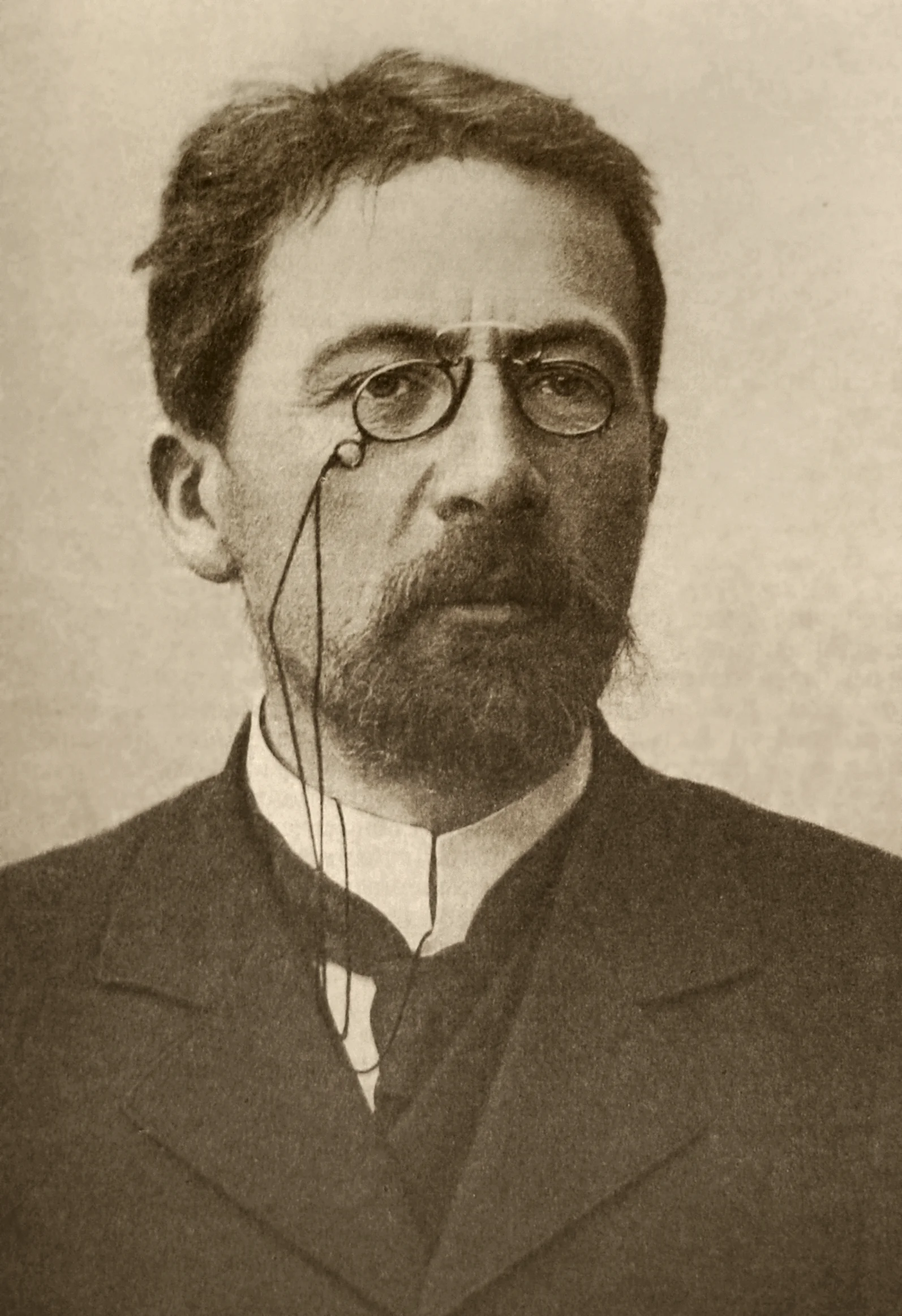
Image from Wikipedia
Image from Wikipedia
Anton Pavlovich Chekhov: The Master of Subtle Drama and Modern Narrative Art
A writer who redefined the stage of world literature
Anton Pavlovich Chekhov is one of those authors whose work still resonates with remarkable freshness today. Born on January 29, 1860, in Taganrog and died on July 14/15, 1904, in Badenweiler, he combined literary precision with an unobtrusive eye for human weaknesses, longings, and self-deceptions. As a doctor, storyteller, and playwright, he created an oeuvre that transformed the Russian province, the mundane, and the seemingly unremarkable into great literature. ([britannica.com](https://www.britannica.com/biography/Anton-Chekhov?utm_source=openai))
Biography: Origins, Education, and a Life Between Medicine and Literature
Chekhov came from a lower-middle-class family in southern Russia. His father was a strict merchant from a peasant background; his childhood was marked by discipline, economic pressure, and experiences of a simple, labor-oriented environment. These early impressions shaped his view of social hierarchies, family tensions, and the fragile inner life of ordinary people. Later, this very milieu found its way into the stories and dramas that made him famous. ([britannica.com](https://www.britannica.com/biography/Anton-Chekhov?utm_source=openai))
After attending school in Taganrog, Chekhov went to Moscow to study medicine. To support his family, he simultaneously wrote short humorous texts and sketches for magazines, often under pseudonyms. This dual existence as a physician and author wasn't contradictory; rather, it formed the basis of his literary method: observing accurately, formulating concisely, and extracting psychological truths from small gestures and casual remarks. His medical career remained important but was often overshadowed by his writing in practice. ([britannica.com](https://www.britannica.com/biography/Anton-Chekhov?utm_source=openai))
The Literary Breakthrough: From Short Prose to Great Plays
In the 1880s, Chekhov evolved from a satirist and feuilletonist into an author of immense stylistic independence. Initially, he was known for short, humorous, and often ironic texts, but soon his true greatness as a prose writer became apparent: the ability to reveal entire worlds of life in compressed forms. His stories became shorter, more concentrated, and psychologically denser, without losing atmospheric depth. ([britannica.com](https://www.britannica.com/biography/Anton-Chekhov?utm_source=openai))
His dramatic breakthrough came with plays that are now part of the core repertoire of world theatre. Works like Ivanov, The Seagull, Uncle Vanya, Three Sisters, and The Cherry Orchard depict characters who become lost in stagnation, missed opportunities, and the struggle for meaning. Chekhov's theatre is not one of grand gestures but of subtle shifts, pauses, the unsaid, and broken hopes. This is where his modernity lies. ([britannica.com](https://www.britannica.com/biography/Anton-Chekhov?utm_source=openai))
Medical Experience as a Literary Method
Chekhov's training as a doctor sharpened his perception of symptoms, behavioral patterns, and social constellations. He treated people not as types but as contradictory beings with hidden motives. This attitude continues to shape his characters: they never appear glossy or merely functional but are credible in their incompleteness. This led to a narrative language that unites observation and empathy. ([britannica.com](https://www.britannica.com/biography/Anton-Chekhov?utm_source=openai))
The Work: Short Stories, Dramas, and the Art of Omission
Between 1880 and 1903, Chekhov wrote more than 600 literary works. His short stories are considered milestones of modern narrative art because they operate without pathetic intensification and instead work with atmospheric density. The impression emerges not through over-explanation but through measure, rhythm, and precise placement of details. This restraint made him a role model for generations of storytellers. ([deutsche-tschechow-gesellschaft.de](https://www.deutsche-tschechow-gesellschaft.de/Anton-P.-Tschechow/Leben-und-Werk/Anton-Pawlowitsch-Tschechow-aus-dem-Leben-und-Werk-des-Schriftstellers?utm_source=openai))
Central texts include stories such as The Lady with the Dog, The Bear, A Boring Story, and The Black Monk. In these, Chekhov demonstrates the ability to develop existential tension from a small social or emotional starting point. His characters often say little about what truly moves them, and it is precisely this blank space that generates literary intensity. The effect comes from what happens between the lines. ([wissen.de](https://www.wissen.de/lexikon/tschechow-anton-pawlowitsch?utm_source=openai))
The Great Themes: Province, Stagnation, and Failed Life Designs
Chekhov became a chronicler of a society in transition. The Russian province, life in rundown estates, familial inertia, and the loss of old certainties create the resonant space of many of his works. His characters dream of change, yet remain stuck in the everyday, in habits, and in inner fatigue. It is precisely this tension between desire and reality that lends his texts an unmatched contemporary relevance even today. ([britannica.com](https://www.britannica.com/biography/Anton-Chekhov?utm_source=openai))
Style and Aesthetics: Realism with Subtle Radical Power
From a literary historical perspective, Chekhov is regarded as an outstanding representative of late Russian realism. At the same time, his prose approaches impressionism and symbolism in its refinement, without being reduced to a single school. Characteristic is the avoidance of obtrusive effects: what is left unsaid often carries more weight than direct statements. This aesthetic is what made him so significant to critics, directors, and writers of later generations. ([britannica.com](https://www.britannica.com/biography/Anton-Chekhov?utm_source=openai))
His plays have had a lasting impact on modern theatre. Instead of clear heroes, unambiguous conflicts, and moral certainties, there are in-between states in which language gropes, hesitates, or evades. The dramaturgy thrives on subtext, silence, and atmospheric tension. This style of writing continues to shape acting aesthetics and directing practices on international stages today. ([britannica.com](https://www.britannica.com/biography/Anton-Chekhov?utm_source=openai))
The International Canon and Chekhov's Legacy
Already appreciated during his lifetime, Chekhov became a central figure in world literature, especially after World War I. His works continue to influence stages, reading canons, and literary debates to this day. The term "Chekhov's Gun" is firmly established in narrative theory and exemplifies his economy of structure. He thus left not only individual masterpieces but also a lasting model of storytelling. ([britannica.com](https://www.britannica.com/biography/Anton-Chekhov?utm_source=openai))
Cultural Influence: Why Chekhov Remains Important Today
Chekhov's work has influenced the way literature and theatre depict human uncertainty. His characters are not monuments of will but sensitive, often contradictory existences. This is why readers and audiences recognize themselves in him across very different cultural contexts. His art is universal because it is based on observation, empathy, and restraint. ([britannica.com](https://www.britannica.com/biography/Anton-Chekhov?utm_source=openai))
Even for modern theatres, Chekhov remains a touchstone of scenic accuracy. Directing, acting, and dramaturgy must forgo embellishment in order to reveal the subtle shifts of life. This makes any good production a study of language, rhythm, and psychological tension. His themes remain vibrant because they neither become historically frozen nor lose their emotional present. ([britannica.com](https://www.britannica.com/biography/Anton-Chekhov?utm_source=openai))
Conclusion: An Author for Those Who Seek the Great in the Unremarkable
Anton Pavlovich Chekhov fascinates because he does not loudly display the drama of life but reveals it with quiet authority. His stories and plays show how much truth lies in subordinate clauses, pauses, and everyday gestures. Those who read Chekhov or experience him on stage encounter no loud poses, but rather a precise, human art of enduring validity. A live experience of his theatrical world remains an event of rare intensity. ([britannica.com](https://www.britannica.com/biography/Anton-Chekhov?utm_source=openai))
Official Channels of Anton Pavlovich Chekhov:
- Instagram: No official profile found
- Facebook: No official profile found
- YouTube: No official profile found
- Spotify: No official profile found
- TikTok: No official profile found
Sources:
- Britannica – Anton Chekhov
- Deutsche Tschechow Gesellschaft – Anton Pavlovich Chekhov from the Life and Work of the Writer
- Komödie Berlin – Anton Pavlovich Chekhov
- WISSEN-digital.de – Anton Pavlovich Chekhov
- dtv – Anton Chekhov
- Museum-Reserve A.P. Chekhov "Melikhovo"
- Leopold Museum Online Collection – Anton Pavlovich Chekhov (1860–1904)
- Wikipedia – Anton Pavlovich Chekhov