
Academy of St Martin in the Fields
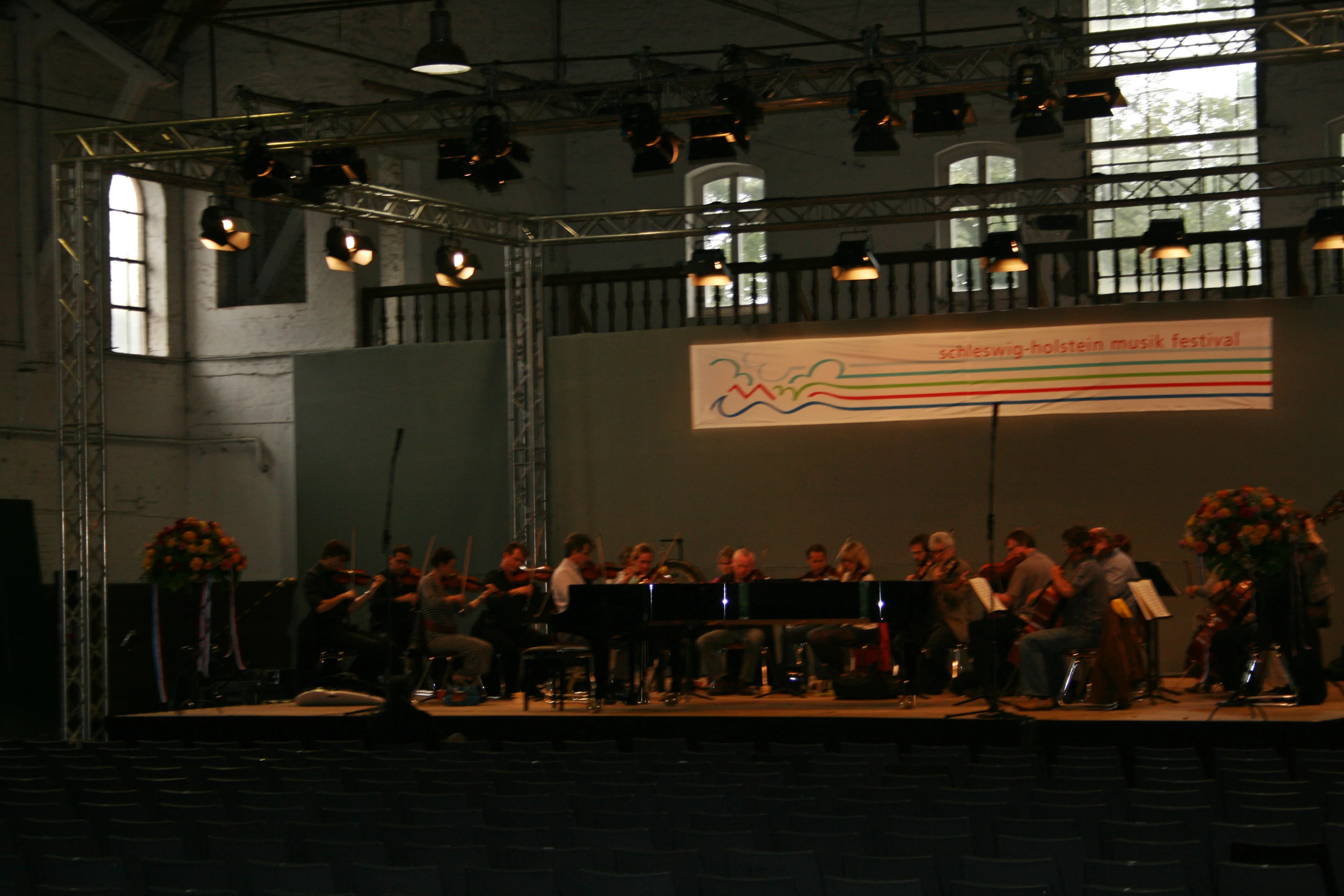
Image from Wikipedia
Image from Wikipedia
Academy of St Martin in the Fields – Sound Culture, Precision, and the Art of Chamber Music Dialogue
A chamber orchestra that brings classical music to new brilliance
The Academy of St Martin in the Fields is one of the most influential British chamber orchestras of the post-war era. Founded in 1958 by Sir Neville Marriner from a circle of leading London musicians, the ensemble made its first appearance in November 1959 at St Martin-in-the-Fields church and quickly developed an international presence that continues to this day. The name represents a distinctive sound, stylistic elegance, and a musical career that navigates between Baroque clarity, Viennese Classicism, and modern concert culture. ([asmf.org](https://www.asmf.org/about-us/our-history/?utm_source=openai))
Biography: From the London church space to the world stage
The Academy's early years are closely linked to London’s music scene and the acoustic identity of its founding location. From a small, originally conductor-less formation, it evolved into an ensemble characterized by a collegial working style, flexibility, and extraordinary stylistic discipline. This fundamental attitude remained a hallmark, even as the orchestra made its way into the great concert halls and festivals around the world. ([asmf.org](https://www.asmf.org/about-us/our-history/?utm_source=openai))
The historical role of the orchestra goes far beyond mere repertoire maintenance. ASMF is associated with an aesthetic that intertwines historical transparency, rhythmic precision, and a melodic line. Particularly in Baroque music and the Viennese Classic, the ensemble established itself as a reference point, without sacrificing the warm, modern string sound upon which its profile still relies today. ([de.wikipedia.org](https://de.wikipedia.org/wiki/Academy_of_St_Martin_in_the_Fields?utm_source=openai))
Career: Recordings, international reputation, and musical authority
The big breakthrough occurred not only on stage but also in the studio. The Academy quickly gained an international reputation through its extensive recording history, ranging from early bestsellers like Vivaldi’s Four Seasons to the film score for Amadeus. The official history of the ensemble highlights its first recording from 1961 as well as the development of a catalog of over 500 albums. ([asmf.org](https://www.asmf.org/about-us/our-history/?utm_source=openai))
This repertoire and recording profile made ASMF one of the most recorded orchestras in the world. Its musical authority derives from a blend of stylistic security, clear ensemble culture, and the ability to integrate great soloists into a chamber music-inspired sound language. On its website, the orchestra describes its current work as a connection of “creative freedom” and inspiring live formats that deliberately expand contact with the audience. ([asmf.org](https://www.asmf.org/about-the-academy/?utm_source=openai))
Important milestones and shaping partnerships
A significant turning point was the expansion of the artistic structure through the Chamber Ensemble, founded in 1967 to realize larger chamber music works in a rehearsed setting. Equally important was the choir symphonic work: The Academy of St Martin in the Fields Choir was founded in 1974 under Laszlo Heltay, opening up additional avenues of expression for the ensemble between oratorio, mass, and large-format vocal music. These expansions showcase how the orchestra evolved from a small string formation into a versatile sound institution. ([asmf.org](https://www.asmf.org/about-us/our-history/?utm_source=openai))
In the present day, long-term artistic partnerships shape the profile. Joshua Bell serves as Music Director, Tomo Keller as Director/Leader, and Murray Perahia as Principal Artist; the official representation also emphasizes a 15-year collaboration with Joshua Bell. Additionally, 2024 and 2025 will highlight anniversary activities for Sir Neville Marriner, new tour plans, and additional concert projects, including programs with European and US stops, as well as the continuation of an active concert season in London and beyond. ([asmf.org](https://www.asmf.org/about-the-academy/?utm_source=openai))
Discography: From classics to a living archive
The Academy's discography is central to its mythological weight. Among its most cited recordings are Vivaldi’s Four Seasons, the Amadeus soundtrack project, and extensive Haydn recordings under Sir Neville Marriner, celebrated in a box set of 33 symphonies. The official recording page also documents an ongoing release practice with new productions, podcasts, and concert recordings that continuously expand the orchestra's archive. ([asmf.org](https://www.asmf.org/about-us/our/history/?utm_source=openai))
The Academy has been repeatedly praised for its “polished and refined sound”; this blend of brilliance, discipline, and buoyant lightness forms the hallmark of its repertoire. The reception in the music press regularly highlights how the ensemble creates a new balance between historical awareness and modern sound consciousness even in familiar works. Hence, a discography is created that not only appeals to collectors but also has significantly contributed to the stylistic history of classical music in the 20th and 21st centuries. ([asmf.org](https://www.asmf.org/about-us/our/history/?utm_source=openai))
Style: Precision, transparency, and chamber music energy
Stylistically, ASMF represents a sound that prioritizes clarity over mere mass. The modern instrumentation gives the ensemble stability, while the chamber music organization ensures clarity and articulatory sharpness. Particularly in Mozart, Haydn, Bach, and Vivaldi, this leads to interpretations that are neither academic nor decorative, but lively, elastic, and rhythmically awake. ([de.wikipedia.org](https://de.wikipedia.org/wiki/Academy_of_St_Martin_in_the_Fields?utm_source=openai))
Contemporary artistic development continues this approach while expanding it through project-related formats, digital productions, and programmatic openness. The orchestra refers to its work as “fresh, brilliant interpretations” and employs a player-led working method that establishes a direct connection with the audience. Thus, ASMF remains an ensemble that does not conserve tradition but understands it as a dynamic practice. ([asmf.org](https://www.asmf.org/about-the-academy/?utm_source=openai))
Cultural influence: A British flagship with a social mission
Academy of St Martin in the Fields is not only a musical body but also a cultural statement. The orchestra explicitly emphasizes its social mission today: music should empower people, promote education and participation, and extend beyond the concert hall. This includes projects with individuals affected by homelessness as well as educational and community formats that translate the reach of classical music into the present. ([asmf.org](https://www.asmf.org/about-the-academy/?utm_source=openai))
The anniversary work around “Marriner100” also illustrates how vivaciously the historical legacy is maintained. Concerts, new works, and reflections on the founding figure Sir Neville Marriner connect memory culture with current programming. Thus, the ensemble remains a cultural reference point for classical music fans who seek not only outstanding interpretations but also a narrative of continuity, change, and artistic responsibility. ([asmf.org](https://www.asmf.org/wp-content/uploads/2023/05/Marinner100-Press-Release.pdf?utm_source=openai))
Current projects and releases
The present activities of the Academy are characterized by international engagement. The official website lists concerts for 2025/26, including performances with Arthur and Lucas Jussen, the “Hidden Notes” series, a US tour program for the Wind Ensemble, and a concert for Sally Beamish's 70th birthday with Michael Collins. Alongside this, the recording page documents new releases such as recordings, composer portraits, and current album projects, including productions from 2024 and 2025. ([asmf.org](https://www.asmf.org/?utm_source=openai))
This density of projects illustrates an institution that does not museum-manage its past but productively transforms it into new formats. The Academy remains an active force in the European classical music scene, in the concert hall as well as in recording projects and digital presentations. ([asmf.org](https://www.asmf.org/?utm_source=openai))
Conclusion: Why the Academy of St Martin in the Fields continues to fascinate today
The Academy of St Martin in the Fields captivates because it combines classical music with attitude, elegance, and unbroken relevance. Its distinctive sound, extensive recording history, and the ability to invigorate great masterpieces with chamber music intelligence make the ensemble a lasting beacon of brilliance. Experiencing ASMF live means encountering not just an orchestra but a musical idea that has set standards for decades. ([asmf.org](https://www.asmf.org/about-us/our/history/?utm_source=openai))
Particularly on stage, this blend of precision, joy in playing, and collegial tension is most vividly expressed. A concert by the Academy of St Martin in the Fields is worthwhile whenever one wishes to hear classical music not as a monument but as a living art form. ([asmf.org](https://www.asmf.org/?utm_source=openai))
Official channels of Academy of St Martin in the Fields:
- Instagram: no official profile found
- Facebook: no official profile found
- YouTube: no official profile found
- Spotify: no official profile found
- TikTok: no official profile found
Sources:
- Academy of St Martin in the Fields – Official Website
- Academy of St Martin in the Fields – Our History
- Academy of St Martin in the Fields – About Us
- Academy of St Martin in the Fields – Recordings
- ASMF – Marriner 100 Press Release
- ASMF – Fundraising Brochure / Fact Sheet
- The Guardian – Review, 2012
- The Guardian – Review, 2016
- Wikipedia: Image and text source
Upcoming Events
Academy of St Martin in the Fields live in Munich - Isarphilharmonie Concert 2026